5052 Laminação a quente de círculo de alumínio: Como bloquear com precisão o “Janela de temperatura dourada”?
Na área de processamento de alumínio, 5052 liga de alumínio, com sua excelente resistência à corrosão, força média, e boa conformabilidade, é um material de base popular para produtos como tampas de latas, peças automotivas, e caixas eletrônicas. No entanto, a qualidade de um círculo de alumínio laminado a quente, transição de um lingote para uma folha com estrutura uniforme e propriedades qualificadas, é amplamente determinado durante o processo de laminação a quente. Entre os fatores, controle preciso da janela de temperatura de laminação a quenteé a linha de vida do processo principal que conecta a estrutura fundida às propriedades finais desejadas.
Este artigo analisará sistematicamente a lógica de determinação, faixas operacionais práticas, e pontos de controle para os dois limites principais na laminação a quente de 5052 círculos de alumínio: o temperatura de início de laminaçãoe o temperatura de laminação final, fornecendo a você um guia operacional claro.
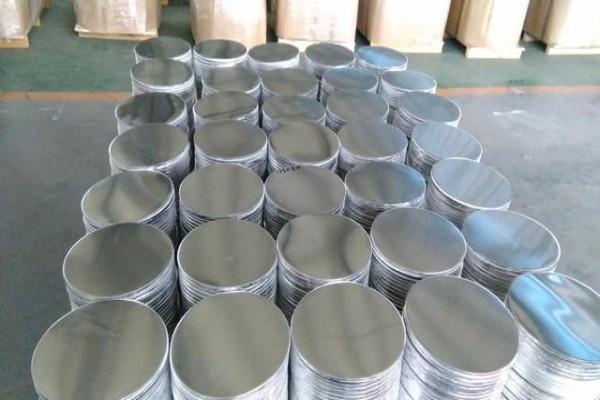 Folhas de alumínio laminadas a quente extra grossas
1. Compreendendo o básico: Por que a janela de temperatura é tão crítica?
5052 pertence à série Al-Mg de ligas de reforço não tratáveis termicamente. Suas propriedades são alcançadas principalmente através do fortalecimento da solução sólida e subsequente endurecimento por trabalho. O objetivo principal da laminação a quente não é apenas “deformação” mas “recreação”:
- Quebrando a estrutura do elenco: Eliminando dendritos grosseiros e segregação de composição.
- Induzindo recristalização completa: Obtenção de uniforme, grãos equiaxiais finos através de deformação a quente e recristalização dinâmica.
- Estabelecendo as bases para o processamento subsequente: Fornecendo um espaço em branco (boleto) com boa plasticidade e estrutura uniforme, facilitando a laminação a frio posterior com altas taxas de redução ou estampagem profunda.
Determinar a janela de temperatura consiste precisamente em encontrar o equilíbrio ideal entre “evitando superaquecimento” e “promovendo a recristalização,” e entre “reduzindo a resistência à deformação” e “evitando o engrossamento dos grãos.”
2. Controle do ponto inicial: Como determinar a temperatura inicial de laminação?
A temperatura inicial de laminação é a temperatura do lingote após o tratamento de homogeneização quando ele entra no primeiro passe de laminação. Determina se a laminação a quente pode começar sem problemas e a qualidade da estrutura inicial.
Base Básica para Determinação:
- Restrições do Diagrama de Fase: A linha solidus de 5052 é de aproximadamente 607°C. Deve ser mantido bem abaixo desta temperatura para evitar superaquecimento. Também precisa evitar a faixa de fusão das fases eutéticas de baixo ponto de fusão (por exemplo, Al₃Mg₂).
- Requisito de homogeneização: O lingote deve primeiro ser totalmente homogeneizado a 500–540°C para dissolver fases solúveis e alcançar uniformidade de composição. A temperatura inicial de laminação deve se conectar com esta, garantindo que o efeito de homogeneização não seja perdido devido ao resfriamento.
Pré-Tratamento: Parâmetros do Processo de Homogeneização
A homogeneização é um processo de pré-tratamento indispensável antes da laminação a quente. Seus parâmetros afetam diretamente a viabilidade de início da laminação e a qualidade da estrutura inicial.
Mesa 1: Parâmetros de referência do processo de homogeneização para 5052 Lingote de liga de alumínio
| Estado da Liga |
Espessura do Lingote |
Temperatura de homogeneização recomendada. |
Tempo de imersão |
Objetivo Primário |
| 5052-H112 |
≤400 mm |
500 – 520°C |
8 – 12 horas |
Elimine a segregação intracristalina, dissolver fases solúveis como Mg₂Si |
| 5052-H112 |
>400milímetros |
520 – 540°C |
12 – 24 horas |
Garanta uma homogeneização completa no núcleo de lingotes grossos |
| Chave do Processo |
/ |
Taxa de aquecimento: ≤80°C/h |
Taxa de resfriamento: ≤30°C/h a 300°C |
Evitar rachaduras por estresse térmico, evitar precipitação de fases grosseiras |
Janela recomendada e pontos práticos:
- Faixa de temperatura: 500–540ºC. Geralmente, 510–530ºCé preferido.
- Refinamento de cenário:
- Produtos de calibre fino (≤3 mm): Pode usar o limite inferior (~500°C), propício à obtenção de grãos mais finos para posterior usinagem de precisão.
- Produtos de calibre grosso (>3milímetros): Pode usar o limite médio a superior (520–540ºC), utilizando maior plasticidade para reduzir a resistência à deformação nos passes iniciais.
- Controle de chave:
- O aquecimento deve ser uniforme; a diferença de temperatura na seção transversal do lingote deve ser ≤ ±5°C.
- Priorize o uso de pirômetros sem contato (por exemplo, infravermelho) para monitoramento da temperatura da superfície em tempo real, substituindo termopares de contato que possuem maior atraso.
 Detalhes da folha de alumínio
3. Controle de ponto final: Como determinar a temperatura de laminação final?
A temperatura de laminação de acabamento é a temperatura do material no final da laminação a quente. Determina diretamente a microestrutura e as propriedades iniciais do produto final e é o prioridade máximaDe controle de janela de temperatura.
Base Básica para Determinação:
- Lei de Recristalização: Deve estar acima da temperatura de recristalização completa da liga (~330°C para 5052) para garantir que a estrutura deformada seja substituída por nova, grãos equiaxiais sem tensão.
- Restrição de tamanho de grão: Temperatura excessivamente alta (>380°C) leva ao crescimento anormal de grãos (engrossar) após recristalização, prejudicando as propriedades mecânicas e a qualidade da superfície.
Aplicação recomendada de janela e cenário:
- Janela Geral de Segurança: 330–350ºC. Dentro deste intervalo, um equilíbrio entre a recristalização completa e o tamanho de grão apropriado geralmente pode ser alcançado.
| Tipo de produto / Especificação |
Temperatura recomendada de laminação de acabamento. |
Consideração Básica |
| Círculos de calibre fino (≤3 mm) |
330–340ºC |
Suprimir o engrossamento dos grãos, garantir o acabamento da superfície para posterior laminação a frio ou estampagem (por exemplo, folha de bateria, estoque de tampa de alta qualidade). |
| Círculos grossos (>3milímetros) |
340–350ºC |
Garanta a recristalização completa também no núcleo, e equilibrar a eficiência de rolamento para reduzir a carga. |
| Peças com altos requisitos de conformabilidade |
335–345ºC |
Alcance o melhor equilíbrio entre uniformidade estrutural e plasticidade, reduzindo o risco de rachaduras na estampagem profunda subsequente. |
Controle de chave:
- Ajuste Dinâmico: Controle com precisão a temperatura de laminação de acabamento ajustando a velocidade de laminação e a intensidade de resfriamento da emulsão. O aumento da velocidade de ~10% leva a um aumento de temperatura de ~5-10°C.
- Monitoramento preciso: Na saída do passe final, um pirômetro de alta resposta deve ser usado para monitorar, com desvio controlado dentro ±5°C.
4. Mapa prático de controle de temperatura de processo completo
Conhecer as temperaturas inicial e final não é suficiente; flutuações de temperatura ao longo de todo o processo devem ser “rastreados em tempo real e gerenciados dinamicamente.” O diagrama abaixo revela o caminho típico de evolução da temperatura e os principais nós de controle durante a laminação a quente:
Interpretação dos principais pontos de controle:
- Estágio de desbaste: A temperatura cai naturalmente desde o ponto inicial. No entanto, através de métodos como pré-aquecimento de rolo, deve ser assegurado que quando laminado para uma espessura intermediária (por exemplo, 20milímetros), a temperatura não é inferior a 400°C para evitar um aumento acentuado na resistência à deformação.
- Etapa de acabamento: A temperatura do material é controlada com precisão na janela de temperatura alvo de laminação através do “liga-desliga” e regulação de fluxo do spray de emulsão. Esta é uma função central dos modernos sistemas de controle automático de laminadores.
- Tratamento de exceções: Como mostrado no gráfico, uma vez que a temperatura se desvia da janela, deve haver medidas corretivas claras. Muito baixo requer fornalha “remédio,” muito alto requer resfriamento de emergência para evitar defeitos estruturais do lote.
5. Equipamento e Verificação: Suporte para implementação de janela
- Suporte de Equipamento: As modernas linhas de laminação a quente devem ser equipadas com multiponto, sistemas de medição de temperatura por infravermelho sem contato, ligados em circuito fechado com velocidade do moinho e sistemas de resfriamento para controle. Os rolos precisam de canais de resfriamento internos para evitar o aquecimento local do material devido ao superaquecimento dos próprios rolos.
- Verificação de desempenho: Bobinas laminadas a quente produzidas dentro da janela de temperatura correta (por exemplo, começar 520°C, terminar 340°C) deveria ter uniforme, estrutura de grão recristalizado equiaxial. Após subsequente laminação a frio e recozimento (O-temperamento), propriedades mecânicas típicas devem atingir de forma estável: Resistência à tracção (Rm) ≥175 MPa, Força de rendimento (Rp0.2) ≥65 MPa, Alongamento (UM) ≥32%. Esta é a referência definitiva para testar se a janela de temperatura é razoável.
6. Conclusão
Determinação da janela de temperatura de laminação a quente para 5052 círculos de alumínio são essencialmente um projeto de processo preciso que segue os princípios da ciência dos materiais:
- Temperatura inicial de laminação (510–530ºC)é o ponto de partida para segurança e plasticidade, necessidade de levar adiante o efeito de homogeneização.
- Temperatura de laminação final (330–350ºC)é o ponto final para estrutura e propriedades, e deve garantir a recristalização completa.
Esse “janela dourada” não é um valor fixo e requer ajuste fino com base no uso final do produto, espessura de especificação, e capacidade do equipamento. A chave do sucesso está em transformar a temperatura “ponto de ajuste” em um “valor medido estável” na linha de produção, que depende da detecção precisa, resposta rápida, e controle automático de circuito fechado. Só assim as excelentes qualidades inerentes ao 5052 liga de alumínio seja perfeitamente ativada e passada através do processo de laminação a quente.

