แผ่นอลูมิเนียมคอมโพสิตสำหรับเครื่องครัว: การออกแบบกระบวนการกลิ้งและการตรวจสอบประสิทธิภาพเพื่อขจัดฟองอากาศและการหลุดร่อนระหว่างชั้น
1. การแนะนำ
แผ่นอลูมิเนียมคอมโพสิตสำหรับเครื่องครัว เป็นสารตั้งต้นหลักสำหรับเครื่องครัวระดับไฮเอนด์ (เช่น, กระทะทอดแบบไม่ติด, หม้อซุปบุสแตนเลส, และกระทะที่เข้ากันได้กับการเหนี่ยวนำ), ต้องมีการแสดงหลักที่ไม่สามารถต่อรองได้สามครั้งเพื่อตอบสนองความต้องการในการทำอาหารในแต่ละวัน:
- ความสม่ำเสมอของการนำความร้อน: ความเบี่ยงเบนของอุณหภูมิบนพื้นผิวของแผ่นดิสก์จะต้องอยู่ที่ ≤5% เพื่อหลีกเลี่ยงความร้อนสูงเกินไปในท้องถิ่น (เช่น, ขอบไข่ไหม้ในกระทะ) — สิ่งนี้สำเร็จได้ผ่านทางภายนอก 3003 โลหะผสม, ซึ่งมีค่าการนำความร้อน 200W/(ม·เค), 30% สูงกว่าอลูมิเนียมบริสุทธิ์;
- ความแข็งแรงของโครงสร้าง: ความแข็งแรงของผลผลิต≥180MPa เพื่อต้านทานการเสียรูประหว่างการปั๊ม (เช่น, กลายเป็นหม้อซุปลึก 10 ซม) และการใช้งานระยะยาว-ตรงกลาง 5052 โลหะผสม (ซีรีส์อัลเอ็มจี) ให้ความแข็งแกร่งนี้, ที่มีเนื้อหา Mg ของ 2.5% เพิ่มความต้านทานการกัดกร่อน (สำคัญสำหรับอาหารที่เป็นกรดเช่นมะเขือเทศ);
- ทนต่อแรงกระแทกจากความร้อน: ไม่แตกร้าวหลัง 20+ รอบระหว่าง -20 ℃ (การจัดเก็บในตู้เย็น) และ 260 ℃ (การอบเตาอบ) — ข้อกำหนดสำคัญสำหรับเครื่องครัวที่ต้องเปลี่ยนระหว่างห้องเย็นและระบบทำความร้อนบนเตาตั้งพื้น.
โครงสร้างคอมโพสิตทั่วไปคือ 3003/5052/3003, มีเส้นผ่านศูนย์กลางตั้งแต่ 100 มม (กระทะขนาดเล็ก) ถึง 300 มม (กระทะขนาดใหญ่) และความหนารวม 3-8 มม (หนาขึ้นสำหรับหม้อซุป, ทินเนอร์สำหรับกระทะทอด).
คอขวดด้านคุณภาพที่สำคัญคือ ข้อบกพร่องระหว่างชั้น: ฟองอากาศที่มีเส้นผ่านศูนย์กลาง ≥0.5 มม. ทำให้เกิดความร้อนไม่สม่ำเสมอ (ความแตกต่างของอุณหภูมิสูงถึง 50 ℃), ในขณะที่การแยกชั้นจะทำให้เครื่องครัวเสียรูปหรือแม้กระทั่งการหลุดของสารเคลือบกันติด. ตาม 2024 ข้อมูลจากสมาคมเครื่องครัวจีน, 32% ของเศษแผ่นอลูมิเนียมคอมโพสิตเกิดจากปัญหาระหว่างชั้น, โดยมีการสูญเสียชุดเดียวโดยเฉลี่ย ≥800,000 หยวน (เช่น, จานรองกระทะขนาด 24 ซม. จำนวน 5,000 ชิ้นเนื่องจากฟองอากาศ).
กระบวนการรีดแบบดั้งเดิมไม่สามารถแก้ไขข้อบกพร่องเหล่านี้ได้เนื่องจากพารามิเตอร์ไม่ตรงกัน (เช่น, อุณหภูมิไม่เพียงพอสำหรับการแพร่กระจายของอะตอม, แรงดันไม่สม่ำเสมอออกจากช่องอากาศ). ดังนั้น, การควบคุมอุณหภูมิการหมุนที่ทำงานร่วมกันได้อย่างแม่นยำ, ความดัน, และอัตราการลดลงเป็นสิ่งสำคัญเพื่อให้บรรลุผล “ไม่มีฟองอากาศและการแยกชั้นเป็นศูนย์”.

2. สาเหตุของข้อบกพร่อง Interlayer
ข้อบกพร่องระหว่างชั้นเกิดขึ้นจากผลรวมของคุณสมบัติโดยธรรมชาติของวัสดุและความผันผวนของกระบวนการ, โดยมีกลไกที่ชัดเจนของแต่ละฝ่าย:
(1) อุปสรรคที่เกี่ยวข้องกับวัสดุ
ที่ 3003 และ 5052 อัลลอยด์ในแผ่นคอมโพสิตมีความแตกต่างทางคุณสมบัติโดยธรรมชาติซึ่งเป็นอุปสรรคต่อการประสานส่วนต่อประสาน, ตามรายละเอียดในตารางด้านล่าง:
| คุณสมบัติของโลหะผสม |
3003 อัลลอย (ชั้นนอก) |
5052 อัลลอย (ชั้นกลาง) |
ผลกระทบต่อการเชื่อมต่อส่วนต่อประสาน |
| ค่าสัมประสิทธิ์การแพร่ของอะตอม |
1.2×10⁻¹⁴m²/วินาที (สำหรับอะตอม Mn ที่อุณหภูมิ 500°C) |
3.5×10⁻¹³m²/วินาที (สำหรับอะตอม Mg ที่อุณหภูมิ 500 ℃) |
Mg แพร่กระจายเร็วกว่า Mn ถึง 29 เท่า, สร้างความไม่สม่ำเสมอ “ชั้นการแพร่กระจาย” ที่ส่วนต่อประสาน — กำลังลดความแข็งแรงของพันธะลง <10MPa (มีคุณสมบัติ≥15MPa). |
| ความหนาของชั้นออกไซด์ |
2-5นาโนเมตร (ให้Al₂O₃, จุดหลอมเหลว 2,050 ℃) |
2-5นาโนเมตร (ให้Al₂O₃, จุดหลอมเหลว 2,050 ℃) |
ชั้นออกไซด์ทำหน้าที่เป็นเกราะป้องกัน, ป้องกันการเกาะติดระหว่างโลหะกับโลหะโดยตรง; แม้แรงดันสูงก็ไม่สามารถทำลายมันได้, ทิ้งช่องว่างขนาดเล็กที่กลายเป็นฟองอากาศ. |
| ค่าสัมประสิทธิ์การขยายตัวทางความร้อน |
23.2×10⁻⁶/℃ (25-300℃) |
23.8×10⁻⁶/℃ (25-300℃) |
ความแตกต่าง 0.6×10⁻⁶/℃ ทำให้เกิดความเครียดจากความร้อนระหว่างการให้ความร้อน/ความเย็น — เช่น, การระบายความร้อนจาก 400°C ถึง 25°C ทำให้เกิดความเครียด 80MPa, นำไปสู่การหลุดร่อนตามกาลเวลา. |
(2) ข้อบกพร่องที่เกี่ยวข้องกับกระบวนการ
ถึงแม้จะใช้วัสดุที่เข้ากันดีก็ตาม, พารามิเตอร์การกลิ้งที่ไม่เหมาะสมทำให้เกิดข้อบกพร่องโดยตรง:
-
- ต่ำกว่า 380 ℃: พลังงานจลน์ของอะตอมต่ำเกินไป — มีอะตอมเป็น Mg 5052 สามารถกระจายได้เพียง0.1-0.2μm, ไม่สามารถข้ามชั้นออกไซด์ได้. ใบนี้ “ช่องว่างการติดต่อทางกายภาพ” (5-10ไมโครเมตร) ระหว่างชั้น, ซึ่งดักจับอากาศและสร้างฟองอากาศ.
-
- สูงกว่า 500 ℃: มินอิน 3003 ตกตะกอนเป็นอนุภาคแข็ง Al₆Mn (1-3ไมโครเมตร), ซึ่งเป็นรอยขีดข่วน 5052 ชั้นระหว่างการรีด. อุณหภูมิสูงเร่งการเกิดออกซิเดชัน, ทำให้ชั้นAl₂O₃หนาขึ้น >10นาโนเมตร, พันธะที่แย่ลง.
-
- ต่ำกว่า 10MPa: มีแรงไม่เพียงพอที่จะขับไล่อากาศระหว่างชั้น (ความหนาเริ่มต้น5-10μm). อากาศอัดจะเกิดฟอง (0.3-1เส้นผ่านศูนย์กลางมม), และพื้นที่ติดต่อของอินเทอร์เฟซเท่านั้น 60-70%, นำไปสู่ความผูกพันที่อ่อนแอ.
-
- การเบี่ยงเบนความดัน >5MPa: เนื่องจากความเค้นม้วนไม่สม่ำเสมอ, ขอบแผ่นดิสก์ (แรงดันสูง) โลหะล้น, ในขณะที่เป็นศูนย์กลาง (ความดันต่ำ) กักเก็บอากาศไว้ — ซึ่งเป็นข้อบกพร่องทั่วไปในแผ่นดิสก์ที่มีเส้นผ่านศูนย์กลางขนาดใหญ่ (≥250มม).
- อัตราการลดที่ไม่สมเหตุสมผล:
-
- อัตราการลดทั้งหมด <40%: การเสียรูปของโลหะไม่เพียงพอที่จะทำให้ความผิดปกติของส่วนเชื่อมต่อเรียบขึ้น (3-5ไมโครเมตร), ทิ้งฟองขนาดเล็กที่ขยายตัวระหว่างการทำความร้อนเครื่องครัว.
-
- อัตราการลดรอบเดียว >30%: โลหะไหลเร็วเกินไป (>100มิลลิเมตร/วินาที), กักอากาศเข้าสู่ส่วนต่อประสาน. ความเครียดจากการเสียรูปมากเกินไปก็สร้างเช่นกัน “รอยแตกร้าว” (1-2ไมโครเมตร) ระหว่างชั้น, ซึ่งพัฒนาไปสู่การหลุดร่อนหลังจากเย็นตัวลง.
3. กลยุทธ์การควบคุมการทำงานร่วมกัน
เพื่อแก้ไขสาเหตุข้างต้น, มีการพัฒนากลยุทธ์การทำงานร่วมกันเพื่อ 3003/5052/3003 แผ่นคอมโพสิต (ระยะ φ200มม, ตัวอย่างความหนาเป้าหมาย 6 มม), มุ่งเน้นไปที่ “อุณหภูมิเป็นรากฐาน, ความกดดันเป็นกุญแจสำคัญ, และอัตราการลดเป็นหลักประกัน”.
(3.1) คุณสมบัติของวัสดุสำหรับการอ้างอิง
การทำความเข้าใจฟังก์ชันเฉพาะเลเยอร์และข้อกำหนดจะเป็นแนวทางในการออกแบบพารามิเตอร์:
| ชั้นคอมโพสิต |
ฟังก์ชั่นหลัก |
อัตราส่วนความหนา (ของความหนารวม) |
ข้อกำหนดทางเทคนิคที่สำคัญ |
เหตุผลสำหรับความต้องการ |
| 3003 (ภายนอก) |
การนำความร้อน, ความสามารถในการขึ้นรูปพื้นผิว |
25%-35% (เช่น, 1.5-2.1มม. ในแผ่นดิสก์ขนาด 6 มม) |
การยืดตัว ≥20%, ไม่มีการตกตะกอนของเฟสเปราะ |
การยืดตัวสูงทำให้ไม่เกิดการแตกร้าวระหว่างการปั๊ม; ไม่มีเฟสเปราะรักษาความสม่ำเสมอของการนำความร้อน. |
| 5052 (กลาง) |
ความแข็งแรงของโครงสร้าง, ความต้านทานการกัดกร่อน |
30%-50% (เช่น, 1.8-3.0มม. ในแผ่นดิสก์ขนาด 6 มม) |
ความแข็งแรงของผลผลิต≥190MPa, เนื้อหามก 2.2%-2.8% |
ความแข็งแรงของผลผลิตสูงต้านทานการเสียรูปของเครื่องครัว; ปริมาณ Mg ที่ควบคุมจะรักษาความสมดุลของความแข็งแรงและการขึ้นรูป. |
(3.2) พารามิเตอร์การกลิ้งแกน (3003/5052/3003, φ200มม, เป้าหนา 6 มม)
พารามิเตอร์แบ่งออกเป็นสามขั้นตอนเพื่อให้ตรงกับกระบวนการติด:
| ขั้นตอนกระบวนการ |
ช่วงอุณหภูมิ (℃) |
ความดัน (MPa) |
อัตราการลดทั้งหมด (%) |
มาตรการควบคุมที่สำคัญ |
เหตุผลในการเลือกพารามิเตอร์ |
| อุ่นเครื่อง |
420-450 |
– |
– |
กดค้างไว้ 30-40 นาที (ปรับตามความหนา: +5ต่ำสุดต่อ 1 มม), ความผันผวนของอุณหภูมิ ≤±5℃ (ตรวจสอบโดยเทอร์โมมิเตอร์อินฟราเรด). |
420-450℃ เพิ่มการแพร่กระจาย Mg สูงสุด (2.0×10⁻¹³m²/วินาที) เพื่อเจาะชั้นออกไซด์, ในขณะที่หลีกเลี่ยงการตกตะกอนของ Mn ใน 3003. |
| การกลิ้งหยาบ |
400-430 |
15-20 |
48.6 (ตั้งแต่ 8 มม. ถึง 4.0 มม) |
การชดเชยความร้อนจากการเหนี่ยวนำ (5-8℃/นาที) เมื่ออุณหภูมิลดลงต่ำกว่า 390°C; ความเร็วม้วน 30-40 ม./นาที. |
อุณหภูมิต่ำกว่าการอุ่นจะช่วยลดการเกิดออกซิเดชัน; 15-20MPa ไล่ออก 90% ของอากาศระหว่างชั้น; ความเร็วช้าช่วยให้มั่นใจได้ถึงการเสียรูปสม่ำเสมอ. |
| เสร็จสิ้นการกลิ้ง |
380-400 |
18-20 |
50 (จาก 4.0 มม. ถึง 2.0 มม. สำหรับแผ่นดิสก์แบบบาง, ปรับสำหรับเป้าหมาย 6 มม) |
ส่วนเบี่ยงเบนความดัน ≤2MPa (ตรวจสอบผ่านอาร์เรย์เซ็นเซอร์ 10×10 มม); ความเร็วม้วน 50-60 ม./นาที. |
380-400℃ ยับยั้งการเจริญเติบโตของเมล็ดข้าว (รับประกันความเรียบ); แรงดันคงที่ช่วยขจัดอากาศที่ตกค้าง; ความเร็วที่เร็วขึ้นช่วยลดการเกิดออกซิเดชันของอินเทอร์เฟซ. |
(3.3) การจัดสรรอัตราการลดรอบเดียว
ตารางการกลิ้ง 5 รอบทำให้การเสียรูปและการยึดเกาะสมดุล, หลีกเลี่ยงความเครียดมากเกินไป:
| หมายเลขผ่าน |
ความหนาเริ่มต้น (มม) |
ความหนาของเป้าหมาย (มม) |
อัตราการลดการส่งผ่านครั้งเดียว (%) |
ความเร็วการหมุน (ม/ของฉัน) |
ฟังก์ชั่นหลัก |
มุ่งเน้นการควบคุมคุณภาพ |
| 1 (ขรุขระ) |
8.0 |
5.6 |
30.0 |
30 |
การขับไล่ทางอากาศเบื้องต้น (ลบ 60% ของอากาศระหว่างชั้น), การเชื่อมส่วนต่อประสานเริ่มต้น. |
ประสานความดันที่เพิ่มขึ้นกับการลดลง (2MPa/นาที) เพื่อหลีกเลี่ยงไม่ให้อากาศเข้าไป. |
| 2 (ขรุขระ) |
5.6 |
4.0 |
28.6 |
35 |
เพิ่มพื้นที่สัมผัสอินเทอร์เฟซ (ถึง 85%), ส่งเสริมการแพร่กระจายของอะตอมข้ามชั้น. |
รักษาอุณหภูมิไว้ที่ 420 ± 5 ℃ เพื่อให้แน่ใจว่ามีการแพร่กระจายของ Mg. |
| 3 (กลาง) |
4.0 |
3.0 |
25.0 |
40 |
กำจัดช่องว่างขนาดเล็ก (ลดขนาดช่องว่างเป็น <1ไมโครเมตร), เพิ่มความแข็งแรงในการยึดเกาะ. |
เพิ่มแรงดันเป็น 20MPa, ชดเชยความเครียดที่ขอบ (ความดันขอบ +3MPa). |
| 4 (เสร็จ) |
3.0 |
2.5 |
16.7 |
50 |
ควบคุมความเรียบของแผ่นดิสก์ (ส่วนเบี่ยงเบน ≤0.1มม), ลดความเครียดจากการเสียรูปตกค้าง. |
ลดอุณหภูมิลงเหลือ 400 ℃, หลีกเลี่ยงความร้อนสูงเกินไปที่ขอบ. |
| 5 (เสร็จ) |
2.5 |
2.0 (สำหรับแผ่นดิสก์แบบบาง; ปรับเป็น 6 มม. สำหรับเครื่องครัวหนา) |
20.0 |
60 |
การสร้างรูปร่างขั้นสุดท้าย, รับรองว่าไม่มีฟองอากาศหลงเหลืออยู่ (อัตราฟองสบู่ ≤0.1%). |
รักษาความดันให้คงที่ที่ 18MPa, ตรวจสอบการเชื่อมต่ออินเทอร์เฟซผ่านการทดสอบอัลตราโซนิกแบบเรียลไทม์. |
(3.4) แบบดั้งเดิมกับ. กระบวนการที่ปรับให้เหมาะสม
กระบวนการที่ได้รับการปรับปรุงแก้ไขข้อบกพร่องที่สำคัญในวิธีการแบบดั้งเดิม, ด้วยการลดข้อบกพร่องที่วัดผลได้:
| หมวดหมู่พารามิเตอร์ |
ข้อมูลจำเพาะของกระบวนการแบบดั้งเดิม |
ข้อมูลจำเพาะของกระบวนการที่ปรับให้เหมาะสม |
ผลการลดข้อบกพร่อง |
ทดสอบการสนับสนุนข้อมูล (100-ตัวอย่างแผ่นดิสก์) |
| อุณหภูมิอุ่นเครื่อง |
380-400℃, ค้างไว้ 20 นาที |
420-450℃, ค้างไว้ 30-40 นาที |
ระยะการแพร่กระจายของอะตอมเพิ่มขึ้น 2-3x; อัตราการยึดเกาะที่อ่อนแอลดลงจาก 25% ถึง 1%. |
ความแข็งแรงของพันธะ: 10-12MPa (แบบดั้งเดิม) → 18-20เมกะปาสคาล (ปรับให้เหมาะสม). |
| โหมดควบคุมแรงดัน |
ความดันสม่ำเสมอ (10-15MPa), ไม่มีการชดเชยขอบ |
ความดันโซน (ศูนย์ 15-20MPa, ขอบ +3-5MPa) |
อัตราฟองสบู่ตรงกลางลดลง 95%; ขอบล้นลดลงจาก 18% ถึง 0.5%. |
ฟองตรงกลาง: 8-10 ชิ้น/แผ่นดิสก์ (แบบดั้งเดิม) → 0-1 พีซี/แผ่นดิสก์ (ปรับให้เหมาะสม). |
| อัตราการลดการส่งผ่านครั้งเดียว |
25%-35% (การจัดสรรที่ไม่สม่ำเสมอ) |
16.7%-30% (การจัดสรรการไล่ระดับสี) |
อัตราการแตกร้าวของแรงเฉือนลดลง 90%; อัตราไมโครฟองลดลงจาก 30% ถึง 0.8%. |
รอยแตกร้าว: 12 แผ่นดิสก์ (แบบดั้งเดิม) → 1 แผ่นดิสก์ (ปรับให้เหมาะสม). |
| การรักษาพื้นผิวม้วน |
การบด (รา 0.2-0.3μm), ไม่มีการเคลือบ |
การเจียรเพชร (รา ≤0.1μm) + การเคลือบ CrN (5-8ไมโครเมตร) |
อัตราฟองของการเยื้องลดลง 98%; การสึกหรอของม้วนลดลง 50%. |
ฟองเยื้อง: 5-7 ชิ้น/แผ่นดิสก์ (แบบดั้งเดิม) → 0-0.2 พีซี/แผ่นดิสก์ (ปรับให้เหมาะสม). |

4. การเพิ่มประสิทธิภาพกระบวนการเสริม
พารามิเตอร์หลักเพียงอย่างเดียวไม่เพียงพอ กระบวนการเสริมจะขจัดข้อบกพร่องที่ซ่อนอยู่และทำให้คุณภาพคงที่:
| กระบวนการเสริม |
พารามิเตอร์การดำเนินงานที่สำคัญ |
เหตุผลทางเทคนิค |
ผลกระทบด้านคุณภาพ |
| การล้างไขมัน (ก่อนกลิ้ง) |
สารละลายอัลคาไลน์: NaOH 5%-8%, อุณหภูมิ 60-70 ℃, เวลาในการแช่ 15-20 นาที; ตามด้วยน้ำล้าง (60℃ น้ำบริสุทธิ์) และการอบแห้งด้วยอากาศ. |
NaOH ทำปฏิกิริยากับน้ำมัน (การสะพอนิฟิเคชั่น) เพื่อขจัดสิ่งปนเปื้อนบนพื้นผิว (เช่น, ตัดของเหลวที่ตกค้าง) — น้ำมันปิดกั้นพันธะโลหะและสร้างฟองอากาศ. |
อัตราคราบน้ำมันลดลงจาก 15% ถึง 0.5%; อัตราฟองอากาศระหว่างชั้นลดลง 10%. |
| การขัดเงาทางกล |
1200-กระดาษทรายกรวดอลูมิเนียมออกไซด์, การขัดด้วยมือหรือเชิงกล (ความดัน 0.2-0.3MPa), ขัดลึก5-10μm. |
กำจัดชั้น Al₂O₃ ออกไซด์ดั้งเดิม (2-5นาโนเมตร) และความผิดปกติระดับจุลภาค (3-5ไมโครเมตร) — เผยพื้นผิวโลหะใหม่เพื่อการติดโดยตรง. |
ความหนาของชั้นออกไซด์ลดลงเหลือ <1นาโนเมตร; พื้นที่ติดต่อของอินเทอร์เฟซเพิ่มขึ้นเป็น 95%. |
| การป้องกันก๊าซเฉื่อย |
ความบริสุทธิ์ของอาร์กอน ≥99.99%, เหล็กแท่งขัดเงาเก็บไว้ในกล่องบรรจุอาร์กอน (ความดัน 0.105MPa); เวลาในการถ่ายโอนจากการขัดจนถึงการรีด ≤30นาที. |
ป้องกันการเกิดออกซิเดชันซ้ำของพื้นผิวโลหะใหม่ (อัตราการเกิดออกซิเดชัน <0.1นาโนเมตร/นาทีในอาร์กอนเทียบกับ. 1นาโนเมตร/นาทีในอากาศ). |
ความหนาของชั้นออกซิเดชั่นอีกครั้ง <0.5นาโนเมตร; ความแข็งแรงในการยึดเกาะอยู่ที่ ≥18MPa. |
| การเลือกน้ำมันโรลลิ่ง |
น้ำมันพื้นฐาน: 500น้ำมันแร่ SN; สารเติมแต่ง: 1.0% ไอโซบิวทิลีนที่มีซัลเฟอร์ไรซ์ (ตัวแทนความดันสูง), 0.5% 2,6-ได-เติร์ต-บิวทิล-พี-ครีโซล (สารต้านอนุมูลอิสระ); ความหนืด 8-10cSt (40℃). |
สารรับแรงกดสูงช่วยลดแรงเสียดทานของม้วนฟอยล์ (ค่าสัมประสิทธิ์จาก 0.3 ถึง 0.15); สารต้านอนุมูลอิสระป้องกันการเกิดออกซิเดชันของน้ำมัน (หลีกเลี่ยงการก่อตัวของตะกอน); ความหนืดช่วยให้มั่นใจได้ถึงการหล่อลื่นที่สม่ำเสมอ. |
การสึกหรอของม้วนลดลง 30%; อัตรารอยขีดข่วนบนพื้นผิวลดลงจาก 8% ถึง 0.3%. |
| การหลอมที่อุณหภูมิต่ำ (โพสต์กลิ้ง) |
อุณหภูมิ 280-300℃, เวลาถือครอง 2-3 ชม, การระบายความร้อนของเตา (อัตราการทำความเย็น 5-10°C/ชม); ป้องกันด้วยไนโตรเจน (ความบริสุทธิ์ ≥99.9%). |
บรรเทาความเครียดจากความร้อนที่ตกค้าง (จาก 120MPa ถึง <30MPa); ส่งเสริมการแพร่กระจายของอะตอมเพิ่มเติม (ระยะการแพร่กระจายเพิ่มขึ้นเป็น1.0μm); ทำให้โครงสร้างจุลภาคมีความเสถียร. |
อัตราการหลุดลอกระหว่างการปั๊มเครื่องครัวลดลงจาก 12% ถึง 0.1%; แรงยึดเกาะเพิ่มขึ้นด้วย 20%-30%. |
5. การตรวจสอบประสิทธิภาพ
เพื่อตรวจสอบกระบวนการที่ปรับให้เหมาะสม, ได้ทำการทดสอบอย่างครอบคลุมเมื่อวันที่ 3003/5052/3003 แผ่นคอมโพสิต (φ200มม, ความหนา 6 มม) โดยห้องปฏิบัติการแปรรูปอะลูมิเนียมระดับชาติ:
(5.1) การทดสอบคุณภาพระหว่างชั้น
การทดสอบเป็นไปตาม GB/T 3880.3-2022 (มาตรฐานอลูมิเนียมคอมโพสิตฟอยล์), โดยมีผลลัพธ์ด้านล่าง:
| ดัชนีคุณภาพ |
ก่อนการเพิ่มประสิทธิภาพ (มูลค่าเฉลี่ย) |
หลังจากการเพิ่มประสิทธิภาพ (มูลค่าเฉลี่ย) |
มาตรฐานอุตสาหกรรมเครื่องครัว |
รายละเอียดวิธีทดสอบ |
| อัตราฟองอากาศระหว่างชั้น (%) |
5.2 |
0.08 |
≤0.1 |
เครื่องตรวจจับข้อบกพร่องล้ำเสียง (ความถี่ 5MHz), พื้นที่สแกน 100 ซม.² ต่อแผ่นดิสก์, นับฟองอากาศ ≥0.05มม. |
| เส้นผ่านศูนย์กลางฟองสูงสุด (มม) |
1.2 |
0.2 |
≤0.5 |
กล้องจุลทรรศน์แบบใช้แสง (400กำลังขยาย x) สำหรับการวัดฟอง. |
| ความแข็งแรงของการลอก (MPa) |
12.3 |
19.5 |
≥15 |
เครื่องทดสอบแรงดึงอเนกประสงค์ (แบบอย่าง: อินสตรอน 5969), อัตราแรงดึง 5 มม./นาที, ขนาดตัวอย่าง 25 มม.×100 มม. |
| พื้นที่เชื่อมต่อส่วนต่อประสาน (%) |
75 |
99.5 |
≥95 |
กล้องจุลทรรศน์อิเล็กตรอนแบบสแกน (ที่, แบบอย่าง: ไซส ซิกม่า 300), การวิเคราะห์ภาพของ 5 พื้นที่อินเทอร์เฟซแบบสุ่ม. |
(5.2) การทดสอบประสิทธิภาพเครื่องครัว
แผ่นดิสก์ถูกประกอบขึ้นเป็นกระทะทอดแบบไม่ติดขนาด 24 ซม. และหม้อซุปขนาด 20 ซม. สำหรับการทดสอบประสิทธิภาพในทางปฏิบัติ:
- ความสม่ำเสมอของการนำความร้อน:
-
- เงื่อนไขการทดสอบ: เตาแม่เหล็กไฟฟ้า (2000ว), ความร้อนถึง 200 ℃, 5 จุดทดสอบ (ศูนย์ + 4 ขอบ, 50ห่างกัน มม).
-
- ผลลัพธ์: ความแตกต่างของอุณหภูมิลดลงจาก 45 ℃ (แบบดั้งเดิม) ถึง 12 ℃ (ปรับให้เหมาะสม) — ตรงตาม “ไม่มีการเผาไหม้ในท้องถิ่น” ข้อกำหนดสำหรับกระทะทอด.
- ทนต่อแรงกระแทกจากความร้อน:
-
- เงื่อนไขการทดสอบ: 20 รอบของ -20 ℃ (ตู้แช่แข็ง, 2ชม.) → 260°C (เตาอบ, 30นาที), โอนอย่างรวดเร็ว (≤30วินาที).
-
- ผลลัพธ์: แผ่นดิสก์ที่ปรับให้เหมาะสมไม่มีการหลุดร่อนหรือแตกร้าว; แผ่นแบบดั้งเดิมจะถูกแยกออกในรอบที่ 8 (การแยกขอบ ≥2มม).
-
- เงื่อนไขการทดสอบ: ตอกลงในหม้อซุปลึก 10 ซม (ความดัน 0.5MPa, อุณหภูมิ 180 ℃).
-
- ผลลัพธ์: การขึ้นรูปอัตราคุณสมบัติเพิ่มขึ้นจาก 78% (แบบดั้งเดิม, ข้อบกพร่อง: แคร็ก, การแยกส่วน) ถึง 99% (ปรับให้เหมาะสม, ไม่มีข้อบกพร่อง).

6. กรณีการใช้งานอุตสาหกรรม
องค์กรเครื่องครัวชั้นนำของจีน (ผลผลิตประจำปี: 10 ล้านชุด, ผลิตภัณฑ์หลัก: กระทะไม่ติด) ประสบปัญหาด้านคุณภาพอย่างรุนแรงใน 2023:
- ปัญหา: 8.5% กระทะทอดถูกเรียกคืนเนื่องจากมีฟองอากาศแทรกอยู่ (ข้อร้องเรียนของลูกค้า: “อาหารไหม้ด้านหนึ่ง”); ชุดเดียวของ 5,000 แผ่นขนาด φ24ซม. ถูกทิ้ง, ทำให้ต้องปิดสายการผลิตไป 2 วัน และ 1.2 ขาดทุนล้านหยวน.
- มาตรการเพิ่มประสิทธิภาพ: นำกลยุทธ์การทำงานร่วมกันข้างต้นมาใช้, รวมทั้ง:
-
- ปรับอุณหภูมิอุ่นจาก 390°C เป็น 430°C, ขยายเวลาถือครองเป็น 35 นาที;
-
- การติดตั้งระบบไฮดรอลิกแบบแบ่งโซน (ความดันขอบ +4MPa) เพื่อแก้ฟองตรงกลาง;
-
- ดำเนินการขัดเงา 1200 กรวดและการอบอ่อนที่อุณหภูมิต่ำ (290℃, 2.5ชม.);
-
- การใช้ม้วนเคลือบ CrN (รา 0.08μm) เพื่อลดข้อบกพร่องของการเยื้อง.
-
- อัตราฟองของแผ่นดิสก์คอมโพสิต: 6.8% → 0.05%;
-
- ความแข็งแรงของการลอก: 11.8เมกะปาสคาล → 20.3เมกะปาสคาล;
-
- ข้อร้องเรียนของลูกค้า: 8.5% → <0.3%;
-
- ลดการสูญเสียประจำปี: 8 ล้านหยวน;
-
- การนำความร้อนของกระทะ: เพิ่มขึ้นโดย 15% (ทำความร้อนได้เร็วขึ้น, ประหยัดพลังงาน ~ 10%).

7. ข้อสรุป & แนวโน้ม
(1) ข้อสรุปหลัก
กุญแจสำคัญในการบรรลุ “ไม่มีฟองอากาศและการแยกชั้นเป็นศูนย์” สำหรับ แผ่นอลูมิเนียมคอมโพสิต สำหรับเครื่องครัว อยู่ใน การควบคุมการทำงานร่วมกันของพารามิเตอร์หลักสามประการ (อุณหภูมิ, ความดัน, อัตราการลด) บวกกับกระบวนการเสริม:
- อุณหภูมิ: 420-450℃ อุ่นเครื่อง + 400-430℃ การรีดหยาบ + 380-400℃ กลิ้งเสร็จ - รับประกันการแพร่กระจายของอะตอมที่เพียงพอในขณะที่หลีกเลี่ยงการเกิดออกซิเดชันและการตกตะกอน;
- ความดัน: 15-20ความดันโซน MPa (ขอบ +3-5MPa) — ไล่อากาศระหว่างชั้นออกอย่างสมบูรณ์และรับประกันการสัมผัสที่สม่ำเสมอ;
- อัตราการลด: 50%-60% อัตรารวม + 16.7%-30% การจัดสรรการไล่ระดับแบบ single-pass — ปรับสมดุลการเสียรูปและความเครียด;
- กระบวนการเสริม: การล้างไขมัน + ขัด + การป้องกันก๊าซเฉื่อย + การหลอม — ขจัดข้อบกพร่องที่ซ่อนอยู่และทำให้การยึดเกาะมั่นคง.
การรวมกันนี้ทำให้มีความแข็งแรงในการยึดเกาะ ≥18MPa, อัตราฟองสบู่ ≤0.1%, และตรงตามข้อกำหนดด้านประสิทธิภาพเครื่องครัวทั้งหมด.
(2) ทิศทางการพัฒนาในอนาคต
- การควบคุมพารามิเตอร์อัจฉริยะ:
-
- พัฒนาโมเดลโครงข่ายประสาทเทียมของ BP ที่ป้อนข้อมูลแบบเรียลไทม์ (อุณหภูมิ, ความดัน, ความเร็วม้วน) และส่งออกความน่าจะเป็นของข้อบกพร่อง. เมื่อความน่าจะเป็นเกิน 5%, ระบบจะปรับพารามิเตอร์โดยอัตโนมัติ (เช่น, เพิ่มพลังงานความร้อนจากการเหนี่ยวนำหากอุณหภูมิลดลง, หรือปรับแรงดันไฮดรอลิกหากตรวจพบฟองอากาศผ่านเซ็นเซอร์อัลตราโซนิก). ซึ่งจะช่วยลดการพึ่งพาการดำเนินการด้วยตนเองและปรับปรุงเสถียรภาพของกระบวนการ >99%.
- โครงสร้างคอมโพสิตใหม่:
-
- สำหรับเครื่องครัวที่ใช้งานหนัก (เช่น, หม้อตั้งแคมป์กลางแจ้ง), พัฒนา 3003/6061/3003 แผ่นคอมโพสิต (ชั้นกลาง 6061 โลหะผสม: ความแข็งแรงของผลผลิต≥270MPa). พารามิเตอร์ที่ปรับแต่ง: อุณหภูมิอุ่น 450-480 ℃ (ตรงกับอุณหภูมิการตกผลึกซ้ำของ 6061), แรงดันรีด 20-25MPa (ชดเชยความแข็งแกร่งที่สูงขึ้น), และอัตราการลดรอบเดียว ≤25% (หลีกเลี่ยงการแตกร้าว).
- กระบวนการที่เป็นมิตรกับสิ่งแวดล้อม:
-
- แทนที่การขจัดคราบไขมันแบบอัลคาไลน์แบบดั้งเดิมด้วยการขจัดคราบไขมันแบบน้ำอัลตราโซนิก (ลดการใช้สารเคมีโดย 50%) และพัฒนาน้ำมันกลิ้งที่สามารถรีไซเคิลได้ (อัตราการรีไซเคิล ≥80%) เพื่อให้เป็นไปตามมาตรฐานสิ่งแวดล้อมระดับโลก (เช่น, ฉันเข้าถึง).
การเพิ่มประสิทธิภาพของกระบวนการรีดแผ่นอะลูมิเนียมคอมโพสิตไม่เพียงแต่ปรับปรุงคุณภาพของเครื่องครัวและลดต้นทุน แต่ยังให้ข้อมูลอ้างอิงทางเทคนิคสำหรับวัสดุโลหะคอมโพสิตอื่นๆ (เช่น, อลูมิเนียมทองแดง, อลูมิเนียมเหล็ก), ขับเคลื่อนนวัตกรรมในอุตสาหกรรมแปรรูปโลหะน้ำหนักเบา.
คุณสมบัติของวงกลมอะลูมิเนียม:
วงอลูมิเนียมเหมาะกับหลายตลาด, รวมทั้งเครื่องครัวด้วย, อุตสาหกรรมยานยนต์และแสงสว่าง, ฯลฯ, เนื่องจากมีลักษณะผลิตภัณฑ์ที่ดี:
- แอนไอโซโทรปีต่ำ, ซึ่งเอื้อต่อการวาดลึก
- คุณสมบัติทางกลที่แข็งแกร่ง
- การแพร่กระจายความร้อนสูงและเป็นเนื้อเดียวกัน
- ความสามารถในการเคลือบฟัน, หุ้มด้วย PTFE (หรือคนอื่นๆ), อโนไดซ์
- สะท้อนแสงได้ดี
- อัตราส่วนความแข็งแรงต่อน้ำหนักสูง
- ความทนทานและทนต่อการกัดกร่อน
กระบวนการวงกลมอลูมิเนียม
โลหะผสม Ingot/Master — เตาหลอม – เตาหลอม — ดี.ซี. ลูกล้อ — แผ่นคอนกรีต —- สเกลเปอร์ — โรงงานรีดร้อน - โรงงานรีดเย็น - เจาะ - เตาหลอม — การตรวจสอบขั้นสุดท้าย – การบรรจุ — จัดส่ง
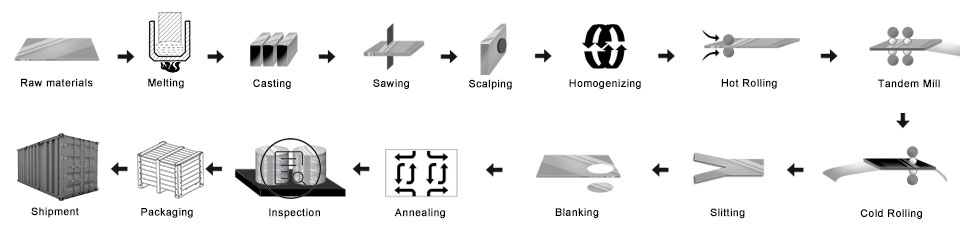
- เตรียมมาสเตอร์อัลลอยด์
- เตาหลอม: ใส่โลหะผสมเข้าไปในเตาหลอม
- อะลูมิเนียมหล่อ ดี.ซี: เพื่อให้แม่ลิ่ม
- บดแท่งอลูมิเนียม: เพื่อให้พื้นผิวและด้านข้างเรียบเนียน
- เตาทำความร้อน
- โรงงานรีดร้อน: ทำแม่คอยล์
- โรงงานรีดเย็น: แม่คอยล์ถูกรีดตามความหนาที่ต้องการซื้อ
- กระบวนการเจาะ: ให้ได้ขนาดตามที่คุณต้องการ
- เตาหลอม: เปลี่ยนอารมณ์
- การตรวจสอบขั้นสุดท้าย
- การบรรจุ: กล่องไม้หรือพาเลทไม้
- จัดส่ง
การควบคุมคุณภาพ
การประกัน การตรวจสอบด้านล่างจะดำเนินการในการผลิต.
- ก. การตรวจจับรังสี—RT;
- ข. การทดสอบอัลตราโซนิก—ยูทาห์;
- ค. การทดสอบอนุภาคแม่เหล็ก-MT;
- ง. การทดสอบการเจาะ-PT;
- จ. การตรวจจับข้อบกพร่องกระแสวน-ET
1) ปราศจากคราบน้ำมัน, บุ๋ม, การรวม, รอยขีดข่วน, คราบ, การเปลี่ยนสีออกไซด์, พัก, การกัดกร่อน, โรลมาร์ก, คราบสกปรก, และข้อบกพร่องอื่นๆ ที่อาจรบกวนการใช้งาน.
2) พื้นผิวไม่มีเส้นสีดำ, ตัดสะอาด, คราบเป็นระยะ, ข้อบกพร่องในการพิมพ์ลูกกลิ้ง, เช่น มาตรฐานการควบคุมภายในของ gko อื่นๆ.
บรรจุแผ่นอลูมิเนียม:
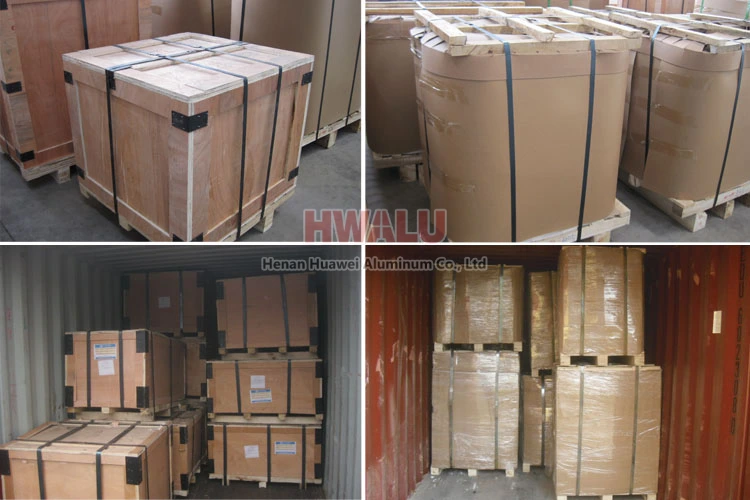
สามารถบรรจุวงกลมอลูมิเนียมได้ตามมาตรฐานส่งออก, หุ้มด้วยกระดาษสีน้ำตาลและฟิล์มพลาสติก. ในที่สุด, อลูมิเนียมกลมได้รับการแก้ไขบนพาเลทไม้/กล่องไม้.
- วางเครื่องอบผ้าไว้ข้างวงกลมอลูมิเนียม, เก็บผลิตภัณฑ์ให้แห้งและสะอาด.
- ใช้กระดาษพลาสติกที่สะอาด, แพ็ควงกลมอลูมิเนียม, ปิดผนึกอย่างดี.
- ใช้กระดาษหนังงู, แพ็คพื้นผิวของกระดาษพลาสติก, ปิดผนึกอย่างดี.
- ต่อไป, มีสองวิธีในการบรรจุ: วิธีหนึ่งคือบรรจุภัณฑ์จากพาเลทไม้, โดยใช้กระดาษที่มีเปลือกแข็งห่อหุ้มพื้นผิว; อีกวิธีหนึ่งคือบรรจุภัณฑ์กล่องไม้, โดยใช้ลังไม้บรรจุพื้นผิว.
- ในที่สุด, วางสายพานเหล็กไว้บนพื้นผิวกล่องไม้, ทำให้กล่องไม้มีความคงทนและปลอดภัย.
วงกลมอลูมิเนียมของ Henan Huawei Aluminium. ตรงตามมาตรฐานการส่งออก. สามารถหุ้มฟิล์มพลาสติกและกระดาษสีน้ำตาลได้ตามความต้องการของลูกค้า. มีอะไรเพิ่มเติม, มีการใช้กล่องไม้หรือพาเลทไม้เพื่อปกป้องผลิตภัณฑ์จากความเสียหายระหว่างการจัดส่ง. บรรจุภัณฑ์มีสองประเภท, ซึ่งเป็นแบบตาต่อผนังหรือตาฟ้า. ลูกค้าสามารถเลือกอย่างใดอย่างหนึ่งเพื่อความสะดวก. พูดโดยทั่วไป, มี 2 ตันในแพ็คเกจเดียว, และกำลังโหลด 18-22 ตันในภาชนะขนาด 1×20′, และ 20-24 ตันในภาชนะขนาด 1×40′.
ทำไมถึงเลือกพวกเรา?
เพื่อที่จะก้าวไปพร้อมกับกาลเวลา, HWALU นำเสนออุปกรณ์และเทคนิคที่ทันสมัยอยู่เสมอเพื่อปรับปรุงขีดความสามารถในการแข่งขัน. ยึดมั่นในปรัชญาการดำเนินธุรกิจที่มีคุณภาพเป็นศูนย์กลางและลูกค้ามาก่อนเสมอ, เพื่อจัดหาผลิตภัณฑ์ซีรีส์แผ่นดิสก์วงกลมอะลูมิเนียมคุณภาพสูงสุดให้กับทุกส่วนของโลก. มากกว่า …

