ทำความเข้าใจเกี่ยวกับการเลือกเทมเปอร์สำหรับการผลิตเครื่องครัว: เป็นยังไงบ้าง, H12, และอุณหภูมิวงกลมอลูมิเนียม H14 มีอิทธิพลต่อประสิทธิภาพและบทบาทของการหลอม
1. การแนะนำ
อุตสาหกรรมเครื่องครัวทั่วโลกพึ่งพาวงกลมอะลูมิเนียมเป็นวัสดุขึ้นรูปแกนมากขึ้นเรื่อยๆ เนื่องจากมีการนำความร้อนได้ดีเยี่ยม, ความแข็งแรงปานกลาง, ความสามารถในการขึ้นรูป, และมีความหนาแน่นต่ำ. เมื่อเครื่องครัวเปลี่ยนไปสู่การประหยัดพลังงานมากขึ้น, น้ำหนักเบา, และการออกแบบที่ทนทาน, ผู้ผลิตจะต้องตัดสินใจอย่างรอบรู้เกี่ยวกับ สภาพอารมณ์ ของวงกลมอลูมิเนียมที่ใช้ในการปั๊ม, ปั่น, การวาดภาพลึก, และส่งผลกระทบต่อกระบวนการอัดขึ้นรูป.
การเลือกระหว่าง โอ้อารมณ์ (อบอ่อน), H12 (¼ ยาก), และ H14 (ครึ่งยาก) ไม่ได้เป็นเพียงเรื่องของความแข็งแกร่งทางกลเท่านั้น แต่ยังส่งผลกระทบด้วย:
- พฤติกรรมการขึ้นรูประหว่างการดึงลึกและการหมุนขึ้นรูป
- ความแข็งและความแข็งแกร่งขั้นสุดท้ายของเครื่องครัว
- ความต้านทานการแตกร้าวในระหว่างการเปลี่ยนรูปสูง
- คุณภาพพื้นผิวและการตอบสนองของอโนไดซ์
- ความเสถียรของมิติในระหว่างกระบวนการต่อมา
- ผลผลิตและต้นทุนเครื่องมือ
นอกจากนี้, ที่ กระบวนการหลอม, ไม่ว่าจะเป็นบางส่วน, ระดับกลาง, หรือการหลอมแบบเต็ม, กำหนดโครงสร้างของเกรน, ความสม่ำเสมอทางกล, ระดับความเครียดตกค้าง, และคุณภาพของผลิตภัณฑ์ขั้นสุดท้าย.
บทความนี้เจาะลึกลงไป วงกลมอลูมิเนียม การเลือกอุณหภูมิสำหรับเครื่องครัว, สำรวจว่าอุณหภูมิที่แตกต่างกันมีพฤติกรรมอย่างไรในสภาพแวดล้อมการผลิตจริง และเทคนิคการหลอมส่งผลต่อประสิทธิภาพเชิงกลอย่างไร. โดยให้การวิเคราะห์เชิงวิศวกรรมที่สมบูรณ์สำหรับผู้ผลิต, โปรเซสเซอร์วัสดุ, และนักออกแบบเครื่องครัว.

2. ภาพรวมของ Tempers วงกลมอลูมิเนียมสำหรับเครื่องครัว
เทมเปอร์อลูมิเนียมแสดงถึงการผสมผสานระหว่างการชุบแข็งด้วยความเครียด, การหลอม, และควบคุมการประมวลผลทางกล. สำหรับการผลิตเครื่องครัว, สภาวะอารมณ์ที่ใช้กันมากที่สุด ได้แก่:
2.1 โอ อารมณ์ (อบอ่อน)
- อบอ่อนอย่างเต็มที่เพื่อให้ได้ความนุ่มนวลสูงสุด
- ความแข็งแรงทางกลต่ำสุด
- การยืดตัวและการขึ้นรูปสูงสุด
- โครงสร้างเกรนตกผลึกใหม่ทั้งหมด
- เหมาะสำหรับ การวาดภาพลึก, ปั่น, และเครื่องครัวที่มีการเปลี่ยนรูปสูง
2.2 H12 เทมเปอร์ (ความเครียดแบบควอเตอร์ฮาร์ดแข็งตัวแล้ว)
- ผลิตโดยการรีดเย็นแบบควบคุม
- ความแข็งแรงปานกลาง
- การยืดตัวปานกลาง
- มีความสมดุลที่ดีระหว่างความแข็งแกร่งและความสามารถในการขึ้นรูป
- มักใช้ใน การวาดภาพตื้น, กระทะที่มีความลึกปานกลาง, ฝาปิด, และแผ่นดิสก์
2.3 H14 เทมเปอร์ (สายพันธุ์แข็งครึ่งแข็ง)
- เพิ่มการแข็งตัวของความเครียดโดยไม่ต้องอบอ่อนเต็มที่
- มีความแข็งแรงสูงขึ้น
- ความเหนียวต่ำ
- เหมาะสำหรับ เครื่องครัวที่มีการเปลี่ยนรูปต่ำ, เช่น:
- ถาดอบแบบตื้น
- ฝาแบน
- แผ่นกดขึ้นรูป
- ส่วนประกอบที่ต้องการความแข็งดีกว่า O และ H12
ความแตกต่างของอุณหภูมิเหล่านี้จะกำหนดความสามารถในการผลิตและประสิทธิภาพการใช้งานขั้นสุดท้ายของเครื่องครัวโดยตรง.
3. การเปรียบเทียบคุณสมบัติทางกลของ O, H12, และวงกลมอลูมิเนียม H14
ตารางด้านล่างนี้แสดงค่าทางกลทั่วไปสำหรับ 1050, 1060, หรือ 3003 วงกลมอลูมิเนียมที่ใช้กันอย่างแพร่หลายในการผลิตเครื่องครัว. (ค่าอาจแตกต่างกันไปตามซัพพลายเออร์แต่ยังคงความสอดคล้องในทิศทาง)
| อารมณ์ |
แรงดึง (MPa) |
ความแข็งแรงของผลผลิต (MPa) |
การยืดตัว (%) |
ความสามารถในการขึ้นรูป |
การใช้งานทั่วไป |
| โอ |
60–95 |
20–35 |
30–45 |
ยอดเยี่ยม (การวาดภาพลึก) |
กระถาง, กาต้มน้ำ, กระทะลึก |
| H12 |
85–120 |
70–95 |
18–30 |
ดี |
กระทะ, เครื่องครัวตื้น, ฝาปิด |
| H14 |
120–150 |
95–130 |
9–18 |
ปานกลางถึงต่ำ |
ถาด, เครื่องอบขนม, ชิ้นส่วนที่ขึ้นรูปด้วยการกด |
ประเด็นสำคัญ:
ยิ่งมีอารมณ์ต่ำลง (โอ), ยิ่งมีความเหนียวสูง, ทำให้เหมาะสำหรับการขึ้นรูปหนัก. อารมณ์ที่สูงขึ้น (H12, H14) จัดลำดับความสำคัญของความแข็งแกร่งและการรักษารูปร่างมากกว่าความสามารถในการเปลี่ยนรูป.
4. วิธีเลือกอุณหภูมิที่เหมาะสมสำหรับเครื่องครัวประเภทต่างๆ
ส่วนนี้ให้การวิเคราะห์ทางวิศวกรรมเชิงลึกตามเงื่อนไขการผลิตจริง.
4.1 การเลือกอุณหภูมิสำหรับเครื่องครัวแบบดึงลึก
การดึงลึกเป็นกระบวนการเครื่องครัวที่มีการเสียรูปมากที่สุด, โดยเฉพาะสินค้าเช่น:
- หม้อสต็อก
- หม้อซุป
- แผ่นรองหม้ออัดแรงดัน
- กาต้มน้ำ
- ชามขนาดใหญ่
- หม้อปรุงอาหาร
อารมณ์ที่แนะนำ: โอ้อารมณ์
การใช้เหตุผล:
- การยืดตัวสูงป้องกันการแตกร้าว
การขึ้นรูปลึกสามารถลดความหนาได้ 35–50% ในกรณีที่รุนแรง. มีเพียงอารมณ์ O เท่านั้นที่ทำให้เกรนมีความนุ่มนวลเพียงพอต่อการเสียรูปดังกล่าว.
- ผนังบางสม่ำเสมอ
โครงสร้างจุลภาคที่ผ่านการอบอ่อนเต็มที่ช่วยเพิ่มการไหลของโลหะที่รัศมีแม่พิมพ์.
- โหลดการขึ้นรูปที่ต่ำกว่า
O Temper ช่วยลดความต้องการในการรับน้ำหนักของเครื่องจักรและยืดอายุการใช้งานของเครื่องมือ.
- ดีที่สุดสำหรับการวาดภาพลึกแบบหลายขั้นตอน
เครื่องครัวทรงลึกส่วนใหญ่ต้องใช้ขั้นตอนการวาดภาพ 2-5 ขั้นตอน; อารมณ์จะจัดการเรื่องนี้ได้อย่างน่าเชื่อถือ.
บทสรุป:
เมื่อวาดอัตราส่วนเกิน 2.0, O อารมณ์เป็นสิ่งจำเป็น.
4.2 การเลือกอุณหภูมิสำหรับเครื่องครัวที่มีรูปทรงแบบหมุน
หมุนขึ้นรูป (คู่มือหรือ CNC) ผลิตเครื่องครัวเช่น:
- กระทะเปลือกหอย
- กระทะทอดทรงกลม
- เปลือกหอยนึ่ง
- หม้อต้ม
อารมณ์ที่แนะนำ: O หรือวัสดุอบอ่อนบางส่วน
ทำไม:
- การปั่นต้องใช้ความเหนียวสูงและทนทานต่อความเครียดในการหมุน.
- การทำให้ผอมบางเฉพาะที่เป็นสิ่งที่หลีกเลี่ยงไม่ได้; วัสดุจะต้องทนทานต่อแรงดึงและแรงอัด.
- ยากเกินไป (H14) ทำให้เกิดการแตกร้าวของขอบและความสามารถในการหมุนได้ไม่ดี.
- H12 สามารถใช้กับการหมุนด้วยแสงได้ แต่ไม่เหมาะสำหรับรูปทรงที่ซับซ้อน.
ผลลัพธ์:
O เทมเปอร์ยังคงเหมาะสมที่สุดสำหรับการขึ้นรูปสปินที่มีความแม่นยำสูง.

4.3 การเลือกอุณหภูมิสำหรับเครื่องครัวแบบตื้น
เครื่องครัวทรงตื้นประกอบด้วย:
- กระทะทอด
- เครื่องเคียงผัด
- ฝาตื้น
- ชามลึกปานกลาง
อารมณ์ดีที่สุด: H12
ทำไม H12 ถึงทำงานได้ดี:
- ความแข็งที่สูงขึ้นช่วยรักษารูปทรงเครื่องครัวหลังจากการขึ้นรูป.
- ความเหนียวที่เพียงพอรองรับการวาดแบบตื้นโดยไม่แตกร้าว.
- ความเสถียรของมิติที่ดีขึ้นในระหว่างกระบวนการตัดแต่งและโลดโผน.
4.4 การเลือกอุณหภูมิสำหรับเครื่องครัวแบบกดหรือแบบประทับตรา
การขึ้นรูปกดใช้สำหรับ:
- ถาดอบขนม
- จานเสิร์ฟ
- กระป๋องพาย
- ฝาครอบจาน
- ส่วนประกอบเครื่องครัวแบบแบน
สิ่งเหล่านี้ต้องการความแข็งแกร่งของรูปร่างมากกว่าการเสียรูปสูง.
อารมณ์ดีที่สุด: H14
ลักษณะที่ตรงกับกระบวนการ:
- ความแข็งสูงป้องกันการบิดงอ
- มีความแข็งแรงเพียงพอที่จะรักษาความเรียบ
- ทนต่อการขีดข่วนและการสึกหรอได้ดีขึ้น
- เหมาะสำหรับการปั๊มขั้นตอนเดียว
คำเตือน:
ไม่เหมาะกับเครื่องครัวที่มีความลึกปานกลางหรือลึก.
5. บทบาทของการหลอมในการผลิตวงแหวนอะลูมิเนียม
การหลอมเป็นกระบวนการทางโลหะวิทยาที่สำคัญซึ่งส่งผลต่อคุณสมบัติทางกลเกือบทั้งหมดของวงกลมอะลูมิเนียม. การทำความเข้าใจตัวแปรการอบอ่อนถือเป็นสิ่งสำคัญในการควบคุมคุณภาพเครื่องครัวขั้นสุดท้าย.
5.1 การหลอมคืออะไร?
การหลอมเป็นการบำบัดด้วยความร้อนแบบควบคุมที่ใช้:
- ขจัดความเครียดภายใน
- คืนความยืดหยุ่น
- ขยายหรือปรับแต่งโครงสร้างเกรน
- ปรับปรุงความสม่ำเสมอของพื้นผิว
- เตรียมวัสดุสำหรับการขึ้นรูปลึก
อุณหภูมิการหลอมโดยทั่วไป: 350–450°ซ
เวลาถือครองโดยทั่วไป: 60–180 นาที, ขึ้นอยู่กับโลหะผสมและความหนา.
5.2 ประเภทของการหลอมที่ใช้ในการผลิตอลูมิเนียมวงกลม
ก. การหลอมแบบเต็ม (โอ อารมณ์)
- รีเซ็ตคุณสมบัติทางกล
- ให้สภาพที่นุ่มนวลที่สุด
- ใช้สำหรับการวาดและการปั่นแบบลึก
บี. การหลอมระดับกลาง
- ใช้ระหว่างขั้นตอนการรีดหรือการวาด
- ควบคุมอัตราการแข็งตัว
- ป้องกันการแตกร้าวในการขึ้นรูปหลายขั้นตอน
ค. การหลอมบางส่วน
- ทำให้วัสดุนิ่มลงแต่ไม่ตกผลึกใหม่ทั้งหมด
- สร้างอุณหภูมิระหว่าง O และ H12
- ปรับสมดุลการขึ้นรูปและความแข็งแรง
ดี. การหลอมความคงตัว
- ขจัดความเค้นตกค้างที่สะสมจากการรีดเย็น
- ช่วยเพิ่มความเสถียรของมิติ
- สำคัญสำหรับเครื่องครัวที่ใช้อุณหภูมิสูง (200องศาเซลเซียส+)
5.3 ผลของการหลอมต่อประสิทธิภาพของวงกลมอลูมิเนียม
5.3.1 โครงสร้างเกรน
ผลการหลอมเต็มรูปแบบใน:
- เท่าเทียมกัน, ธัญพืชสม่ำเสมอ
- ปรับปรุงความเหนียว
- เพิ่มความสามารถในการวาดลึก
- ลดข้อบกพร่องของผิวเปลือกส้ม
ผลิตผลการหลอมไม่เพียงพอ:
- ขนาดเม็ดผสม
- การยืดตัวที่ต่ำกว่า
- เสี่ยงต่อการแตกร้าว
5.3.2 บรรเทาความเครียดที่เหลือ
ความเครียดตกค้างอาจส่งผลกระทบได้:
- ความแม่นยำในการขึ้นรูป
- การกระจายความหนาของเครื่องครัว
- การบิดเบี้ยวระหว่างการประทับตรา
- การสึกหรอของเครื่องมือ
การหลอมจะขจัดความเครียดภายในที่สะสมระหว่างการรีด.
5.3.3 คุณภาพพื้นผิวและการตอบสนองของอโนไดซ์
การหลอมที่ดีช่วยให้มั่นใจได้:
- พื้นผิวเรียบไม่มีแถบ
- ความสม่ำเสมอของสีอโนไดซ์ที่ดีขึ้น
- ลดความเสี่ยงของรูเข็ม
- ลดความเสี่ยงของ “หู” ในระหว่างการวาดลึก
5.3.4 ความสม่ำเสมอทางกล
ด้วยการควบคุมการหลอม:
- การแปรผันของความแข็งในวงกลมลดลงต่ำกว่า ±5 HB
- การวาดภาพระวางน้ำหนักสามารถคาดเดาได้
- ผลผลิตเพิ่มขึ้น
- ความถี่ในการปรับเครื่องมือลดลง
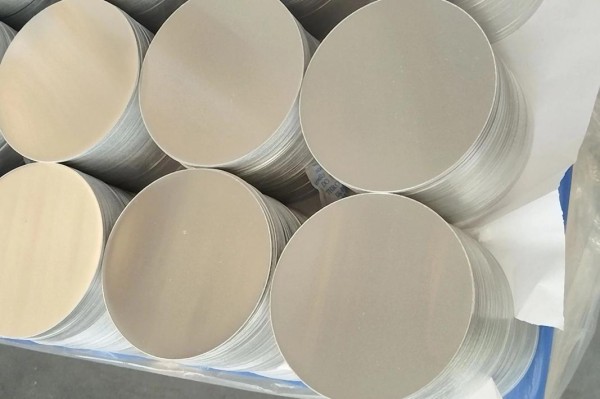
6. เปรียบเทียบ O, H12, และ H14 ในการผลิตเครื่องครัวเชิงปฏิบัติ
ด้านล่างนี้คือประเภทเครื่องครัวที่เข้ากันกับเมทริกซ์ที่ครอบคลุมซึ่งมีอุณหภูมิอุณหภูมิและการอบอ่อนที่เหมาะสม.
| ประเภทเครื่องครัว |
เทมเปอร์ที่แนะนำ |
ทำไมมันถึงได้ผล |
จำเป็นต้องหลอม |
| กระถางทรงลึก |
โอ |
ความเหนียวสูงสุด |
การหลอมแบบเต็ม |
| กระทะจีน |
โอ |
จำเป็นสำหรับการปั่น |
การหลอมเต็ม/บางส่วน |
| หม้อชั้นในหม้ออัดแรงดัน |
โอ |
การวาดลึกหลายขั้นตอน |
การหลอมแบบเต็ม |
| กระทะทอด |
H12 |
สมดุลระหว่างความแข็งและการขึ้นรูป |
บางส่วนหรือปานกลาง |
| ฝาปิด |
H12 / H14 |
ขึ้นอยู่กับความลึก |
การหลอมบางส่วน |
| ถาดอบขนม |
H14 |
มีความแข็งแกร่งสูง |
ไม่มีการหลอมหลังจากการรีด H14 |
| จานบาง |
H14 |
ความแม่นยำของรูปร่าง |
ผ่านการชุบแข็งด้วยความเครียดเท่านั้น |
7. อิทธิพลทางโลหะวิทยาของการหลอมต่อพฤติกรรมการขึ้นรูป
7.1 การปรับปรุงความเหนียว
ธัญพืชอบอ่อนจะช่วยเพิ่มการยืดตัวด้วย 30%–60%, สำคัญสำหรับการขึ้นรูปลึก.
7.2 การรีเซ็ตการแข็งตัวของงาน
โดยไม่ต้องหลอม, วงกลมอะลูมิเนียมจะสะสมความเครียดระหว่างการรีด → ส่งผลให้มีความแข็งเพิ่มขึ้นและการแตกร้าวเร็วในระหว่างการปั๊ม.
7.3 การควบคุมพื้นผิวเกรน
การหลอมช่วยลดเนื้อสัมผัสที่กลิ้ง (ส่วนประกอบทองเหลืองและทองแดง) และช่วยเพิ่มไอโซโทรปี.
สิ่งนี้จะช่วยลด:
- อัตราต่างหู
- การฉีกขาดที่รัศมีแม่พิมพ์
- ความขรุขระของพื้นผิว
8. กรณีศึกษา: การเลือกอุณหภูมิส่งผลต่อคุณภาพเครื่องครัวอย่างไร
8.1 กรณีศึกษา 1: ปัญหาการแตกหม้อลึก
ผู้ผลิตใช้ วงกลมอลูมิเนียม H12 เพื่อผลิตหม้อซุปก้นลึก. ในระหว่างขั้นตอนการวาดลึกครั้งที่สอง, รอยแตกปรากฏขึ้น.
สาเหตุที่แท้จริง: ความเหนียวไม่เพียงพอ
วิธีแก้ปัญหาที่ถูกต้อง: เปลี่ยนไปที่ โอ้อารมณ์ + การหลอมเต็ม
8.2 กรณีศึกษา 2: การแปรปรวนในถาดอบขนม
โรงงานแห่งหนึ่งใช้อุณหภูมิ O สำหรับถาดอบขนม, ส่งผลให้เกิดความฝืดและความคลื่นหลังฟอร์มไม่ดี.
วิธีแก้ปัญหาที่ถูกต้อง: เปลี่ยนไปที่ H14 อารมณ์
8.3 กรณีศึกษา 3: Spinning Edge Cracks ในการผลิตกระทะ
การใช้วงกลม H14 ทำให้เกิดการแยกขอบภายใต้แรงหมุน.
วิธีแก้ปัญหาที่ถูกต้อง: O อารมณ์พร้อมเส้นโค้งการหลอมที่ควบคุมได้
9. เหตุใดความแม่นยำของเส้นโค้งการอบอ่อนจึงมีความสำคัญ
โรงงานอลูมิเนียมทรงกลมสมัยใหม่ใช้เตาหลอมบรรยากาศที่ควบคุมด้วยคอมพิวเตอร์ควบคุม:
- อัตราความร้อน
- จับเวลา
- อัตราการทำความเย็น
การหลอมที่ไม่ถูกต้องอาจทำให้เกิด:
- การเผาไหม้มากเกินไป (การเจริญเติบโตของเมล็ดพืชมากเกินไป)
- ภายใต้การหลอม (ความแข็งส่วนเกิน)
- ความมันวาวของพื้นผิวไม่ดี
- คุณสมบัติทางกลไม่สม่ำเสมอ
10. เส้นโค้งการหลอมที่แนะนำสำหรับการใช้งานที่แตกต่างกัน
10.1 สำหรับการวาดลึก (เครื่องครัวโอเทมเปอร์)
- 350–410°ซ
- ค้างไว้ 1-2 ชั่วโมง
- ระบายความร้อนช้า
- เป้าหมาย: เพิ่มความนุ่มนวลสูงสุด
10.2 สำหรับเครื่องครัวทรงตื้น (H12)
- 260–330°ซ
- ค้างไว้ 30–90 นาที
- การตกผลึกซ้ำบางส่วน
- ปรับสมดุลระหว่างความแข็งและความเหนียว
10.3 สำหรับถาดปั๊ม/อบ (H14)
- ไม่จำเป็นต้องหลอม (อารมณ์ทางกลเท่านั้น)

11. แนวโน้มในอนาคตของเทคโนโลยีการเลือกเทมเปอร์และการหลอม
11.1 เตาเผาที่ควบคุมโดย AI
- การหลอมแบบคาดการณ์ขึ้นอยู่กับความหนาของโลหะผสม
11.2 การหลอมที่มีความสม่ำเสมอสูงเป็นพิเศษ
11.3 การออกแบบอารมณ์ที่กำหนดเอง
- อุณหภูมิผสมระหว่าง O และ H12 เพื่อเพิ่มประสิทธิภาพเครื่องครัว
12. บทสรุป
การเลือกเทมเปอร์วงกลมอะลูมิเนียมที่เหมาะสมถือเป็นสิ่งสำคัญสำหรับการผลิตเครื่องครัวที่มีประสิทธิภาพ.
สรุปทางเลือกที่ดีที่สุด:
- การวาดและการปั่นแบบลึก: โอ้อารมณ์
- เครื่องครัวที่มีความลึกปานกลาง: H12
- ชิ้นส่วนแบนหรือตื้น: H14
ธีมหลักของบทความ—วงกลมอลูมิเนียม การเลือกอุณหภูมิสำหรับเครื่องครัว—มีบทบาทสำคัญในการรับประกันคุณภาพของผลิตภัณฑ์, ความสม่ำเสมอทางกล, สร้างความมั่นคง, และผลผลิตการผลิต.
การหลอมที่เหมาะสมช่วยเพิ่ม:
- ความเหนียว
- คลายเครียด
- คุณภาพพื้นผิว
- ความสม่ำเสมอของเมล็ดข้าว
- ประสิทธิภาพการวาดลึก
การผสมผสานระหว่างการเลือกควบคุมอุณหภูมิที่ถูกต้องและการอบอ่อนที่แม่นยำคือสิ่งที่ช่วยให้ผู้ผลิตเครื่องครัวสามารถผลิตสินค้าที่คงทนได้, มีเสน่ห์, ผลิตภัณฑ์ที่ปราศจากข้อบกพร่องพร้อมประสิทธิภาพที่สม่ำเสมอ.
คุณสมบัติของวงกลมอะลูมิเนียม:
วงอลูมิเนียมเหมาะกับหลายตลาด, รวมทั้งเครื่องครัวด้วย, อุตสาหกรรมยานยนต์และแสงสว่าง, ฯลฯ, เนื่องจากมีลักษณะผลิตภัณฑ์ที่ดี:
- แอนไอโซโทรปีต่ำ, ซึ่งเอื้อต่อการวาดลึก
- คุณสมบัติทางกลที่แข็งแกร่ง
- การแพร่กระจายความร้อนสูงและเป็นเนื้อเดียวกัน
- ความสามารถในการเคลือบฟัน, หุ้มด้วย PTFE (หรือคนอื่นๆ), อโนไดซ์
- สะท้อนแสงได้ดี
- อัตราส่วนความแข็งแรงต่อน้ำหนักสูง
- ความทนทานและทนต่อการกัดกร่อน
กระบวนการวงกลมอลูมิเนียม
โลหะผสม Ingot/Master — เตาหลอม – เตาหลอม — ดี.ซี. ลูกล้อ — แผ่นคอนกรีต —- สเกลเปอร์ — โรงงานรีดร้อน - โรงงานรีดเย็น - เจาะ - เตาหลอม — การตรวจสอบขั้นสุดท้าย – การบรรจุ — จัดส่ง
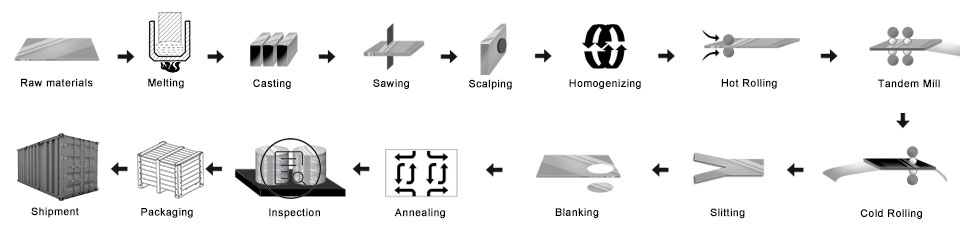
- เตรียมมาสเตอร์อัลลอยด์
- เตาหลอม: ใส่โลหะผสมเข้าไปในเตาหลอม
- อะลูมิเนียมหล่อ ดี.ซี: เพื่อให้แม่ลิ่ม
- บดแท่งอลูมิเนียม: เพื่อให้พื้นผิวและด้านข้างเรียบเนียน
- เตาทำความร้อน
- โรงงานรีดร้อน: ทำแม่คอยล์
- โรงงานรีดเย็น: แม่คอยล์ถูกรีดตามความหนาที่ต้องการซื้อ
- กระบวนการเจาะ: ให้ได้ขนาดตามที่คุณต้องการ
- เตาหลอม: เปลี่ยนอารมณ์
- การตรวจสอบขั้นสุดท้าย
- การบรรจุ: กล่องไม้หรือพาเลทไม้
- จัดส่ง
การควบคุมคุณภาพ
การประกัน การตรวจสอบด้านล่างจะดำเนินการในการผลิต.
- ก. การตรวจจับรังสี—RT;
- ข. การทดสอบอัลตราโซนิก—ยูทาห์;
- ค. การทดสอบอนุภาคแม่เหล็ก-MT;
- ง. การทดสอบการเจาะ-PT;
- จ. การตรวจจับข้อบกพร่องกระแสวน-ET
1) ปราศจากคราบน้ำมัน, บุ๋ม, การรวม, รอยขีดข่วน, คราบ, การเปลี่ยนสีออกไซด์, พัก, การกัดกร่อน, โรลมาร์ก, คราบสกปรก, และข้อบกพร่องอื่นๆ ที่อาจรบกวนการใช้งาน.
2) พื้นผิวไม่มีเส้นสีดำ, ตัดสะอาด, คราบเป็นระยะ, ข้อบกพร่องในการพิมพ์ลูกกลิ้ง, เช่น มาตรฐานการควบคุมภายในของ gko อื่นๆ.
บรรจุแผ่นอลูมิเนียม:
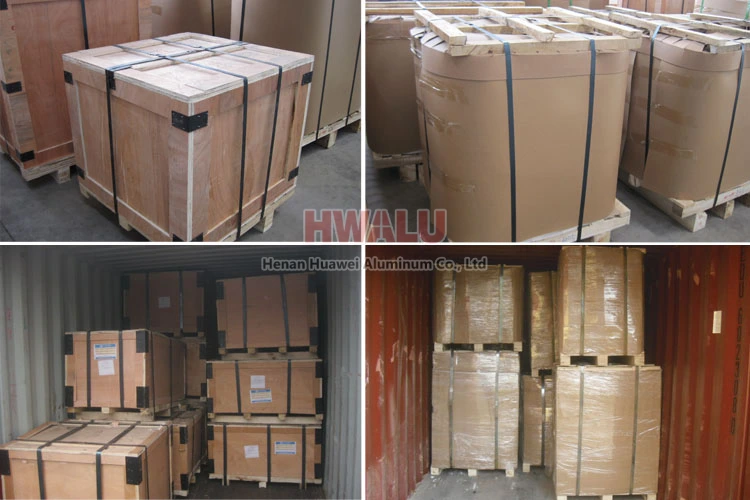
สามารถบรรจุวงกลมอลูมิเนียมได้ตามมาตรฐานส่งออก, หุ้มด้วยกระดาษสีน้ำตาลและฟิล์มพลาสติก. ในที่สุด, อลูมิเนียมกลมได้รับการแก้ไขบนพาเลทไม้/กล่องไม้.
- วางเครื่องอบผ้าไว้ข้างวงกลมอลูมิเนียม, เก็บผลิตภัณฑ์ให้แห้งและสะอาด.
- ใช้กระดาษพลาสติกที่สะอาด, แพ็ควงกลมอลูมิเนียม, ปิดผนึกอย่างดี.
- ใช้กระดาษหนังงู, แพ็คพื้นผิวของกระดาษพลาสติก, ปิดผนึกอย่างดี.
- ต่อไป, มีสองวิธีในการบรรจุ: วิธีหนึ่งคือบรรจุภัณฑ์จากพาเลทไม้, โดยใช้กระดาษที่มีเปลือกแข็งห่อหุ้มพื้นผิว; อีกวิธีหนึ่งคือบรรจุภัณฑ์กล่องไม้, โดยใช้ลังไม้บรรจุพื้นผิว.
- ในที่สุด, วางสายพานเหล็กไว้บนพื้นผิวกล่องไม้, ทำให้กล่องไม้มีความคงทนและปลอดภัย.
วงกลมอลูมิเนียมของ Henan Huawei Aluminium. ตรงตามมาตรฐานการส่งออก. สามารถหุ้มฟิล์มพลาสติกและกระดาษสีน้ำตาลได้ตามความต้องการของลูกค้า. มีอะไรเพิ่มเติม, มีการใช้กล่องไม้หรือพาเลทไม้เพื่อปกป้องผลิตภัณฑ์จากความเสียหายระหว่างการจัดส่ง. บรรจุภัณฑ์มีสองประเภท, ซึ่งเป็นแบบตาต่อผนังหรือตาฟ้า. ลูกค้าสามารถเลือกอย่างใดอย่างหนึ่งเพื่อความสะดวก. พูดโดยทั่วไป, มี 2 ตันในแพ็คเกจเดียว, และกำลังโหลด 18-22 ตันในภาชนะขนาด 1×20′, และ 20-24 ตันในภาชนะขนาด 1×40′.
ทำไมถึงเลือกพวกเรา?
เพื่อที่จะก้าวไปพร้อมกับกาลเวลา, HWALU นำเสนออุปกรณ์และเทคนิคที่ทันสมัยอยู่เสมอเพื่อปรับปรุงขีดความสามารถในการแข่งขัน. ยึดมั่นในปรัชญาการดำเนินธุรกิจที่มีคุณภาพเป็นศูนย์กลางและลูกค้ามาก่อนเสมอ, เพื่อจัดหาผลิตภัณฑ์ซีรีส์แผ่นดิสก์วงกลมอะลูมิเนียมคุณภาพสูงสุดให้กับทุกส่วนของโลก. มากกว่า …

