Tencere Üretimi için Temper Seçimini Anlamak: nasıl, H12, ve H14 Alüminyum Çember Temperleri Performansı ve Tavlamanın Rolünü Etkiliyor
1. giriiş
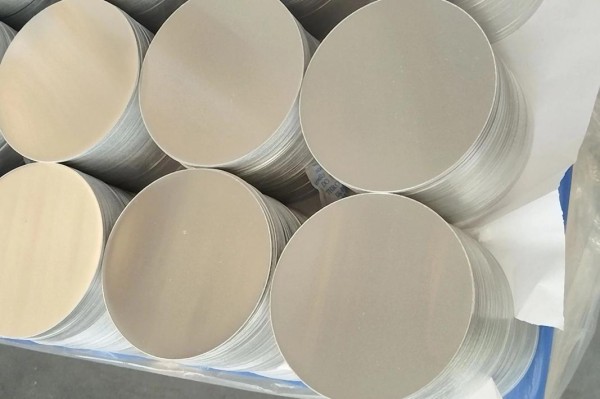
Küresel pişirme kabı endüstrisi, mükemmel ısı iletkenliklerinden dolayı çekirdek oluşturma malzemesi olarak giderek daha fazla alüminyum çemberlere güveniyor, orta güç, şekillendirilebilirlik, ve düşük yoğunluklu. Pişirme kapları daha enerji verimli olmaya doğru ilerledikçe, hafif, ve dayanıklı tasarımlar, Üreticiler bu konuda bilinçli kararlar vermelidir. öfke durumu Damgalamada kullanılan alüminyum çemberlerin, eğirme, derin çekme, ve ekstrüzyon süreçlerini etkilemek.
Arasında seçim yapmak Ah öfke (tavlanmış), H12 (¼ sert), ve H14 (½ sert) bu yalnızca mekanik dayanıklılıkla ilgili bir mesele değildir;:
- Derin çekme ve döndürerek şekillendirme sırasında şekillendirme davranışı
- Pişirme kabının son sertliği ve sağlamlığı
- Yüksek deformasyon sırasında çatlama direnci
- Yüzey kalitesi ve eloksal tepkisi
- Sonraki işlemler sırasında boyutsal kararlılık
- Üretim verimi ve takım maliyeti
Ek olarak, the tavlama işlemi, kısmi mi, orta seviye, veya tam tavlama, tane yapısını belirler, mekanik tutarlılık, kalan stres seviyeleri, ve nihai ürün kalitesi.
Bu makale derinlemesine inceliyor alüminyum daire tencere için temper seçimi, Gerçek üretim ortamlarında farklı temperlerin nasıl davrandığını ve tavlama tekniklerinin mekanik performansı nasıl şekillendirdiğini keşfetmek. Üreticiler için eksiksiz bir mühendislik odaklı analiz sağlar, malzeme işlemcileri, ve tencere tasarımcıları.

2. Tencere Malzemeleri için Alüminyum Daire Temperlerine Genel Bakış
Alüminyum temperler gerinim sertleşmesi kombinasyonlarını temsil eder, tavlama, ve kontrollü mekanik işleme. Tencere üretimi için, en sık kullanılan öfke koşulları şunları içerir::
2.1 Ah Öfke (Yumuşak Tavlı)
- Maksimum yumuşaklık elde etmek için tamamen tavlanmış
- En düşük mekanik dayanım
- En yüksek uzama ve şekillendirilebilirlik
- Tane yapısı tamamen yeniden kristalleştirildi
- Şunun için idealdir: derin çekme, eğirme, ve yüksek deformasyona sahip pişirme kapları
2.2 H12 Öfke (Çeyrek Sert Gerinim Sertleştirilmiş)
- Kontrollü soğuk haddeleme ile üretilir
- Orta kuvvet
- Orta uzama
- Sertlik ve şekillendirilebilirlik arasında iyi bir denge
- Genellikle kullanılır sığ çizim, orta derinlikte tavalar, kapaklar, ve diskler
2.3 H14 Öfke (Yarı Sert Gerinim Sertleştirilmiş)
- Tam tavlama olmadan artan gerinim sertleşmesi
- Daha yüksek güç
- Daha düşük süneklik
- Şunun için uygun: düşük deformasyonlu pişirme kabı, örneğin:
- Sığ fırın tepsileri
- Düz kapaklar
- Presle şekillendirilmiş plakalar
- O ve H12'den daha iyi sertlik gerektiren bileşenler
Bu temper farklılıkları pişirme kaplarının üretilebilirliğini ve son kullanım performansını doğrudan belirler..
3. O'nun Mekanik Özellik Karşılaştırması, H12, ve H14 Alüminyum Çemberler
Aşağıdaki tablo aşağıdakiler için genelleştirilmiş mekanik değerler sağlar: 1050, 1060, veya 3003 Tencere üretiminde yaygın olarak kullanılan alüminyum çemberler. (Değerler tedarikçiye göre değişebilir ancak yönsel olarak tutarlı kalır.)
| Öfke |
Gerilme mukavemeti (MPa) |
Akma dayanımı (MPa) |
Uzama (%) |
Şekillendirilebilirlik |
Tipik Kullanım |
| Ö |
60–95 |
20–35 |
30–45 |
Harika (Derin çekme) |
Saksılar, su ısıtıcıları, derin tavalar |
| H12 |
85–120 |
70–95 |
18–30 |
İyi |
Tavalar, sığ tencere, kapaklar |
| H14 |
120–150 |
95–130 |
9–18 |
Orta ila düşük |
Tepsiler, pişirme gereçleri, presle şekillendirilmiş parçalar |
Anahtar paket servisi:
Öfke ne kadar düşükse (Ö), süneklik ne kadar yüksek olursa, ağır şekillendirmeye uygun hale getirir. Daha yüksek öfke (H12, H14) Deformasyon yeteneğinden ziyade sağlamlığa ve şeklin korunmasına öncelik verin.
4. Farklı Tencere Türleri İçin Doğru Temperleme Nasıl Seçilir
Bu bölüm gerçek üretim koşullarına dayalı derin bir mühendislik analizi sağlar.
4.1 Derin Çekmeli Tencere için Temperlik Seçimi
Derin çekme, deformasyonun en yoğun olduğu pişirme kabı işlemidir, özellikle aşağıdaki gibi öğeler için:
- Stok tencere
- Çorba tencereleri
- Düdüklü tencere gömlekleri
- Su Isıtıcıları
- Büyük kaseler
- Güveçler
Önerilen öfke: Ah öfke
muhakeme:
- Yüksek uzama çatlamayı önler
Derin çekme aşırı durumlarda kalınlığı 5-50 oranında azaltabilir. Yalnızca O temper bu tür deformasyona dayanabilecek yeterli tane yumuşaklığını sağlar.
- Düzgün duvar incelmesi
Tamamen tavlanmış mikro yapı, kalıp yarıçapında metal akışını artırır.
- Daha düşük şekillendirme yükü
O temper, makinenin tonaj gereksinimlerini azaltır ve takım ömrünü uzatır.
- Çok aşamalı derin çizim için en iyisi
Çoğu derin pişirme kabı 2-5 çizim adımı gerektirir; O öfke bunu güvenilir bir şekilde hallediyor.
Çözüm:
Çizim oranları aşıldığında 2.0, Ey öfke zorunludur.
4.2 Döndürülerek Şekillendirilmiş Pişirme Kapları için Temperleme Seçimi
Spin şekillendirme (manuel veya CNC) gibi pişirme kapları üretiyor:
- Wok kabukları
- Yuvarlak kızartma tavaları
- Vapur kabukları
- Pişirme kapları
Önerilen öfke: O veya kısmen tavlanmış malzeme
Neden:
- Eğirme, yüksek süneklik ve dönme gerilimine karşı direnç gerektirir.
- Lokalize incelme kaçınılmazdır; malzeme çekme ve basma gerilmelerine dayanmalıdır.
- Çok zor (H14) kenar çatlamasına ve zayıf dönebilirliğe yol açar.
- H12 hafif eğirme için işe yarayabilir ancak karmaşık geometri için ideal değildir.
Sonuç:
O temper, yüksek hassasiyetli spin şekillendirme için en uygun olanı olmaya devam ediyor.

4.3 Sığ Çekmeli Tencereler için Temperlik Seçimi
Sığ pişirme kabı şunları içerir::
- Kızartma tavaları
- Kızartılmış taraflar
- Sığ kapaklar
- Orta derinlikteki kaseler
En iyi öfke: H12
H12 neden iyi çalışıyor?:
- Daha yüksek sertlik, şekillendirme sonrasında pişirme kabının şeklini korur.
- Yeterli süneklik çatlama olmadan yüzeysel çekmeyi destekler.
- Düzeltme ve perçinleme işlemleri sırasında daha iyi boyutsal stabilite.
4.4 Presle Şekillendirilmiş veya Damgalı Pişirme Kapları için Temper Seçimi
Pres şekillendirme için kullanılır:
- Fırın tepsileri
- Servis tabakları
- Turta kutuları
- Bulaşık kapakları
- Düz tencere bileşenleri
Bunlar yüksek deformasyon yerine şekil sertliği gerektirir.
En iyi öfke: H14
Süreçle eşleşen özellikler:
- Yüksek sertlik bükülmeyi önler
- Düzlüğü korumak için yeterli güce sahiptir
- Daha iyi çizilme ve aşınma direnci
- Tek adımlı damgalama için uygundur
Uyarı:
Derin veya orta derinlikteki pişirme kapları için uygun değildir.
5. Alüminyum Çember Üretiminde Tavlamanın Rolü
Tavlama, alüminyum çemberlerin neredeyse tüm mekanik özelliklerini etkileyen kritik bir metalurjik işlemdir.. Tavlama değişkenlerini anlamak, nihai pişirme kabı kalitesini kontrol etmek için çok önemlidir.
5.1 Tavlama Nedir??
Tavlama, kontrollü bir ısıl işlemdir.:
- İç stresi ortadan kaldırın
- Sünekliği geri kazanın
- Tane yapısını büyütün veya iyileştirin
- Yüzey tutarlılığını iyileştirin
- Derin şekillendirme için malzemeyi hazırlayın
Tipik tavlama sıcaklığı: 350–450°C
Tipik bekletme süresi: 60–180 dakika, alaşım ve kalınlığa bağlı olarak.
5.2 Alüminyum Çember İmalatında Kullanılan Tavlama Çeşitleri
A. Tam Tavlama (Ah Öfke)
- Mekanik özellikleri sıfırlar
- En yumuşak durumu üretir
- Derin çekme ve eğirme için kullanılır
B. Ara Tavlama
- Haddeleme veya çekme aşamaları arasında uygulanır
- Sertleşme oranını kontrol eder
- Çok aşamalı şekillendirmede çatlamayı önler
C. Kısmi Tavlama
- Malzemeyi yumuşatır ancak tamamen yeniden kristalleşmez
- O ve H12 arasında temperler üretir
- Şekillendirilebilirliği ve gücü dengeler
D. Stabilizasyon Tavlaması
- Soğuk haddelemeden kaynaklanan artık gerilimi ortadan kaldırır
- Boyutsal kararlılığı artırır
- Yüksek sıcaklıkta kullanıma maruz kalan pişirme kapları için kritiktir (200°C+)
5.3 Tavlamanın Alüminyum Çember Performansına Etkileri
5.3.1 Tane Yapısı
Tam tavlama sonuçları:
- Eş eksenli, düzgün taneler
- Geliştirilmiş süneklik
- Geliştirilmiş derin çekme yeteneği
- Portakal kabuğu yüzey kusurlarının azaltılması
Yetersiz tavlama oluşur:
- Karışık tane boyutları
- Daha düşük uzama
- Çatlama riski
5.3.2 Artık Stres Giderme
Artık stres etkileyebilir:
- Doğruluk oluşturma
- Tencere kalınlık dağılımı
- Damgalama sırasında bükülme
- Takım aşınması
Tavlama, haddeleme sırasında biriken iç gerilimleri ortadan kaldırır.
5.3.3 Yüzey Kalitesi ve Eloksal Tepkisi
İyi tavlama şunları sağlar:
- Bantlanma olmadan pürüzsüz yüzey
- Daha iyi eloksal renk tutarlılığı
- Daha az iğne deliği riski
- Derin çekme sırasında daha düşük "kulak" riski
5.3.4 Mekanik Tutarlılık
Kontrollü tavlama ile:
- Daireler arasındaki sertlik değişimi ±5 HB'nin altına düşer
- Çizim tonajı öngörülebilir hale geliyor
- Üretim verimi artar
- Takım ayar frekansı azalır
6. Karşılaştırma O, H12, ve Pratik Tencere Üretiminde H14
Aşağıda uygun temperleme ve tavlama koşullarına sahip tencere tipini eşleştiren kapsamlı bir matris bulunmaktadır..
| Tencere Türü |
Önerilen Temperleme |
Neden Çalışıyor? |
Tavlama Gerekli |
| Derin tencere |
Ö |
Maksimum süneklik |
Tam tavlama |
| Wok'lar |
Ö |
Eğirme için gerekli |
Tam/kısmi tavlama |
| Düdüklü tencere iç tenceresi |
Ö |
Çok adımlı derin çizim |
Tam tavlama |
| Kızartma tavaları |
H12 |
Sertlik ve şekillendirme arasındaki denge |
Kısmi veya orta |
| Kapaklar |
H12 / H14 |
Derinliğe bağlıdır |
Kısmi tavlama |
| Fırın tepsileri |
H14 |
Yüksek sertlik |
H14 haddelemeden sonra tavlama yok |
| İnce tabaklar |
H14 |
Şekil doğruluğu |
Yalnızca gerinim sertleştirmeli |
7. Tavlamanın Şekillendirme Davranışı Üzerindeki Metalurjik Etkisi
7.1 Süneklik İyileştirmesi
Tavlanmış taneler uzamayı artırır 30%–`, derin şekillendirme için kritik.
7.2 Çalışmayı Sertleştirme Sıfırlaması
Tavlama olmadan, alüminyum çemberler haddeleme sırasında gerilimi biriktirir → sertliğin artmasına ve damgalama sırasında erken çatlamaya yol açar.
7.3 Tahıl Dokusu Kontrolü
Tavlama yuvarlanma dokusunu azaltır (pirinç ve bakır bileşenler) ve izotropiyi artırır.
Bu azaltır:
- Kazanma oranı
- Kalıp yarıçapında yırtılma
- Yüzey dalgalılığı
8. Vaka Çalışmaları: Temper Seçimi Tencere Kalitesini Nasıl Etkiler?
8.1 Örnek Olay İncelemesi 1: Derin Tencere Çatlama Sorunu
Kullanılan bir üretici H12 alüminyum daireler derin çorba tencereleri üretmek. İkinci derin çekme aşamasında, çatlaklar ortaya çıktı.
Ana neden: yetersiz süneklik
Doğru çözüm: geçiş yapmak Ah öfke + tam tavlama
8.2 Örnek Olay İncelemesi 2: Fırın Tepsilerinde Çözgü
Bir fabrikada fırın tepsileri için O temper kullanıldı, zayıf sertlik ve form sonrası dalgalılığa neden olur.
Doğru çözüm: geçiş yapmak H14 öfke
8.3 Örnek Olay İncelemesi 3: Wok Üretiminde Dönen Kenar Çatlakları
H14 dairelerinin kullanılması, eğirme kuvveti altında kenar bölünmesine yol açtı.
Doğru çözüm: Kontrollü tavlama eğrisine sahip temper
9. Tavlama Eğrisi Hassasiyeti Neden Önemlidir?
Modern alüminyum daire tesisleri, bilgisayar kontrollü kontrollü atmosfer tavlama fırınları kullanır.:
- Isıtma hızı
- Tutma süresi
- Soğutma hızı
Yanlış tavlama neden olabilir:
- Aşırı yanma (tahıl büyümesi)
- Az tavlama (aşırı sertlik)
- Zayıf yüzey parlaklığı
- Düzgün olmayan mekanik özellikler
10. Farklı Uygulamalar İçin Önerilen Tavlama Eğrileri
10.1 Derin çizim için (O-temper tencere)
- 350–410°C
- 1-2 saat tutun
- Yavaş soğutma
- Amaç: yumuşaklığı en üst düzeye çıkarın
10.2 Sığ pişirme kapları için (H12)
- 260–330°C
- 30-90 dakika tutun
- Kısmi yeniden kristalleşme
- Sertlik ve sünekliği dengeleyin
10.3 Damgalama/fırın tepsileri için (H14)
- Tavlamaya gerek yok (yalnızca mekanik temper)

11. Temper Seçimi ve Tavlama Teknolojisinde Gelecek Trendler
11.1 Yapay zeka kontrollü fırınlar
- Alaşım kalınlığına dayalı öngörücü tavlama
11.2 Ultra yüksek homojenlik tavlaması
- Tahıl gradyanlarını azaltır
11.3 Özelleştirilmiş öfke tasarımı
- Optimize edilmiş pişirme kabı performansı için O ve H12 arasındaki hibrit sıcaklıklar
12. Çözüm
Verimli tencere üretimi için doğru alüminyum daire temperini seçmek çok önemlidir.
En iyi seçimlerin özeti:
- Derin çekme ve eğirme: Ah öfke
- Orta derinlikte pişirme kabı: H12
- Düz veya sığ parçalar: H14
Makalenin ana teması—alüminyum daire tencere için temper seçimi—Ürün kalitesinin sağlanmasında belirleyici bir rol oynar, mekanik tutarlılık, istikrar oluşturma, ve üretim verimi.
Uygun tavlama geliştirir:
- Süneklik
- Stres giderme
- Yüzey kalitesi
- Tahıl bütünlüğü
- Derin çekme performansı
Doğru temper seçimi ve hassas tavlamanın birleşimi, tencere üreticilerinin dayanıklı ürünler üretmesini sağlar., çekici, Tutarlı performansa sahip hatasız ürünler.
Alüminyum çemberin özellikleri:
Alüminyum çember birçok pazara uygundur, tencere seti dahil, otomotiv ve aydınlatma endüstrileri, vesaire., iyi ürün özellikleri sayesinde:
- Düşük anizotropi, derin çekmeyi kolaylaştıran
- Güçlü mekanik özellikler
- Yüksek ve homojen ısı yayılımı
- Emaye edilebilme özelliği, PTFE kapsamındadır (veya diğerleri), anodize edilmiş
- İyi yansıtma
- Yüksek mukavemet/ağırlık oranı
- Dayanıklılık ve korozyona karşı direnç
Alüminyum Çemberler Süreci
Külçe/Ana Alaşımlar — Eritme Fırını – Tutma Fırını — DC. Teker — Döşeme —- kafa derisi — Sıcak Haddehane – Soğuk Haddehane – Delme – Tav Fırını — Son Muayene – Paketleme — Teslimat
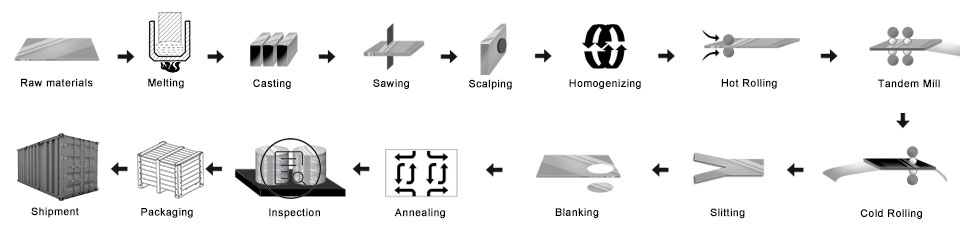
- Ana alaşımları hazırlayın
- Eritme fırını: alaşımları eritme fırınına koyun
- D.C. dökme alüminyum külçe: Anneyi külçe yapmak için
- Alüminyum külçeyi frezeleyin: yüzeyi ve yanları pürüzsüz hale getirmek için
- Isıtma fırını
- Sıcak haddehane: ana bobini yaptım
- Soğutma haddehanesi: ana bobin satın almak istediğiniz kalınlıkta yuvarlandı
- Delme işlemi: istediğin büyüklükte ol
- Tav fırını: öfkeyi değiştir
- Son muayene
- Ambalaj: Tahta sandık veya ahşap palet
- Teslimat
Kalite Kontrol
Güvence Üretimde aşağıdaki muayene yapılacaktır.
- A. ışın algılama—RT;
- B. ultrasonik test—UT;
- C. Manyetik Parçacık Testi-MT;
- D. Sızma testi-PT;
- e. girdap akımı kusur tespiti-ET
1) Yağ Lekesinden Kurtulun, Göçük, Dahil etme, çizikler, Lekelemek, Oksit Renk Değişikliği, Molalar, Korozyon, Rulo İşaretleri, Kir Çizgileri, ve kullanıma engel olacak diğer kusurlar.
2) Siyah çizgi olmayan yüzey, temiz kesim, periyodik leke, rulo baskı kusurları, diğer gko dahili Kontrol standartları gibi.
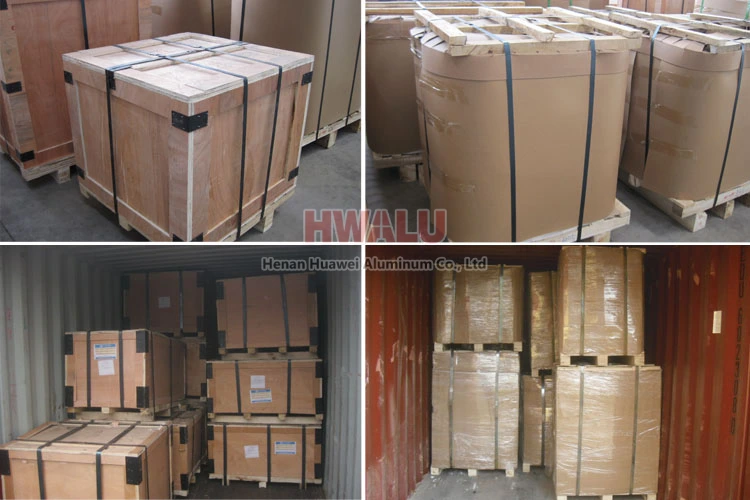
Alüminyum diskler ambalajı:
Alüminyum çemberler ihracat standartlarına göre paketlenebilir, kahverengi kağıt ve plastik film ile kaplama. Nihayet, Alüminyum Yuvarlak ahşap bir palet/tahta sandık üzerine sabitlenir.
- Kurutucuları alüminyum dairenin yanına koyun, ürünleri kuru ve temiz tutun.
- Temiz plastik kağıt kullanın, alüminyum daireyi paketleyin, iyi sızdırmazlık sağlayın.
- Yılan derisi kağıdını kullanın, Plastik kağıdın yüzeyini paketleyin, iyi sızdırmazlık sağlayın.
- Sonraki, paketlemenin iki yolu var: Tek yol ahşap palet ambalajıdır, yüzeyi paketleyen huysuz kağıdı kullanarak; Başka bir yol tahta sandık ambalajıdır, Yüzeyi paketleyen tahta sandık kullanarak.
- Nihayet, çelik kemeri ahşap kutunun yüzeyine yerleştirin, ahşap kutunun sağlamlığını ve güvenliğini korumak.
Henan Huawei Alüminyum'un alüminyum çemberi. ihracat standardını karşılamak. Müşterilerin ihtiyaçlarına göre plastik film ve kahverengi kağıt kaplanabilir. Dahası, Ürünleri teslimat sırasında hasardan korumak için tahta sandık veya ahşap palet benimsenmiştir. İki çeşit ambalaj var, hangisi duvara göz veya gökyüzüne göz. Müşteriler kolaylık sağlamak için bunlardan herhangi birini seçebilirler. Genel olarak konuşursak, var 2 Tonlarca tek pakette, ve yükleniyor 18-22 1×20′ konteynerde ton, Ve 20-24 1×40′ konteynerde ton.
Neden bizi seçmelisiniz??
Zamana ayak uydurabilmek için, HWALU rekabet gücünü artırmak için en son teknolojiye sahip ekipman ve teknikleri sunmaya devam ediyor. Her zaman merkez ve müşteri olarak kalite iş felsefesine bağlı kalın, dünyanın her yerine en kaliteli alüminyum disk daire serisi ürünlerini sunmak. Daha …

