कुकवेयर निर्माण के लिए तापमान चयन को समझना: कैसे ओ, एच12, और एच14 एल्युमीनियम सर्कल टेम्पर्स प्रदर्शन और एनीलिंग की भूमिका को प्रभावित करते हैं
1. परिचय
वैश्विक कुकवेयर उद्योग अपनी उत्कृष्ट तापीय चालकता के कारण कोर बनाने वाली सामग्री के रूप में एल्युमीनियम सर्कल पर तेजी से निर्भर हो रहा है, मध्यम शक्ति, प्रपत्र, और कम घनत्व. जैसे-जैसे कुकवेयर अधिक ऊर्जा-कुशल की ओर बढ़ता है, हल्के, और टिकाऊ डिज़ाइन, निर्माताओं को इसके संबंध में सोच-समझकर निर्णय लेना चाहिए स्वभाव की स्थिति मुद्रांकन में उपयोग किए जाने वाले एल्युमीनियम के घेरे, कताई, ग़हरी कला, और एक्सट्रूज़न प्रक्रियाओं को प्रभावित करता है.
बीच चयन करना हे स्वभाव! (annealed), एच12 (¼ कठिन), और H14 (½ कठिन) यह केवल यांत्रिक शक्ति का मामला नहीं है - यह प्रभावित करता है:
- डीप ड्रॉ और स्पिन फॉर्मिंग के दौरान व्यवहार का निर्माण
- कुकवेयर की अंतिम कठोरता और दृढ़ता
- उच्च विरूपण के दौरान दरार प्रतिरोध
- सतह की गुणवत्ता और एनोडाइजिंग प्रतिक्रिया
- बाद की प्रक्रियाओं के दौरान आयामी स्थिरता
- उत्पादन उपज और टूलींग लागत
इसके अतिरिक्त, NS एनीलिंग प्रक्रिया, चाहे आंशिक हो, मध्यवर्ती, या पूर्ण एनीलिंग, अनाज की संरचना निर्धारित करता है, यांत्रिक स्थिरता, अवशिष्ट तनाव स्तर, और अंतिम उत्पाद की गुणवत्ता.
यह आलेख गहराई से विचार करता है एल्यूमीनियम सर्कल कुकवेयर के लिए तापमान का चयन, यह पता लगाना कि वास्तविक विनिर्माण वातावरण में विभिन्न स्वभाव कैसे व्यवहार करते हैं और एनीलिंग तकनीकें यांत्रिक प्रदर्शन को कैसे आकार देती हैं. यह निर्माताओं के लिए संपूर्ण इंजीनियरिंग-उन्मुख विश्लेषण प्रदान करता है, सामग्री प्रोसेसर, और कुकवेयर डिजाइनर.

2. कुकवेयर के लिए एल्यूमिनियम सर्कल टेम्पर्स का अवलोकन
एल्युमीनियम टेम्पर्स स्ट्रेन हार्डनिंग के संयोजन का प्रतिनिधित्व करते हैं, annealing, और नियंत्रित यांत्रिक प्रसंस्करण. कुकवेयर निर्माण के लिए, सबसे अधिक उपयोग की जाने वाली स्वभाव स्थितियों में शामिल हैं:
2.1 हे स्वभाव! (नरम एनील्ड)
- अधिकतम कोमलता प्राप्त करने के लिए पूरी तरह से एनील्ड
- सबसे कम यांत्रिक शक्ति
- उच्चतम बढ़ाव और सुरूपता
- अनाज की संरचना पूरी तरह से पुनः क्रिस्टलीकृत हो गई
- के लिए आदर्श ग़हरी कला, कताई, और उच्च-विरूपण कुकवेयर
2.2 H12 स्वभाव (क्वार्टर-हार्ड स्ट्रेन कठोर)
- नियंत्रित कोल्ड रोलिंग के माध्यम से उत्पादित
- मध्यम शक्ति
- मध्यम बढ़ाव
- कठोरता और फॉर्मेबिलिटी के बीच अच्छा संतुलन
- अक्सर प्रयोग किया जाता है उथला चित्रण, मध्यम-गहराई वाले पैन, पलकों, और डिस्क
2.3 H14 स्वभाव (अर्ध-कठोर तनाव कठोर हो गया)
- पूर्ण एनीलिंग के बिना बढ़ा हुआ तनाव सख्त होना
- उच्च शक्ति
- कम लचीलापन
- के लिए उपयुक्त कम विरूपण वाला कुकवेयर, जैसे कि:
- उथली बेकिंग ट्रे
- चपटी पलकें
- प्रेस से बनी प्लेटें
- घटकों को O और H12 की तुलना में बेहतर कठोरता की आवश्यकता होती है
स्वभाव में ये अंतर सीधे तौर पर कुकवेयर की विनिर्माण क्षमता और अंतिम उपयोग के प्रदर्शन को निर्धारित करते हैं.
3. ओ की यांत्रिक संपत्ति तुलना, एच12, और H14 एल्यूमिनियम सर्कल
नीचे दी गई तालिका सामान्यीकृत यांत्रिक मान प्रदान करती है 1050, 1060, या 3003 कुकवेयर उत्पादन में एल्यूमीनियम सर्कल का व्यापक रूप से उपयोग किया जाता है. (आपूर्तिकर्ता के अनुसार मूल्य भिन्न हो सकते हैं लेकिन प्रत्यक्ष रूप से सुसंगत रहते हैं।)
| मनोवृत्ति |
तन्यता ताकत (एमपीए) |
नम्य होने की क्षमता (एमपीए) |
बढ़ाव (%) |
प्रपत्र |
विशिष्ट उपयोग |
| हे |
60-95 |
20-35 |
30-45 |
उत्कृष्ट (ग़हरी कला) |
बर्तन, केटल्स, गहरे पैन |
| एच12 |
85-120 |
70-95 |
18-30 |
अच्छा |
पैन, उथला कुकवेयर, पलकों |
| एच14 |
120-150 |
95-130 |
9-18 |
मध्यम से निम्न |
ट्रे, बेकिंग का सामान, प्रेस से बने हिस्से |
कुंजी ले जाएं:
गुस्सा उतना ही कम होगा (हे), लचीलापन जितना अधिक होगा, इसे भारी निर्माण के लिए उपयुक्त बनाना. उच्च स्वभाव (एच12, एच14) विरूपण क्षमता पर कठोरता और आकार प्रतिधारण को प्राथमिकता दें.
4. विभिन्न प्रकार के कुकवेयर के लिए सही तापमान का चयन कैसे करें
यह अनुभाग वास्तविक विनिर्माण स्थितियों के आधार पर गहन इंजीनियरिंग विश्लेषण प्रदान करता है.
4.1 डीप-ड्रा कुकवेयर के लिए तापमान का चयन
डीप-ड्राइंग सबसे अधिक विरूपण-गहन कुकवेयर प्रक्रिया है, विशेष रूप से जैसी वस्तुओं के लिए:
- स्टॉक बर्तन
- सूप के बर्तन
- प्रेशर कुकर लाइनर
- केटल्स
- बड़े कटोरे
- पुलाव
अनुशंसित स्वभाव: हे स्वभाव!
तर्क:
- उच्च बढ़ाव दरार को रोकता है
गंभीर मामलों में गहरी ड्राइंग से मोटाई 35-50% तक कम हो सकती है. केवल O तापमान ही अनाज को ऐसी विकृति से बचने के लिए पर्याप्त कोमलता प्रदान करता है.
- एकसमान दीवार का पतला होना
पूरी तरह से एनील्ड माइक्रोस्ट्रक्चर डाई रेडियस पर धातु के प्रवाह को बढ़ाता है.
- कम गठन भार
ओ टेम्परेचर मशीन टनभार आवश्यकताओं को कम करता है और टूलींग जीवन को बढ़ाता है.
- मल्टी-स्टेज डीप ड्राइंग के लिए सर्वश्रेष्ठ
अधिकांश गहरे कुकवेयर के लिए 2-5 ड्राइंग चरणों की आवश्यकता होती है; हे स्वभाव इसे विश्वसनीय रूप से संभालता है.
निष्कर्ष:
जब ड्राइंग अनुपात अधिक हो 2.0, हे स्वभाव अनिवार्य है.
4.2 स्पिन-निर्मित कुकवेयर के लिए तापमान का चयन
स्पिन बनाना (मैनुअल या सीएनसी) जैसे कुकवेयर का उत्पादन करता है:
- कड़ाही के गोले
- गोल फ्राई पैन
- स्टीमर के गोले
- खाना पकाने के बर्तन
अनुशंसित स्वभाव: ओ या आंशिक रूप से एनील्ड सामग्री
क्यों:
- कताई के लिए उच्च लचीलापन और घूर्णी तनाव के प्रतिरोध की आवश्यकता होती है.
- स्थानीयकृत पतलापन अपरिहार्य है; सामग्री को तन्य और संपीड़न तनाव का सामना करना होगा.
- बहुत कठिन (एच14) किनारों में दरारें पड़ जाती हैं और स्पिनेबिलिटी ख़राब हो जाती है.
- H12 प्रकाश घूमने के लिए काम कर सकता है लेकिन जटिल ज्यामिति के लिए आदर्श नहीं है.
परिणाम:
उच्च परिशुद्धता स्पिन बनाने के लिए ओ टेम्परेचर सबसे उपयुक्त रहता है.

4.3 शैलो-ड्रा कुकवेयर के लिए तापमान का चयन
उथले कुकवेयर में शामिल हैं:
- तडके का पात्र
- तली हुई भुजाएँ
- उथली पलकें
- मध्यम गहराई के कटोरे
उत्तम स्वभाव: एच12
H12 अच्छा काम क्यों करता है?:
- उच्च कठोरता बनने के बाद कुकवेयर के आकार को बनाए रखती है.
- पर्याप्त लचीलापन बिना दरार के उथली ड्राइंग का समर्थन करता है.
- ट्रिमिंग और रिवेटिंग प्रक्रियाओं के दौरान बेहतर आयामी स्थिरता.
4.4 प्रेस-निर्मित या मुद्रांकित कुकवेयर के लिए तापमान का चयन
प्रेस फॉर्मिंग का उपयोग किसके लिए किया जाता है?:
- बेकिंग ट्रे
- परोसने की प्लेटें
- पाई डिब्बे
- डिश कवर
- फ्लैट कुकवेयर घटक
इन्हें उच्च विरूपण के बजाय आकार कठोरता की आवश्यकता होती है.
उत्तम स्वभाव: एच14
प्रक्रिया से मेल खाने वाली विशेषताएँ:
- उच्च कठोरता विकृति को रोकती है
- समतलता बनाए रखने के लिए पर्याप्त ताकत है
- बेहतर खरोंच और पहनने का प्रतिरोध
- सिंगल-स्टेप स्टैम्पिंग के लिए उपयुक्त
चेतावनी:
गहरे या मध्यम गहराई वाले कुकवेयर के लिए उपयुक्त नहीं है.
5. एल्युमीनियम सर्कल उत्पादन में एनीलिंग की भूमिका
एनीलिंग एक महत्वपूर्ण धातुकर्म प्रक्रिया है जो एल्यूमीनियम सर्कल के लगभग सभी यांत्रिक गुणों को प्रभावित करती है. अंतिम कुकवेयर गुणवत्ता को नियंत्रित करने के लिए एनीलिंग वेरिएबल्स को समझना आवश्यक है.
5.1 एनीलिंग क्या है?
एनीलिंग एक नियंत्रित थर्मल उपचार है जिसका उपयोग किया जाता है:
- आंतरिक तनाव दूर करें
- लचीलापन बहाल करें
- अनाज की संरचना को बढ़ाना या परिष्कृत करना
- सतह की स्थिरता में सुधार करें
- गहरी संरचना के लिए सामग्री तैयार करें
विशिष्ट एनीलिंग तापमान: 350-450°C
विशिष्ट धारण समय: 60-180 मिनट, मिश्रधातु और मोटाई पर निर्भर करता है.
5.2 एल्युमीनियम सर्कल निर्माण में प्रयुक्त एनीलिंग के प्रकार
ए. पूर्ण एनीलिंग (हे स्वभाव!)
- यांत्रिक गुणों को रीसेट करता है
- सबसे नरम स्थिति पैदा करता है
- गहरी ड्राइंग और कताई के लिए उपयोग किया जाता है
बी. इंटरमीडिएट एनीलिंग
- रोलिंग या ड्राइंग चरणों के बीच लागू किया गया
- सख्त होने की दर को नियंत्रित करता है
- मल्टी-स्टेज फॉर्मिंग में टूटने से बचाता है
सी. आंशिक एनीलिंग
- सामग्री को नरम करता है लेकिन पूरी तरह से पुनः क्रिस्टलीकृत नहीं होता है
- O और H12 के बीच तापमान उत्पन्न करता है
- फॉर्मैबिलिटी और ताकत को संतुलित करता है
डी. स्थिरीकरण एनीलिंग
- कोल्ड रोलिंग से जमा हुए अवशिष्ट तनाव को दूर करता है
- आयामी स्थिरता को बढ़ाता है
- उच्च तापमान के उपयोग से गुजरने वाले कुकवेयर के लिए महत्वपूर्ण (200डिग्री सेल्सियस+)
5.3 एल्यूमिनियम सर्कल प्रदर्शन पर एनीलिंग का प्रभाव
5.3.1 अनाज की संरचना
पूर्ण एनीलिंग परिणाम आता है:
- समतुल्य, एकसमान दाने
- बेहतर लचीलापन
- गहरी-खींचने की क्षमता में वृद्धि
- संतरे के छिलके की सतह के दोष कम हो गए
अपर्याप्त एनीलिंग उत्पन्न होती है:
- मिश्रित अनाज का आकार
- निचला बढ़ाव
- दरार पड़ने का खतरा
5.3.2 अवशिष्ट तनाव से राहत
अवशिष्ट तनाव प्रभाव डाल सकता है:
- सटीकता बनाना
- कुकवेयर मोटाई वितरण
- मुद्रांकन के दौरान विकृति
- औज़ार घिसाव
एनीलिंग रोलिंग के दौरान जमा हुए आंतरिक तनाव को दूर करता है.
5.3.3 सतह की गुणवत्ता और एनोडाइजिंग प्रतिक्रिया
अच्छा एनीलिंग सुनिश्चित करता है:
- बैंडिंग के बिना चिकनी सतह
- बेहतर एनोडाइजिंग रंग स्थिरता
- पिनहोल का जोखिम कम हो गया
- गहरी ड्राइंग के दौरान "कान" का कम जोखिम
5.3.4 यांत्रिक संगति
नियंत्रित एनीलिंग के साथ:
- सभी वृत्तों में कठोरता भिन्नता ±5 एचबी से नीचे चली जाती है
- टनभार का आहरण पूर्वानुमानित हो जाता है
- उत्पादन उपज बढ़ती है
- उपकरण समायोजन आवृत्ति कम हो जाती है
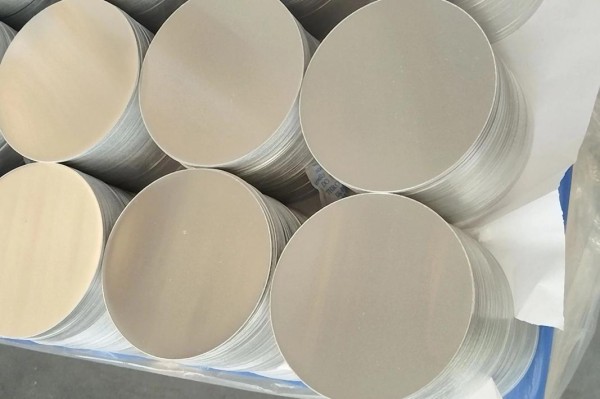
6. ओ की तुलना, एच12, और प्रैक्टिकल कुकवेयर उत्पादन में H14
उपयुक्त तापमान और एनीलिंग स्थितियों के साथ कुकवेयर प्रकार से मेल खाने वाला एक व्यापक मैट्रिक्स नीचे दिया गया है.
| कुकवेयर प्रकार |
अनुशंसित स्वभाव |
यह क्यों काम करता है |
एनीलिंग की आवश्यकता |
| गहरे बर्तन |
हे |
अधिकतम लचीलापन |
पूर्ण एनीलिंग |
| वोक्स |
हे |
कताई के लिए आवश्यक है |
पूर्ण/आंशिक एनीलिंग |
| प्रेशर कुकर भीतरी बर्तन |
हे |
बहु-चरणीय गहरी ड्राइंग |
पूर्ण एनीलिंग |
| तडके का पात्र |
एच12 |
कठोरता और गठन के बीच संतुलन |
आंशिक या मध्यवर्ती |
| पलकों |
एच12 / एच14 |
गहराई पर निर्भर करता है |
आंशिक एनीलिंग |
| बेकिंग ट्रे |
एच14 |
उच्च कठोरता |
H14 रोलिंग के बाद कोई एनीलिंग नहीं |
| पतले बर्तन |
एच14 |
आकार सटीकता |
केवल तनाव-कठोर |
7. व्यवहार के निर्माण पर एनीलिंग का धातुकर्म प्रभाव
7.1 लचीलापन में सुधार
एनील्ड अनाज लम्बाई बढ़ाते हैं 30%-60%, गहन निर्माण के लिए महत्वपूर्ण.
7.2 कार्य-सख्त रीसेट
बिना एनीलिंग के, रोलिंग के दौरान एल्यूमीनियम सर्कल में तनाव जमा हो जाता है → जिससे स्टैम्पिंग के दौरान कठोरता बढ़ जाती है और जल्दी टूट जाती है.
7.3 अनाज की बनावट नियंत्रण
एनीलिंग से रोलिंग बनावट कम हो जाती है (पीतल और तांबे के घटक) और आइसोट्रॉपी को बढ़ाता है.
इससे कमी आती है:
- बाली दर
- डाई रेडियस पर फाड़ना
- सतह का तरंगित होना
8. मामले का अध्ययन: तापमान का चयन कुकवेयर की गुणवत्ता को कैसे प्रभावित करता है
8.1 केस स्टडी 1: डीप पॉट क्रैकिंग समस्या
एक निर्माता ने प्रयोग किया H12 एल्यूमिनियम सर्कल गहरे सूप के बर्तन बनाने के लिए. दूसरे डीप-ड्रा चरण के दौरान, दरारें दिखाई दीं.
मूल कारण: अपर्याप्त लचीलापन
सही समाधान: पर स्विच हे स्वभाव! + पूर्ण एनीलिंग
8.2 केस स्टडी 2: बेकिंग ट्रे में ताना-बाना
एक फ़ैक्टरी ने बेकिंग ट्रे के लिए O टेम्परेचर का उपयोग किया, जिसके परिणामस्वरूप खराब कठोरता और पोस्ट-फॉर्म तरंगता होती है.
सही समाधान: पर स्विच H14 स्वभाव
8.3 केस स्टडी 3: वोक प्रोडक्शन में स्पिनिंग एज क्रैक
H14 सर्कल का उपयोग करने से स्पिनिंग बल के तहत किनारे विभाजित हो गए.
सही समाधान: हे नियंत्रित एनीलिंग वक्र के साथ गुस्सा
9. एनीलिंग वक्र परिशुद्धता क्यों मायने रखती है
आधुनिक एल्यूमीनियम सर्कल संयंत्र कंप्यूटर-विनियमित के साथ नियंत्रित वातावरण एनीलिंग भट्टियों का उपयोग करते हैं:
- तापन दर
- अपने पास रखने की अवधि
- शीतलन दर
गलत एनीलिंग का कारण हो सकता है:
- अत्यधिक जलना (अनाज की अधिक वृद्धि)
- अंडर-एनीलिंग (अतिरिक्त कठोरता)
- ख़राब सतह चमक
- गैर-समान यांत्रिक गुण
10. विभिन्न अनुप्रयोगों के लिए अनुशंसित एनीलिंग कर्व्स
10.1 गहरी ड्राइंग के लिए (ओ-टेम्पर कुकवेयर)
- 350-410°C
- 1-2 घंटे रुकें
- धीमी गति से ठंडा होना
- लक्ष्य: कोमलता को अधिकतम करें
10.2 उथले कुकवेयर के लिए (एच12)
- 260-330°C
- 30-90 मिनट रुकें
- आंशिक पुनर्क्रिस्टलीकरण
- कठोरता और लचीलापन को संतुलित करें
10.3 स्टैम्पिंग/बेकिंग ट्रे के लिए (एच14)
- कोई एनीलिंग की जरूरत नहीं (केवल यांत्रिक स्वभाव)

11. तापमान चयन और एनीलिंग प्रौद्योगिकी में भविष्य के रुझान
11.1 एआई-नियंत्रित भट्टियां
- मिश्र धातु की मोटाई के आधार पर पूर्वानुमानित एनीलिंग
11.2 अति-उच्च एकरूपता एनीलिंग
- अनाज के उतार-चढ़ाव को कम करता है
11.3 अनुकूलित स्वभाव डिजाइन
- अनुकूलित कुकवेयर प्रदर्शन के लिए O और H12 के बीच हाइब्रिड तापमान
12. निष्कर्ष
कुशल कुकवेयर उत्पादन के लिए सही एल्यूमीनियम सर्कल टेम्परेचर का चयन करना आवश्यक है.
सर्वोत्तम विकल्पों का सारांश:
- गहराई से रेखांकन करना और घुमाना: हे स्वभाव!
- मध्यम-गहराई वाला कुकवेयर: एच12
- समतल या उथला भाग: एच14
लेख का मुख्य विषय-एल्यूमीनियम सर्कल कुकवेयर के लिए तापमान का चयन- उत्पाद की गुणवत्ता सुनिश्चित करने में निर्णायक भूमिका निभाता है, यांत्रिक स्थिरता, स्थिरता का निर्माण, और विनिर्माण उपज.
उचित एनीलिंग बढ़ाती है:
- लचीलापन
- तनाव से राहत
- सतही गुणवत्ता
- अनाज की एकरूपता
- डीप-ड्रा प्रदर्शन
सही स्वभाव चयन और सटीक एनीलिंग का संयोजन कुकवेयर निर्माताओं को टिकाऊ उत्पादन करने में सक्षम बनाता है, आकर्षक, लगातार प्रदर्शन के साथ दोष-मुक्त उत्पाद.
एल्यूमीनियम सर्कल के गुण:
एल्यूमिनियम सर्कल कई बाजारों के लिए उपयुक्त है, कुकवेयर सहित, मोटर वाहन और प्रकाश उद्योग, आदि।, अच्छे उत्पाद विशेषताओं के लिए धन्यवाद:
- कम अनिसोट्रॉपी, जो गहरी ड्राइंग की सुविधा प्रदान करता है
- मजबूत यांत्रिक गुण
- उच्च और सजातीय गर्मी प्रसार
- तामचीनी होने की क्षमता, PTFE द्वारा कवर किया गया (या अन्य), एनोड किए गए
- अच्छा परावर्तन
- उच्च शक्ति-से-वजन अनुपात
- जंग के लिए स्थायित्व और प्रतिरोध
एल्यूमिनियम सर्किल प्रक्रिया
पिंड/मास्टर मिश्र — मेल्टिंग फर्नेस - होल्डिंग फर्नेस — डी.सी.. कास्टर — पत्थर की पटिया —- स्कैल्पर — हॉट रोलिंग मिल - कोल्ड रोलिंग मिल - पंचिंग - एनीलिंग फर्नेस — अंतिम निरीक्षण - पैकिंग — वितरण
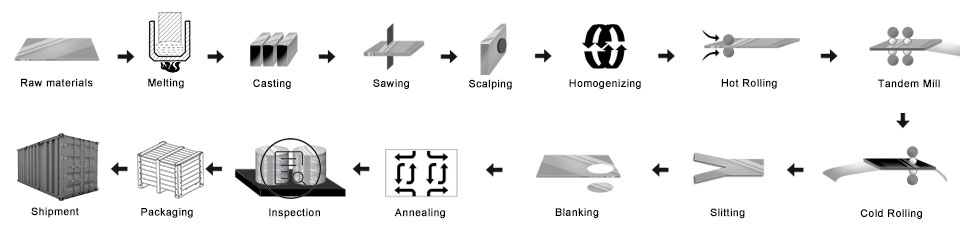
- मास्टर मिश्र तैयार करें
- पिघलती भट्टी: मिश्र धातुओं को पिघलने वाली भट्टी में डालें
- डीसी कास्ट एल्यूमीनियम पिंड: माँ को पिंड बनाने के लिए
- एल्यूमीनियम पिंड मिल: सतह और साइड को चिकना बनाने के लिए
- ताप भट्टी
- हॉट रोलिंग मिल: माँ का तार बनाया
- कोल्ड रोलिंग मिल: मदर कॉइल को उस मोटाई के रूप में रोल किया गया था जिसे आप खरीदना चाहते हैं
- छिद्रण प्रक्रिया: आप जो चाहते हैं उसका आकार बनें
- एनीलिंग भट्टी: मिजाज बदलो
- अंतिम निरीक्षण
- पैकिंग: लकड़ी के मामले या लकड़ी के फूस
- वितरण
गुणवत्ता नियंत्रण
आश्वासन नीचे निरीक्षण उत्पादन में किया जाएगा.
- ए. किरण का पता लगाना—आर टी;
- बी. अल्ट्रासोनिक परीक्षण—केन्द्र शासित प्रदेशों;
- सी. चुंबकीय कण परीक्षण-एमटी;
- डी. पैठ परीक्षण-पीटी;
- इ. एड़ी वर्तमान दोष का पता लगाने-ET
1) तेल के दाग से मुक्त रहें, काटने का निशान, समावेश, स्क्रैच, धब्बा, ऑक्साइड मलिनकिरण, ब्रेक, जंग, रोल मार्क्स, गंदगी की धारियाँ, और अन्य दोष जो उपयोग में हस्तक्षेप करेंगे.
2) काली रेखा के बिना सतह, तेज़ बाहर की रेखाओंवालअ, आवधिक दाग, रोलर मुद्रण दोष, जैसे अन्य gko आंतरिक नियंत्रण मानक.
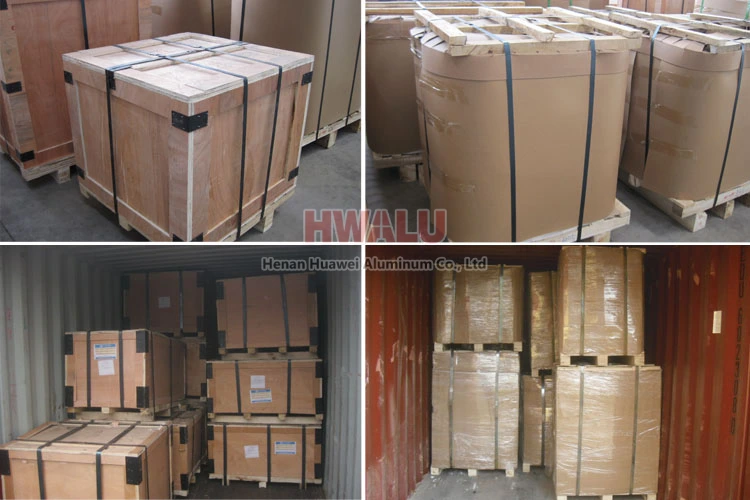
एल्यूमिनियम डिस्क पैकिंग:
एल्यूमिनियम सर्किल निर्यात मानकों द्वारा पैक किया जा सकता है, भूरे रंग के कागज और प्लास्टिक की फिल्म के साथ कवर करना. आखिरकार, एल्यूमिनियम दौर लकड़ी के फूस / लकड़ी के मामले पर तय किया गया है.
- एल्युमिनियम सर्कल के ऊपर ड्रायर्स लगा दें, उत्पादों को सूखा और साफ रखें.
- स्वच्छ प्लास्टिक पेपर का प्रयोग करें, एल्यूमीनियम सर्कल पैक करें, सीलिंग अच्छी रखें.
- सांप की खाल के कागज का प्रयोग करें, प्लास्टिक पेपर की सतह को पैक करें, सीलिंग अच्छी रखें.
- अगला, पैकेजिंग के दो तरीके हैं: लकड़ी के फूस की पैकेजिंग का एक तरीका है, सतह को पैक करने वाले क्रस्टी पेपर का उपयोग करना; दूसरा तरीका लकड़ी के मामले की पैकेजिंग है, सतह को पैक करने वाले लकड़ी के मामले का उपयोग करना.
- आखिरकार, लकड़ी के बक्से की सतह पर स्टील की बेल्ट बिछाएं, लकड़ी के बक्से को तेज और सुरक्षित रखना.
हेनान हुआवेई एल्यूमिनियम का एल्यूमिनियम सर्कल. निर्यात मानक को पूरा करें. प्लास्टिक की फिल्म और भूरे रंग के कागज को ग्राहकों की जरूरतों पर कवर किया जा सकता है. इससे ज्यादा और क्या, डिलीवरी के दौरान उत्पादों को नुकसान से बचाने के लिए लकड़ी के मामले या लकड़ी के फूस को अपनाया जाता है. पैकेजिंग दो प्रकार की होती है, जो आंख से दीवार या आंख से आसमान की ओर हैं. ग्राहक अपनी सुविधा के लिए इनमें से किसी एक को चुन सकते हैं. आम तौर पर बोलना, वहां 2 एक पैकेज में टन, और लोड हो रहा है 18-22 1×20′ कंटेनर में टन, तथा 20-24 1×40′ कंटेनर में टन.
हमारा चयन क्यों?
समय के साथ चलने के लिए, HWALU अपनी प्रतिस्पर्धात्मकता में सुधार के लिए अत्याधुनिक उपकरण और तकनीक पेश करता रहता है. हमेशा केंद्र और ग्राहक के रूप में गुणवत्ता के व्यापार दर्शन का पालन करें, दुनिया के सभी हिस्सों में उच्चतम गुणवत्ता वाले एल्यूमीनियम डिस्क सर्कल श्रृंखला उत्पाद प्रदान करने के लिए. अधिक …

