Grundlegendes zur Temperaturauswahl für die Herstellung von Kochgeschirr: Wie O, H12, und H14-Aluminiumkreishärtegrade beeinflussen die Leistung und die Rolle des Glühens
1. Einführung
Die globale Kochgeschirrindustrie verlässt sich aufgrund ihrer hervorragenden Wärmeleitfähigkeit zunehmend auf Aluminiumkreise als kernbildendes Material, mäßige Stärke, Formbarkeit, und geringe Dichte. Kochgeschirr wird immer energieeffizienter, leicht, und langlebige Designs, Hersteller müssen fundierte Entscheidungen darüber treffen Temperamentzustand von Aluminiumkreisen, die beim Stanzen verwendet werden, Spinnen, Tiefziehen, und Fließpressverfahren.
Wählen zwischen O Temperament (geglüht), H12 (¼ hart), und H14 (½ hart) ist nicht nur eine Frage der mechanischen Festigkeit – sie beeinflusst:
- Umformverhalten beim Tiefziehen und Drückwalzen
- Endgültige Härte und Steifigkeit des Kochgeschirrs
- Rissbeständigkeit bei hoher Verformung
- Oberflächenqualität und Anodisierungsverhalten
- Dimensionsstabilität bei Folgeprozessen
- Produktionsausbeute und Werkzeugkosten
Zusätzlich, Die Glühprozess, ob teilweise, dazwischenliegend, oder Vollglühen, bestimmt die Kornstruktur, mechanische Konsistenz, Restspannungsniveaus, und Endproduktqualität.
Dieser Artikel befasst sich eingehend damit Aluminiumkreis Temperaturauswahl für Kochgeschirr, Erforschung, wie sich unterschiedliche Härtegrade in realen Fertigungsumgebungen verhalten und wie Glühtechniken die mechanische Leistung beeinflussen. Es bietet eine vollständige ingenieurorientierte Analyse für Hersteller, Materialverarbeiter, und Kochgeschirrdesigner.

2. Übersicht über Aluminium-Kreistemperatoren für Kochgeschirr
Aluminium-Vergütungen stellen Kombinationen von Kaltverfestigungen dar, Glühen, und kontrollierte mechanische Bearbeitung. Für die Herstellung von Kochgeschirr, Zu den am häufigsten verwendeten Temperbedingungen gehören::
2.1 O Temperament (Weichgeglüht)
- Vollständig geglüht, um maximale Weichheit zu erreichen
- Geringste mechanische Festigkeit
- Höchste Dehnung und Formbarkeit
- Kornstruktur vollständig rekristallisiert
- Ideal für Tiefziehen, Spinnen, und stark verformbares Kochgeschirr
2.2 H12-Temperament (Viertelhart kaltverfestigt)
- Hergestellt durch kontrolliertes Kaltwalzen
- Mittlere Stärke
- Mäßige Dehnung
- Gute Balance zwischen Steifigkeit und Formbarkeit
- Wird oft verwendet in flache Zeichnung, mitteltiefe Pfannen, Deckel, und Scheiben
2.3 H14-Temperament (Halbhart kaltverfestigt)
- Erhöhte Kaltverfestigung ohne Vollglühen
- Höhere Festigkeit
- Geringere Duktilität
- Geeignet für verformungsarmes Kochgeschirr, wie zum Beispiel:
- Flache Backbleche
- Flache Deckel
- Pressgeformte Platten
- Komponenten, die eine höhere Steifigkeit erfordern als O und H12
Diese Temperaturunterschiede bestimmen direkt die Herstellbarkeit und Endanwendungsleistung von Kochgeschirr.
3. Vergleich der mechanischen Eigenschaften von O, H12, und H14-Aluminiumkreise
Die folgende Tabelle enthält allgemeine mechanische Werte für 1050, 1060, oder 3003 Aluminiumkreise werden häufig bei der Herstellung von Kochgeschirr verwendet. (Die Werte können je nach Anbieter variieren, bleiben aber richtungskonsistent.)
| Temperament |
Zugfestigkeit (MPa) |
Streckgrenze (MPa) |
Verlängerung (%) |
Formbarkeit |
Typische Verwendung |
| O |
60–95 |
20–35 |
30–45 |
Exzellent (Tiefziehen) |
Töpfe, Wasserkocher, tiefe Pfannen |
| H12 |
85–120 |
70–95 |
18–30 |
Gut |
Pfannen, flaches Kochgeschirr, Deckel |
| H14 |
120–150 |
95–130 |
9–18 |
Mäßig bis niedrig |
Tabletts, Backwaren, Pressformteile |
Schlüssel zum Mitnehmen:
Je niedriger die Stimmung (O), desto höher ist die Duktilität, Dadurch ist es für schwere Umformungen geeignet. Höhere Gemüter (H12, H14) Priorisieren Sie Steifigkeit und Formbeständigkeit vor Verformungsfähigkeit.
4. So wählen Sie die richtige Temperatur für verschiedene Arten von Kochgeschirr aus
Dieser Abschnitt bietet eine detaillierte technische Analyse basierend auf tatsächlichen Herstellungsbedingungen.
4.1 Temperaturauswahl für Tiefziehkochgeschirr
Das Tiefziehen ist das verformungsintensivste Kochgeschirrverfahren, insbesondere für Artikel wie:
- Suppentöpfe
- Suppentöpfe
- Schnellkochtopfauskleidungen
- Wasserkocher
- Große Schüsseln
- Aufläufe
Empfohlenes Temperament: O Temperament
Argumentation:
- Hohe Dehnung verhindert Rissbildung
Durch Tiefziehen kann die Dicke im Extremfall um 35–50 % reduziert werden. Nur der Härtegrad O bietet genügend Kornweichheit, um eine solche Verformung zu überstehen.
- Gleichmäßige Wandausdünnung
Die vollständig geglühte Mikrostruktur verbessert den Metallfluss am Formradius.
- Geringere Umformlast
O-Temper reduziert die Anforderungen an die Maschinentonnage und verlängert die Lebensdauer der Werkzeuge.
- Am besten geeignet für mehrstufiges Tiefziehen
Bei den meisten tiefen Kochgeschirren sind zwei bis fünf Ziehschritte erforderlich; O temper meistert dies zuverlässig.
Abschluss:
Wenn die Ziehverhältnisse überschritten werden 2.0, O Temperament ist Pflicht.
4.2 Temperaturauswahl für schleudergeformtes Kochgeschirr
Spinformung (manuell oder CNC) produziert Kochgeschirr wie:
- Wok-Muscheln
- Runde Bratpfannen
- Dampferschalen
- Kochtöpfe
Empfohlenes Temperament: O oder teilweise geglühtes Material
Warum:
- Das Spinnen erfordert eine hohe Duktilität und Widerstandsfähigkeit gegenüber Rotationsbelastungen.
- Lokale Ausdünnung ist unvermeidbar; Das Material muss Zug- und Druckbelastungen standhalten.
- Zu hart (H14) führt zu Kantenrissen und schlechter Spinnbarkeit.
- H12 kann für leichte Drehungen geeignet sein, ist jedoch nicht ideal für komplexe Geometrien.
Ergebnis:
Für die hochpräzise Drückumformung ist der Härtegrad O nach wie vor am besten geeignet.

4.3 Temperaturauswahl für Kochgeschirr mit flachem Tiefzug
Flaches Kochgeschirr inklusive:
- Bratpfannen
- Gebratene Beilagen
- Flache Deckel
- Schüsseln mittlerer Tiefe
Beste Laune: H12
Warum H12 gut funktioniert:
- Durch die höhere Steifigkeit bleibt die Form des Kochgeschirrs nach dem Formen erhalten.
- Eine ausreichende Duktilität unterstützt ein flaches Ziehen ohne Rissbildung.
- Höhere Maßhaltigkeit bei Besäum- und Nietvorgängen.
4.4 Temperaturauswahl für pressgeformtes oder gestanztes Kochgeschirr
Pressformen wird verwendet für:
- Backbleche
- Servierteller
- Kuchenformen
- Geschirrabdeckungen
- Flache Kochgeschirrteile
Diese erfordern eher Formsteifigkeit als hohe Verformung.
Beste Laune: H14
Eigenschaften passend zum Prozess:
- Hohe Steifigkeit verhindert Verformungen
- Hat genug Festigkeit, um die Ebenheit beizubehalten
- Bessere Kratz- und Verschleißfestigkeit
- Geeignet für einstufiges Stempeln
Warnung:
Nicht für tiefes oder mitteltiefes Kochgeschirr geeignet.
5. Die Rolle des Glühens bei der Herstellung von Aluminiumkreisen
Das Glühen ist ein kritischer metallurgischer Prozess, der nahezu alle mechanischen Eigenschaften von Aluminiumkreisen beeinflusst. Das Verständnis der Glühvariablen ist für die Kontrolle der endgültigen Qualität des Kochgeschirrs von entscheidender Bedeutung.
5.1 Was ist Glühen??
Beim Glühen handelt es sich um eine kontrollierte Wärmebehandlung:
- Beseitigen Sie inneren Stress
- Duktilität wiederherstellen
- Kornstruktur vergrößern oder verfeinern
- Verbessern Sie die Oberflächenkonsistenz
- Material für die Tiefformung vorbereiten
Typische Glühtemperatur: 350–450°C
Typische Haltezeit: 60–180 Minuten, je nach Legierung und Dicke.
5.2 Arten des Glühens, die bei der Herstellung von Aluminiumkreisen verwendet werden
A. Vollständiges Glühen (O Temperament)
- Setzt die mechanischen Eigenschaften zurück
- Erzeugt den weichsten Zustand
- Wird zum Tiefziehen und Spinnen verwendet
B. Zwischenglühen
- Wird zwischen Walz- und Ziehphasen angewendet
- Steuert die Aushärtegeschwindigkeit
- Verhindert Rissbildung bei mehrstufiger Umformung
C. Teilweises Glühen
- Erweicht das Material, rekristallisiert sich jedoch nicht vollständig
- Erzeugt Zustände zwischen O und H12
- Gleicht Formbarkeit und Stärke aus
D. Stabilisierungsglühen
- Beseitigt Restspannungen, die beim Kaltwalzen entstehen
- Verbessert die Dimensionsstabilität
- Kritisch für Kochgeschirr, das hohen Temperaturen ausgesetzt ist (200°C+)
5.3 Auswirkungen des Glühens auf die Leistung von Aluminiumkreisen
5.3.1 Kornstruktur
Vollständiges Glühen ergibt:
- Gleichachsig, gleichmäßige Körner
- Verbesserte Duktilität
- Verbesserte Tiefziehfähigkeit
- Reduzierte Orangenhaut-Oberflächenfehler
Es entsteht eine unzureichende Glühung:
- Gemischte Korngrößen
- Geringere Dehnung
- Rissgefahr
5.3.2 Reststressabbau
Reststress kann Auswirkungen haben:
- Formgenauigkeit
- Dickenverteilung des Kochgeschirrs
- Verzug beim Prägen
- Werkzeugverschleiß
Durch das Glühen werden die beim Walzen entstandenen inneren Spannungen entfernt.
5.3.3 Oberflächenqualität und Eloxierungsreaktion
Eine gute Glühung gewährleistet:
- Glatte Oberfläche ohne Streifenbildung
- Bessere Farbkonsistenz beim Eloxieren
- Reduziertes Risiko von Nadellöchern
- Geringeres Risiko von „Ohrenbildung“ beim Tiefziehen
5.3.4 Mechanische Konsistenz
Mit kontrollierter Glühung:
- Die Härteschwankung über Kreise sinkt unter ±5 HB
- Die Fördermenge wird vorhersehbar
- Die Produktionsausbeute steigt
- Die Häufigkeit der Werkzeugverstellung nimmt ab
6. Vergleich O, H12, und H14 in der praktischen Kochgeschirrproduktion
Nachfolgend finden Sie einen umfassenden Matrix-Matching-Kochgeschirrtyp mit geeigneten Temper- und Glühbedingungen.
| Kochgeschirrtyp |
Empfohlenes Temperament |
Warum es funktioniert |
Glühen erforderlich |
| Tiefe Töpfe |
O |
Maximale Duktilität |
Vollglühen |
| Woks |
O |
Wird zum Spinnen benötigt |
Vollständiges/teilweises Glühen |
| Schnellkochtopf-Innentopf |
O |
Mehrstufiges Tiefziehen |
Vollglühen |
| Bratpfannen |
H12 |
Balance zwischen Härte und Umformung |
Teilweise oder mittelschwer |
| Deckel |
H12 / H14 |
Hängt von der Tiefe ab |
Teilweises Glühen |
| Backbleche |
H14 |
Hohe Steifigkeit |
Kein Glühen nach dem H14-Walzen |
| Dünnes Geschirr |
H14 |
Formgenauigkeit |
Nur kaltverfestigt |
7. Metallurgischer Einfluss des Glühens auf das Umformverhalten
7.1 Verbesserung der Duktilität
Geglühte Körner erhöhen die Dehnung um 30%–60 %, entscheidend für die Tiefumformung.
7.2 Work-Hardening-Reset
Ohne Glühen, Aluminiumkreise nehmen beim Walzen Spannung auf → was zu erhöhter Härte und früher Rissbildung beim Stanzen führt.
7.3 Kontrolle der Kornstruktur
Durch das Glühen wird die Rolltextur reduziert (Messing- und Kupferkomponenten) und verbessert die Isotropie.
Dies reduziert:
- Earing-Rate
- Riss am Matrizenradius
- Oberflächenwelligkeit
8. Fallstudien: Wie sich die Wahl der Temperatur auf die Qualität des Kochgeschirrs auswirkt
8.1 Fallstudie 1: Problem mit dem Knacken von tiefen Töpfen
Ein Hersteller verwendet H12-Aluminiumkreise um tiefe Suppentöpfe herzustellen. Während der zweiten Tiefziehphase, Es traten Risse auf.
Grundursache: unzureichende Duktilität
Richtige Lösung: wechseln zu O Temperament + Vollglühen
8.2 Fallstudie 2: Verziehen in Backblechen
Eine Fabrik verwendete O-Temper für Backbleche, Dies führt zu schlechter Steifigkeit und Welligkeit nach dem Formen.
Richtige Lösung: wechseln zu H14-Temperament
8.3 Fallstudie 3: Risse an der Drehkante bei der Wok-Herstellung
Die Verwendung von H14-Kreisen führte zu einer Kantenspaltung unter der Rotationskraft.
Richtige Lösung: O-Temper mit kontrollierter Glühkurve
9. Warum die Präzision der Glühkurve wichtig ist
Moderne Aluminiumkreiswerke verwenden computergesteuerte Glühöfen mit kontrollierter Atmosphäre:
- Heizrate
- Haltezeit
- Abkühlrate
Falsches Glühen kann dazu führen:
- Überbrennen (Getreideüberwucherung)
- Unterglühen (übermäßige Härte)
- Schlechter Oberflächenglanz
- Ungleichmäßige mechanische Eigenschaften
10. Empfohlene Glühkurven für verschiedene Anwendungen
10.1 Zum Tiefziehen (O-Temper-Kochgeschirr)
- 350–410°C
- 1–2 Stunden halten
- Langsames Abkühlen
- Ziel: Maximieren Sie die Weichheit
10.2 Für flaches Kochgeschirr (H12)
- 260–330°C
- 30–90 Minuten halten
- Teilweise Rekristallisation
- Härte und Duktilität ausbalancieren
10.3 Für Stempel-/Backbleche (H14)
- Kein Glühen erforderlich (Nur mechanische Härte)

11. Zukünftige Trends in der Temperauswahl und Glühtechnologie
11.1 KI-gesteuerte Öfen
- Vorausschauendes Glühen basierend auf der Legierungsdicke
11.2 Glühen mit extrem hoher Gleichmäßigkeit
11.3 Maßgeschneidertes Temperdesign
- Hybridtemperaturen zwischen O und H12 für optimierte Kochgeschirrleistung
12. Abschluss
Für eine effiziente Kochgeschirrproduktion ist die Auswahl der richtigen Aluminium-Kreistemperierung von entscheidender Bedeutung.
Zusammenfassung der besten Entscheidungen:
- Tiefziehen und Spinnen: O Temperament
- Kochgeschirr mittlerer Tiefe: H12
- Flache oder flache Teile: H14
Das Kernthema des Artikels –Aluminiumkreis Temperaturauswahl für Kochgeschirr– spielt eine entscheidende Rolle bei der Sicherstellung der Produktqualität, mechanische Konsistenz, Stabilität bilden, und Fertigungsausbeute.
Richtiges Glühen verbessert:
- Duktilität
- Stressabbau
- Oberflächenqualität
- Korngleichmäßigkeit
- Tiefziehleistung
Die Kombination aus richtiger Temperaturwahl und präzisem Glühen ermöglicht es Herstellern von Kochgeschirr, langlebige Produkte herzustellen, attraktiv, fehlerfreie Produkte mit gleichbleibender Leistung.
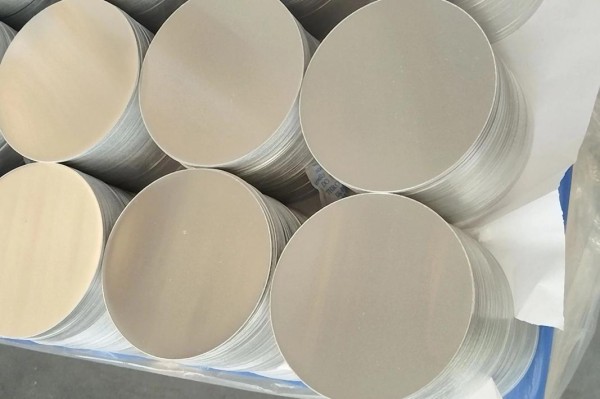
Eigenschaften des Aluminiumkreises:
Aluminiumkreis ist für viele Märkte geeignet, inklusive Kochgeschirr, Automobil- und Beleuchtungsindustrie, usw., dank guter Produkteigenschaften:
- Geringe Anisotropie, was das Tiefziehen erleichtert
- Starke mechanische Eigenschaften
- Hohe und homogene Wärmeverteilung
- Emaillierbar, mit PTFE überzogen (oder andere), eloxiert
- Gutes Reflexionsvermögen
- Hohes Verhältnis von Festigkeit zu Gewicht
- Haltbarkeit und Korrosionsbeständigkeit
Aluminiumkreisprozess
Barren/Vorlegierungen — Schmelzofen – Warmhalteofen — D.C. Zauberer — Platte —- Scalper — Warmwalzwerk – Kaltwalzwerk – Stanzen – Glühofen — Endkontrolle – Verpackung — Lieferung
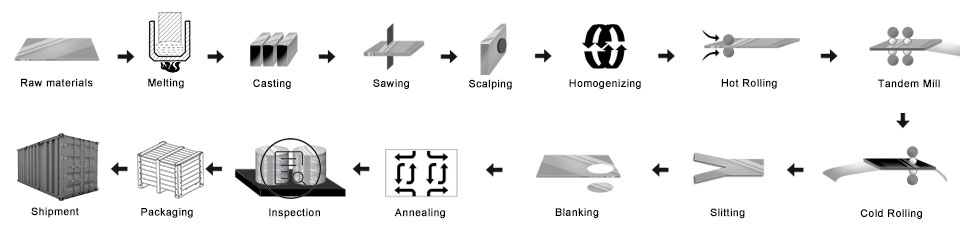
- Bereiten Sie die Vorlegierungen vor
- Schmelzofen: Geben Sie die Legierungen in den Schmelzofen
- Gleichstromguss-Aluminiumbarren: Um den Mutterbarren herzustellen
- Fräsen Sie den Aluminiumbarren: um die Oberfläche und die Seite glatt zu machen
- Heizofen
- Warmwalzwerk: machte die Mutterspule
- Kaltwalzwerk: Die Mutterspule wurde in der Dicke gewalzt, die Sie kaufen möchten
- Stanzvorgang: Werden Sie zu der Größe, die Sie wollen
- Glühofen: die Stimmung ändern
- Endkontrolle
- Verpackung: Holzkiste oder Holzpalette
- Lieferung
Qualitätskontrolle
Sicherheit Die nachstehende Prüfung wird in der Produktion durchgeführt.
- A. Strahlenerkennung—RT;
- B. Ultraschallprüfung—UT;
- C. Magnetpulverprüfung-MT;
- D. Penetrationstests-PT;
- e. Wirbelstrom-Fehlererkennung-ET
1) Seien Sie frei von Ölflecken, Delle, Aufnahme, Kratzer, Fleck, Oxidverfärbung, Pausen, Korrosion, Rollspuren, Schmutzstreifen, und andere Mängel, die die Nutzung beeinträchtigen.
2) Oberfläche ohne schwarze Linie, sauber geschnitten, periodischer Fleck, Mängel beim Walzendruck, wie andere GKO-interne Kontrollstandards.
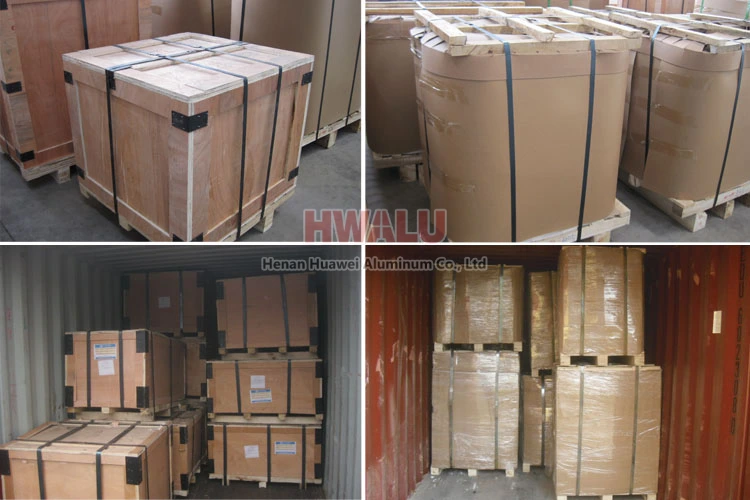
Verpackung mit Aluminiumscheiben:
Aluminiumkreise können nach Exportstandards verpackt werden, Mit braunem Papier und Plastikfolie abdecken. Endlich, Das Aluminium Round wird auf einer Holzpalette/Holzkiste befestigt.
- Stellen Sie die Trockner neben den Aluminiumkreis, Halten Sie die Produkte trocken und sauber.
- Verwenden Sie sauberes Plastikpapier, Packen Sie den Aluminiumkreis ein, Halten Sie eine gute Abdichtung.
- Verwenden Sie das Schlangenlederpapier, Packen Sie die Oberfläche des Plastikpapiers ein, Halten Sie eine gute Abdichtung.
- Nächste, Es gibt zwei Arten der Verpackung: Eine Möglichkeit ist die Verpackung auf Holzpaletten, Verwenden Sie das krustige Papier, um die Oberfläche zu verpacken; Eine andere Möglichkeit ist die Verpackung in Holzkisten, Verwenden Sie die Holzkiste, um die Oberfläche zu verpacken.
- Endlich, Legen Sie das Stahlband auf die Oberfläche der Holzkiste, Halten Sie die Holzkiste fest und sicher.
Aluminiumkreis aus Henan Huawei Aluminium. den Exportstandard erfüllen. Kunststofffolie und braunes Papier können je nach Kundenwunsch abgedeckt werden. Was mehr ist, Zum Schutz der Produkte vor Beschädigungen während der Lieferung wird eine Holzkiste oder eine Holzpalette verwendet. Es gibt zwei Arten von Verpackungen, die Auge zur Wand oder Auge zum Himmel sind. Kunden können aus Bequemlichkeit zwischen beiden Optionen wählen. Allgemein gesprochen, es gibt 2 Tonnen in einem Paket, und laden 18-22 Tonnen im 1×20′-Container, Und 20-24 Tonnen im 1×40′-Container.
Warum sollten Sie sich für uns entscheiden??
Um mit der Zeit zu gehen, HWALU führt weiterhin modernste Ausrüstung und Technik ein, um seine Wettbewerbsfähigkeit zu verbessern. Halten Sie sich stets an die Geschäftsphilosophie, dass Qualität im Mittelpunkt steht und der Kunde an erster Stelle steht, um die Produkte der Aluminium-Disc-Circle-Serie in höchster Qualität in alle Teile der Welt zu liefern. Mehr …