কুকওয়্যার উত্পাদনের জন্য টেম্পার নির্বাচন বোঝা: কিভাবে O, H12, এবং H14 অ্যালুমিনিয়াম সার্কেল টেম্পারস প্রভাব কার্যক্ষমতা এবং অ্যানিলিং এর ভূমিকা
1. ভূমিকা
গ্লোবাল কুকওয়্যার শিল্প ক্রমবর্ধমানভাবে অ্যালুমিনিয়াম বৃত্তের উপর নির্ভর করে একটি মূল গঠনকারী উপাদান হিসাবে তাদের চমৎকার তাপ পরিবাহিতার কারণে, মাঝারি শক্তি, গঠনযোগ্যতা, এবং কম ঘনত্ব. যেহেতু কুকওয়্যার আরও শক্তি-দক্ষের দিকে চলে যায়, লাইটওয়েট, এবং টেকসই ডিজাইন, নির্মাতারা সম্পর্কে অবগত সিদ্ধান্ত নিতে হবে মেজাজ অবস্থা স্ট্যাম্পিং ব্যবহৃত অ্যালুমিনিয়াম বৃত্ত, স্পিনিং, গভীর অঙ্কন, এবং প্রভাব এক্সট্রুশন প্রক্রিয়া.
মধ্যে নির্বাচন হে মেজাজ (annealed), H12 (¼ কঠিন), এবং H14 (½ শক্ত) নিছক যান্ত্রিক শক্তির বিষয় নয়-এটি প্রভাবিত করে:
- গভীর ড্র এবং স্পিন গঠনের সময় গঠনমূলক আচরণ
- রান্নার পাত্রের চূড়ান্ত কঠোরতা এবং অনমনীয়তা
- উচ্চ বিকৃতির সময় ক্র্যাক প্রতিরোধের
- পৃষ্ঠ গুণমান এবং anodizing প্রতিক্রিয়া
- পরবর্তী প্রক্রিয়ার সময় মাত্রিক স্থায়িত্ব
- উত্পাদন ফলন এবং টুলিং খরচ
উপরন্তু, দ্য অ্যানিলিং প্রক্রিয়া, আংশিক কিনা, মধ্যবর্তী, বা সম্পূর্ণ annealing, শস্য গঠন নির্ধারণ করে, যান্ত্রিক সামঞ্জস্য, অবশিষ্ট চাপের মাত্রা, এবং চূড়ান্ত পণ্যের গুণমান.
এই নিবন্ধটি গভীরভাবে ডুব দেয় অ্যালুমিনিয়াম বৃত্ত রান্নার পাত্রের জন্য মেজাজ নির্বাচন, বাস্তব উত্পাদন পরিবেশে বিভিন্ন মেজাজ কীভাবে আচরণ করে এবং কীভাবে অ্যানিলিং কৌশলগুলি যান্ত্রিক কর্মক্ষমতাকে আকার দেয় তা অন্বেষণ করা. এটি নির্মাতাদের জন্য একটি সম্পূর্ণ ইঞ্জিনিয়ারিং-ভিত্তিক বিশ্লেষণ প্রদান করে, উপাদান প্রসেসর, এবং রান্নাঘরের ডিজাইনার.

2. কুকওয়্যারের জন্য অ্যালুমিনিয়াম সার্কেল টেম্পারগুলির ওভারভিউ
অ্যালুমিনিয়াম টেম্পারগুলি স্ট্রেন শক্ত হওয়ার সংমিশ্রণকে প্রতিনিধিত্ব করে, annealing, এবং নিয়ন্ত্রিত যান্ত্রিক প্রক্রিয়াকরণ. রান্নার জিনিসপত্র উৎপাদনের জন্য, সর্বাধিক ব্যবহৃত মেজাজ শর্ত অন্তর্ভুক্ত:
2.1 হে টেম্পার (নরম অ্যানিলেড)
- সর্বাধিক স্নিগ্ধতা অর্জনের জন্য সম্পূর্ণরূপে annealed
- সর্বনিম্ন যান্ত্রিক শক্তি
- সর্বোচ্চ প্রসারণ এবং গঠনযোগ্যতা
- শস্য গঠন সম্পূর্ণরূপে recrystallized
- জন্য আদর্শ গভীর অঙ্কন, স্পিনিং, এবং উচ্চ-বিকৃতি কুকওয়্যার
2.2 H12 টেম্পার (কোয়ার্টার-হার্ড স্ট্রেন শক্ত)
- নিয়ন্ত্রিত কোল্ড রোলিং মাধ্যমে উত্পাদিত
- মাঝারি শক্তি
- মাঝারি প্রসারণ
- অনমনীয়তা এবং গঠনযোগ্যতার মধ্যে ভাল ভারসাম্য
- প্রায়ই ব্যবহৃত হয় অগভীর অঙ্কন, মাঝারি-গভীর প্যান, lids, এবং ডিস্ক
2.3 H14 টেম্পার (হাফ-হার্ড স্ট্রেন শক্ত করা)
- সম্পূর্ণ annealing ছাড়া স্ট্রেন শক্ত হয়ে যাওয়া বৃদ্ধি
- উচ্চ শক্তি
- নিম্ন নমনীয়তা
- জন্য উপযুক্ত কম বিকৃতির রান্নার পাত্র, যেমন:
- অগভীর বেকিং ট্রে
- সমতল ঢাকনা
- প্রেস-গঠিত প্লেট
- O এবং H12 এর চেয়ে ভাল দৃঢ়তা প্রয়োজন উপাদান
এই মেজাজের পার্থক্যগুলি সরাসরি কুকওয়্যারের উত্পাদনযোগ্যতা এবং শেষ-ব্যবহারের কার্যকারিতা নির্ধারণ করে.
3. O এর যান্ত্রিক সম্পত্তি তুলনা, H12, এবং H14 অ্যালুমিনিয়াম বৃত্ত
নীচের সারণীটি সাধারণীকৃত যান্ত্রিক মান প্রদান করে 1050, 1060, বা 3003 অ্যালুমিনিয়াম চেনাশোনা ব্যাপকভাবে cookware উত্পাদন ব্যবহৃত. (মান সরবরাহকারী দ্বারা পরিবর্তিত হতে পারে কিন্তু দিকনির্দেশকভাবে সামঞ্জস্যপূর্ণ থাকে।)
| মেজাজ |
প্রসার্য শক্তি (এমপিএ) |
উত্পাদন শক্তি (এমপিএ) |
প্রসারণ (%) |
গঠনযোগ্যতা |
সাধারণ ব্যবহার |
| ও |
60-95 |
20-35 |
30-45 |
চমৎকার (গভীর অঙ্কন) |
হাঁড়ি, কেটলস, গভীর প্যান |
| H12 |
85-120 |
70-95 |
18-30 |
ভাল |
প্যানস, অগভীর রান্নার পাত্র, lids |
| H14 |
120-150 |
95-130 |
9-18 |
মাঝারি থেকে কম |
ট্রে, বেকিং মাল, প্রেস-গঠিত অংশ |
মূল গ্রহণ:
মেজাজ যত কম (ও), উচ্চতর নমনীয়তা, এটি ভারী গঠনের জন্য উপযুক্ত করে তোলে. উচ্চ মেজাজ (H12, H14) বিকৃতি ক্ষমতার চেয়ে অনমনীয়তা এবং আকৃতি ধারণকে অগ্রাধিকার দিন.
4. বিভিন্ন ধরণের কুকওয়্যারের জন্য কীভাবে সঠিক মেজাজ নির্বাচন করবেন
এই বিভাগটি প্রকৃত উৎপাদন অবস্থার উপর ভিত্তি করে একটি গভীর প্রকৌশল বিশ্লেষণ প্রদান করে.
4.1 ডিপ-ড্র কুকওয়্যারের জন্য টেম্পার নির্বাচন
গভীর অঙ্কন হল সবচেয়ে বিকৃতি-নিবিড় কুকওয়্যার প্রক্রিয়া, বিশেষ করে যেমন আইটেম জন্য:
- স্টক পাত্র
- স্যুপের পাত্র
- প্রেসার কুকার লাইনার
- কেটলস
- বড় বাটি
- ক্যাসারোল
প্রস্তাবিত মেজাজ: হে মেজাজ
যুক্তি:
- উচ্চ প্রসারণ ক্র্যাকিং প্রতিরোধ করে
গভীর অঙ্কন চরম ক্ষেত্রে 35-50% বেধ কমাতে পারে. শুধুমাত্র ও মেজাজ এই ধরনের বিকৃতি থেকে বেঁচে থাকার জন্য যথেষ্ট শস্য কোমলতা প্রদান করে.
- অভিন্ন প্রাচীর পাতলা
সম্পূর্ণরূপে অ্যানিলড মাইক্রোস্ট্রাকচার ডাই ব্যাসার্ধে ধাতু প্রবাহকে উন্নত করে.
- নিম্ন গঠন লোড
ও মেজাজ মেশিন টনেজ প্রয়োজনীয়তা হ্রাস করে এবং টুলিং জীবন দীর্ঘায়িত করে.
- মাল্টি-স্টেজ গভীর অঙ্কনের জন্য সেরা
বেশিরভাগ ডিপ কুকওয়্যারের জন্য 2-5টি অঙ্কন ধাপ প্রয়োজন; হে মেজাজ এটি নির্ভরযোগ্যভাবে পরিচালনা করে.
উপসংহার:
যখন অঙ্কন অনুপাত অতিক্রম 2.0, হে মেজাজ বাধ্যতামূলক.
4.2 স্পিন-গঠিত কুকওয়্যারের জন্য টেম্পার নির্বাচন
স্পিন গঠন (ম্যানুয়াল বা সিএনসি) যেমন রান্নার পাত্র উত্পাদন করে:
- Wok শাঁস
- গোল ফ্রাই প্যান
- স্টিমার শেল
- রান্নার হাঁড়ি
প্রস্তাবিত মেজাজ: O বা আংশিকভাবে annealed উপাদান
কেন:
- স্পিনিংয়ের জন্য উচ্চ নমনীয়তা এবং ঘূর্ণনশীল স্ট্রেনের প্রতিরোধের প্রয়োজন.
- স্থানীয়ভাবে পাতলা করা অনিবার্য; উপাদান প্রসার্য এবং কম্প্রেসিভ চাপ সহ্য করতে হবে.
- খুব কঠিন (H14) প্রান্ত ক্র্যাকিং এবং দুর্বল spinability বাড়ে.
- H12 হালকা স্পিনিংয়ের জন্য কাজ করতে পারে কিন্তু জটিল জ্যামিতির জন্য আদর্শ নয়.
ফলাফল:
ও মেজাজ উচ্চ-নির্ভুল স্পিন গঠনের জন্য সবচেয়ে উপযুক্ত.

4.3 শ্যালো-ড্র কুকওয়্যারের জন্য টেম্পার নির্বাচন
অগভীর cookware অন্তর্ভুক্ত:
- ফ্রাইং প্যান
- নাড়া-ভাজা পাশ
- অগভীর lids
- মাঝারি-গভীর বাটি
সেরা মেজাজ: H12
কেন H12 ভাল কাজ করে:
- উচ্চতর দৃঢ়তা গঠনের পরে কুকওয়্যার আকৃতি বজায় রাখে.
- পর্যাপ্ত নমনীয়তা ক্র্যাকিং ছাড়া অগভীর অঙ্কন সমর্থন করে.
- ছাঁটাই এবং riveting প্রক্রিয়ার সময় উন্নত মাত্রিক স্থায়িত্ব.
4.4 প্রেস-ফর্মড বা স্ট্যাম্পড কুকওয়্যারের জন্য টেম্পার নির্বাচন
প্রেস ফর্মিং এর জন্য ব্যবহার করা হয়:
- বেকিং ট্রে
- প্লেট পরিবেশন
- পাই tins
- ডিশ কভার
- ফ্ল্যাট cookware উপাদান
এগুলির জন্য উচ্চ বিকৃতির পরিবর্তে আকৃতির দৃঢ়তা প্রয়োজন.
সেরা মেজাজ: H14
বৈশিষ্ট্য মেলে প্রক্রিয়া:
- উচ্চ দৃঢ়তা warping প্রতিরোধ করে
- সমতলতা বজায় রাখার জন্য যথেষ্ট শক্তি আছে
- ভাল স্ক্র্যাচ এবং প্রতিরোধের পরিধান
- একক-পদক্ষেপ স্ট্যাম্পিংয়ের জন্য উপযুক্ত
সতর্কতা:
গভীর বা মধ্য-গভীর কুকওয়্যারের জন্য উপযুক্ত নয়.
5. অ্যালুমিনিয়াম সার্কেল উৎপাদনে অ্যানিলিংয়ের ভূমিকা
অ্যানিলিং একটি গুরুত্বপূর্ণ ধাতব প্রক্রিয়া যা অ্যালুমিনিয়াম বৃত্তের প্রায় সমস্ত যান্ত্রিক বৈশিষ্ট্যকে প্রভাবিত করে. চূড়ান্ত কুকওয়্যার মান নিয়ন্ত্রণের জন্য অ্যানিলিং ভেরিয়েবল বোঝা অপরিহার্য.
5.1 অ্যানিলিং কি?
Annealing একটি নিয়ন্ত্রিত তাপ চিকিত্সা ব্যবহৃত হয়:
- অভ্যন্তরীণ চাপ দূর করুন
- নমনীয়তা পুনরুদ্ধার করুন
- শস্য গঠন বড় বা পরিমার্জিত
- পৃষ্ঠের সামঞ্জস্য উন্নত করুন
- গভীর গঠনের জন্য উপাদান প্রস্তুত করুন
সাধারণ annealing তাপমাত্রা: 350-450°C
সাধারণ হোল্ডিং সময়: 60-180 মিনিট, খাদ এবং বেধ উপর নির্ভর করে.
5.2 অ্যালুমিনিয়াম সার্কেল ম্যানুফ্যাকচারিং এ ব্যবহৃত অ্যানিলিং এর প্রকার
ক. সম্পূর্ণ অ্যানিলিং (হে টেম্পার)
- যান্ত্রিক বৈশিষ্ট্য পুনরায় সেট করে
- নরম অবস্থা তৈরি করে
- গভীর অঙ্কন এবং স্পিনিং জন্য ব্যবহৃত
খ. ইন্টারমিডিয়েট অ্যানিলিং
- রোলিং বা অঙ্কন পর্যায়ে প্রয়োগ করা হয়
- শক্ত হওয়ার হার নিয়ন্ত্রণ করে
- মাল্টি-স্টেজ গঠনে ক্র্যাকিং প্রতিরোধ করে
গ. আংশিক অ্যানিলিং
- উপাদান softens কিন্তু সম্পূর্ণরূপে recrystallize না
- O এবং H12 এর মধ্যে মেজাজ তৈরি করে
- গঠনযোগ্যতা এবং শক্তির ভারসাম্য বজায় রাখে
ডি. স্থিরকরণ অ্যানিলিং
- কোল্ড রোলিং থেকে জমে থাকা অবশিষ্ট স্ট্রেস দূর করে
- মাত্রিক স্থিতিশীলতা বাড়ায়
- উচ্চ-তাপমাত্রা ব্যবহার করে এমন কুকওয়্যারের জন্য গুরুত্বপূর্ণ (200°C+)
5.3 অ্যালুমিনিয়াম সার্কেল কর্মক্ষমতা উপর annealing প্রভাব
5.3.1 শস্য গঠন
সম্পূর্ণ annealing ফলাফল:
- ইকুয়েক্সড, অভিন্ন শস্য
- উন্নত নমনীয়তা
- বর্ধিত গভীর ড্র ক্ষমতা
- কমলার খোসার পৃষ্ঠের ত্রুটিগুলি হ্রাস করা হয়েছে
অপর্যাপ্ত annealing উত্পাদন:
- মিশ্র শস্য আকার
- নিম্ন প্রসারণ
- ফাটল হওয়ার ঝুঁকি
5.3.2 অবশিষ্ট স্ট্রেস উপশম
অবশিষ্ট চাপ প্রভাবিত করতে পারে:
- নির্ভুলতা গঠন
- Cookware বেধ বিতরণ
- মুদ্রাঙ্কন সময় warping
- টুল পরিধান
অ্যানিলিং রোলিংয়ের সময় জমে থাকা অভ্যন্তরীণ চাপগুলিকে সরিয়ে দেয়.
5.3.3 পৃষ্ঠ গুণমান এবং Anodizing প্রতিক্রিয়া
ভাল annealing নিশ্চিত:
- ব্যান্ডিং ছাড়া মসৃণ পৃষ্ঠ
- আরও ভাল অ্যানোডাইজিং রঙের সামঞ্জস্য
- পিনহোলের ঝুঁকি হ্রাস
- গভীর অঙ্কনের সময় "কান" হওয়ার ঝুঁকি কম
5.3.4 যান্ত্রিক সামঞ্জস্য
নিয়ন্ত্রিত annealing সঙ্গে:
- বৃত্ত জুড়ে কঠোরতার তারতম্য ±5 HB এর নিচে নেমে আসে
- অঙ্কন টনেজ অনুমানযোগ্য হয়
- উৎপাদন ফলন বৃদ্ধি পায়
- টুল সমন্বয় ফ্রিকোয়েন্সি হ্রাস
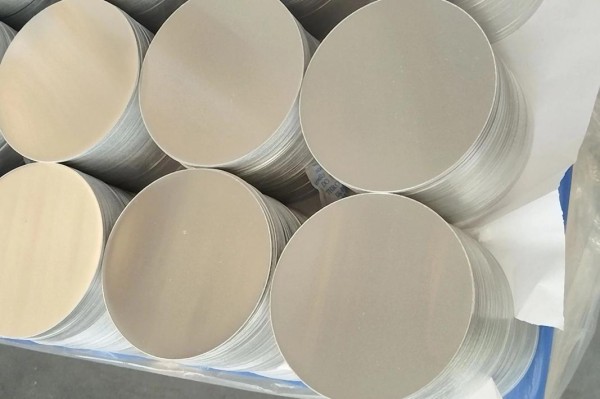
6. O তুলনা করা, H12, এবং ব্যবহারিক কুকওয়্যার উৎপাদনে H14
নীচে উপযুক্ত মেজাজ এবং অ্যানিলিং অবস্থার সাথে একটি বিস্তৃত ম্যাট্রিক্স ম্যাচিং কুকওয়্যার প্রকার রয়েছে.
| রান্নার পাত্রের ধরন |
প্রস্তাবিত মেজাজ |
কেন এটা কাজ করে |
অ্যানিলিং প্রয়োজন |
| গভীর পাত্র |
ও |
সর্বোচ্চ নমনীয়তা |
সম্পূর্ণ annealing |
| ওক্স |
ও |
স্পিনিংয়ের জন্য প্রয়োজন |
সম্পূর্ণ/আংশিক অ্যানিলিং |
| প্রেসার কুকারের ভেতরের পাত্র |
ও |
বহু-পদক্ষেপ গভীর অঙ্কন |
সম্পূর্ণ annealing |
| ফ্রাইং প্যান |
H12 |
কঠোরতা এবং গঠনের মধ্যে ভারসাম্য |
আংশিক বা মধ্যবর্তী |
| ঢাকনা |
H12 / H14 |
গভীরতার উপর নির্ভর করে |
আংশিক annealing |
| বেকিং ট্রে |
H14 |
উচ্চ অনমনীয়তা |
H14 ঘূর্ণায়মান পরে কোন annealing |
| পাতলা খাবার |
H14 |
আকৃতির নির্ভুলতা |
শুধুমাত্র স্ট্রেন-কঠিন |
7. গঠন আচরণের উপর অ্যানিলিং এর ধাতব প্রভাব
7.1 নমনীয়তা উন্নতি
annealed দানা দ্বারা প্রসারিত বৃদ্ধি 30%-60%, গভীর গঠনের জন্য গুরুত্বপূর্ণ.
7.2 ওয়ার্ক-হার্ডেনিং রিসেট
অ্যানিলিং ছাড়াই, অ্যালুমিনিয়াম চেনাশোনাগুলি ঘূর্ণায়মান করার সময় স্ট্রেন জমা করে → যা স্ট্যাম্পিংয়ের সময় কঠোরতা বৃদ্ধি এবং তাড়াতাড়ি ক্র্যাকিংয়ের দিকে পরিচালিত করে.
7.3 শস্য টেক্সচার নিয়ন্ত্রণ
অ্যানিলিং রোলিং টেক্সচার হ্রাস করে (পিতল এবং তামার উপাদান) এবং আইসোট্রপি উন্নত করে.
এটি হ্রাস করে:
- কানের হার
- ডাই ব্যাসার্ধে টিয়ারিং
- সারফেস ওয়েভিনেস
8. কেস স্টাডিজ: কীভাবে টেম্পার নির্বাচন রান্নার গুণমানকে প্রভাবিত করে
8.1 কেস স্টাডি 1: ডিপ পট ক্র্যাকিং সমস্যা
একটি প্রস্তুতকারক ব্যবহৃত H12 অ্যালুমিনিয়াম বৃত্ত গভীর স্যুপ পাত্র উত্পাদন. দ্বিতীয় ডিপ-ড্র স্টেজ চলাকালীন, ফাটল দেখা দিয়েছে.
মূল কারণ: অপর্যাপ্ত নমনীয়তা
সঠিক সমাধান: এ সুইচ করুন হে মেজাজ + সম্পূর্ণ annealing
8.2 কেস স্টাডি 2: বেকিং ট্রে মধ্যে warping
একটি কারখানা বেকিং ট্রে জন্য O টেম্পার ব্যবহার করে, দরিদ্র দৃঢ়তা এবং পোস্ট ফর্ম waviness ফলে.
সঠিক সমাধান: এ সুইচ করুন H14 মেজাজ
8.3 কেস স্টাডি 3: Wok উৎপাদনে স্পিনিং এজ ফাটল
H14 চেনাশোনাগুলি ব্যবহার করে স্পিনিং ফোর্সের অধীনে প্রান্ত বিভক্ত হয়.
সঠিক সমাধান: নিয়ন্ত্রিত annealing বক্ররেখা সঙ্গে হে মেজাজ
9. কেন অ্যানিলিং কার্ভ যথার্থতা গুরুত্বপূর্ণ
আধুনিক অ্যালুমিনিয়াম সার্কেল প্ল্যান্টগুলি কম্পিউটার-নিয়ন্ত্রিত সহ নিয়ন্ত্রিত বায়ুমণ্ডল অ্যানিলিং চুল্লি ব্যবহার করে:
- গরম করার হার
- সময় ধরে রাখা
- শীতল হার
ভুল annealing কারণ হতে পারে:
- ওভারবার্নিং (শস্য অতিবৃদ্ধি)
- আন্ডার অ্যানিলিং (অতিরিক্ত কঠোরতা)
- দরিদ্র পৃষ্ঠ গ্লস
- অ-ইউনিফর্ম যান্ত্রিক বৈশিষ্ট্য
10. বিভিন্ন অ্যাপ্লিকেশনের জন্য প্রস্তাবিত অ্যানিলিং কার্ভ
10.1 গভীর অঙ্কন জন্য (ও-মেজাজ রান্নার পাত্র)
- 350-410°C
- 1-2 ঘন্টা ধরে রাখুন
- ধীর শীতল
- গোল: স্নিগ্ধতা সর্বাধিক করুন
10.2 অগভীর cookware জন্য (H12)
- 260-330°C
- 30-90 মিনিট ধরে রাখুন
- আংশিক পুনঃপ্রতিষ্ঠান
- ভারসাম্য কঠোরতা এবং নমনীয়তা
10.3 স্ট্যাম্পিং/বেকিং ট্রের জন্য (H14)
- কোন annealing প্রয়োজন (শুধুমাত্র যান্ত্রিক মেজাজ)

11. টেম্পার সিলেকশন এবং অ্যানিলিং টেকনোলজিতে ভবিষ্যৎ প্রবণতা
11.1 এআই-নিয়ন্ত্রিত চুল্লি
- খাদ বেধ উপর ভিত্তি করে ভবিষ্যদ্বাণীমূলক annealing
11.2 অতি উচ্চ অভিন্নতা annealing
- শস্যের গ্রেডিয়েন্ট কমায়
11.3 কাস্টমাইজড মেজাজ নকশা
- অপ্টিমাইজড কুকওয়্যার পারফরম্যান্সের জন্য O এবং H12 এর মধ্যে হাইব্রিড টেম্পার
12. উপসংহার
দক্ষ কুকওয়্যার উত্পাদনের জন্য সঠিক অ্যালুমিনিয়াম সার্কেল মেজাজ নির্বাচন করা অপরিহার্য.
সেরা পছন্দের সারসংক্ষেপ:
- গভীর অঙ্কন এবং স্পিনিং: হে মেজাজ
- মাঝারি-গভীর রান্নার পাত্র: H12
- সমতল বা অগভীর অংশ: H14
নিবন্ধটির মূল বিষয়-অ্যালুমিনিয়াম বৃত্ত রান্নার পাত্রের জন্য মেজাজ নির্বাচন- পণ্যের গুণমান নিশ্চিত করতে একটি নিষ্পত্তিমূলক ভূমিকা পালন করে, যান্ত্রিক সামঞ্জস্য, স্থিতিশীলতা গঠন, এবং উত্পাদন ফলন.
সঠিক annealing উন্নত:
- নমনীয়তা
- স্ট্রেস রিলিফ
- পৃষ্ঠের গুণমান
- শস্য অভিন্নতা
- ডিপ-ড্র পারফরম্যান্স
সঠিক মেজাজ পছন্দ এবং সুনির্দিষ্ট অ্যানিলিং এর সংমিশ্রণই রান্নার সামগ্রী প্রস্তুতকারকদের টেকসই উত্পাদন করতে সক্ষম করে, আকর্ষণীয়, সামঞ্জস্যপূর্ণ কর্মক্ষমতা সঙ্গে ত্রুটি-মুক্ত পণ্য.
অ্যালুমিনিয়াম বৃত্তের বৈশিষ্ট্য:
অ্যালুমিনিয়াম বৃত্ত অনেক বাজারের জন্য উপযুক্ত, রান্নার পাত্র সহ, স্বয়ংচালিত এবং আলো শিল্প, ইত্যাদি, ভাল পণ্য বৈশিষ্ট্য ধন্যবাদ:
- কম অ্যানিসোট্রপি, যা গভীর অঙ্কন সহজ করে
- শক্তিশালী যান্ত্রিক বৈশিষ্ট্য
- উচ্চ এবং সমজাতীয় তাপ বিস্তার
- Enameled করার ক্ষমতা, PTFE দ্বারা আচ্ছাদিত (বা অন্যদের), anodized
- ভাল প্রতিফলনশীলতা
- উচ্চ শক্তি-থেকে-ওজন অনুপাত
- স্থায়িত্ব এবং জারা প্রতিরোধের
অ্যালুমিনিয়াম চেনাশোনা প্রক্রিয়া
ইনগট/মাস্টার অ্যালয়েস — গলানো চুল্লি - চুল্লি ধরে রাখা — ডিসি. কাস্টার — স্ল্যাব —- Scalper — হট রোলিং মিল - কোল্ড রোলিং মিল - পাঞ্চিং - অ্যানিলিং ফার্নেস — চূড়ান্ত পরিদর্শন - প্যাকিং — ডেলিভারি
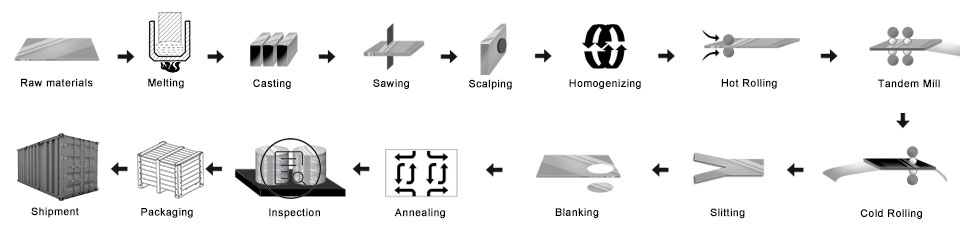
- মাস্টার alloys প্রস্তুত
- গলানোর চুল্লি: গলিত চুল্লি মধ্যে alloys রাখুন
- ডিসি কাস্ট অ্যালুমিনিয়াম ইনগট: মাকে পিণ্ড বানানোর জন্য
- অ্যালুমিনিয়াম ইনগট মিল: পৃষ্ঠ এবং পাশ মসৃণ করতে
- গরম করার চুল্লি
- হট রোলিং মিল: মাকে কুণ্ডলী বানিয়েছে
- ঠান্ডা ঘূর্ণায়মান কল: আপনি যে পুরুত্ব কিনতে চান তা হিসাবে মাদার কয়েল রোল করা হয়েছিল
- পাঞ্চিং প্রক্রিয়া: আপনি কি চান আকার হয়ে
- অ্যানিলিং চুল্লি: মেজাজ পরিবর্তন করুন
- চূড়ান্ত পরিদর্শন
- মোড়ক: কাঠের কেস বা কাঠের প্যালেট
- ডেলিভারি
মান নিয়ন্ত্রণ
আশ্বাস নীচে পরিদর্শন উত্পাদন করা হবে.
- ক. হেনান হুয়াওয়ে অ্যালুমিনিয়াম শিল্প অ্যালুমিনিয়াম সার্কেল রপ্তানি উত্পাদন—হেনান হুয়াওয়ে অ্যালুমিনিয়াম শিল্প অ্যালুমিনিয়াম সার্কেল রপ্তানি উত্পাদন;
- খ. হেনান হুয়াওয়ে অ্যালুমিনিয়াম শিল্প অ্যালুমিনিয়াম সার্কেল রপ্তানি উত্পাদন—হেনান হুয়াওয়ে অ্যালুমিনিয়াম শিল্প অ্যালুমিনিয়াম সার্কেল রপ্তানি উত্পাদন;
- গ. ম্যাগনেটিক পার্টিকেল টেস্টিং-এমটি;
- d. অনুপ্রবেশ পরীক্ষা-পিটি;
- e. এডি বর্তমান ত্রুটি সনাক্তকরণ-ইটি
1) তেলের দাগ থেকে মুক্ত থাকুন, ডেন্ট, অন্তর্ভুক্তি, আঁচড়, দাগ, অক্সাইড বিবর্ণতা, বিরতি, জারা, রোল মার্কস, ডার্ট স্ট্রিকস, এবং অন্যান্য ত্রুটি যা ব্যবহারে হস্তক্ষেপ করবে.
2) কালো রেখা ছাড়া পৃষ্ঠ, পরিষ্কার কাটা, পর্যায়ক্রমিক দাগ, রোলার প্রিন্টিং ত্রুটি, যেমন অন্যান্য gko অভ্যন্তরীণ নিয়ন্ত্রণ মান.
অ্যালুমিনিয়াম ডিস্ক প্যাকিং:
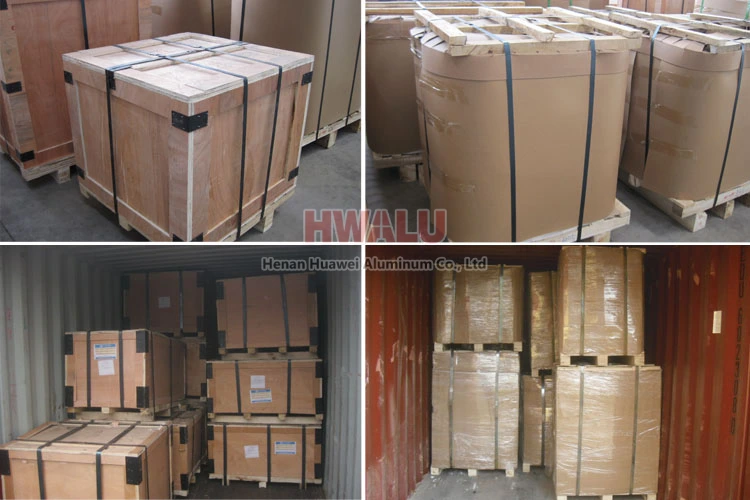
অ্যালুমিনিয়াম চেনাশোনা রপ্তানি মান দ্বারা প্যাক করা যেতে পারে, বাদামী কাগজ এবং প্লাস্টিকের ফিল্ম সঙ্গে আচ্ছাদন. অবশেষে, অ্যালুমিনিয়াম বৃত্তাকার একটি কাঠের তৃণশয্যা/কাঠের কেস উপর স্থির করা হয়.
- ড্রাইয়ারগুলিকে অ্যালুমিনিয়াম বৃত্তের পাশে রাখুন, পণ্য শুকনো এবং পরিষ্কার রাখুন.
- পরিষ্কার প্লাস্টিকের কাগজ ব্যবহার করুন, অ্যালুমিনিয়াম বৃত্ত প্যাক, ভাল sealing রাখা.
- সাপের চামড়ার কাগজ ব্যবহার করুন, প্লাস্টিকের কাগজের পৃষ্ঠটি প্যাক করুন, ভাল sealing রাখা.
- পরবর্তী, প্যাকেজিং দুটি উপায় আছে: এক উপায় হল কাঠের প্যালেট প্যাকেজিং, পৃষ্ঠ প্যাকিং crusty কাগজ ব্যবহার করে; আরেকটি উপায় কাঠের কেস প্যাকেজিং, পৃষ্ঠ প্যাকিং কাঠের কেস ব্যবহার করে.
- অবশেষে, হেনান হুয়াওয়ে অ্যালুমিনিয়াম শিল্প অ্যালুমিনিয়াম সার্কেল রপ্তানি উত্পাদন, কাঠের বাক্সের দৃঢ়তা এবং নিরাপদ রাখা.
হেনান হুয়াওয়ে অ্যালুমিনিয়ামের অ্যালুমিনিয়াম বৃত্ত. রপ্তানির মান পূরণ করুন. প্লাস্টিকের ফিল্ম এবং বাদামী কাগজ গ্রাহকদের প্রয়োজনে আচ্ছাদিত করা যেতে পারে. আর কিছু, একটি কাঠের কেস বা কাঠের প্যালেট প্রসবের সময় ক্ষতি থেকে পণ্য রক্ষা করার জন্য গৃহীত হয়. দুই ধরনের প্যাকেজিং আছে, যা দেয়ালে চোখ বা আকাশের দিকে চোখ. গ্রাহকরা তাদের সুবিধার জন্য তাদের যে কোন একটি বেছে নিতে পারেন. সাধারণভাবে বলতে, সেখানে 2 এক প্যাকেজে টন, এবং লোড হচ্ছে 18-22 1 × 20 ′ পাত্রে টন, এবং 20-24 1 × 40 ′ পাত্রে টন.
কেন আমাদের নির্বাচন করেছে?
সময়ের সাথে চলার জন্য, HWALU তার প্রতিযোগীতা উন্নত করতে অত্যাধুনিক সরঞ্জাম এবং কৌশল প্রবর্তন করে চলেছে. সর্বদা প্রথমে কেন্দ্র এবং গ্রাহক হিসাবে গুণমানের ব্যবসায়িক দর্শন মেনে চলুন, বিশ্বের সব অংশে সর্বোচ্চ মানের অ্যালুমিনিয়াম ডিস্ক সার্কেল সিরিজের পণ্য সরবরাহ করতে. আরও …