Teknik Analizi 1060 Aydınlatma Reflektörleri için Alüminyum Diskler – Ayna Parlatma Uyumluluğu ve Performans Avantajları
1. Giriş 1060 Aydınlatma Uygulamalarında Alüminyum Diskler
Ticari LED armatürlerden otomotiv lambalarına ve mimari aydınlatmaya kadar küresel aydınlatma endüstrisinin hızla genişlemesiyle birlikte, hafif ışık talebi, yüksek yansıtma, şekillendirilebilir metal malzemeler önemli ölçüde arttı. Alüminyum, düşük yoğunluğundan dolayı reflektörler için tercih edilen alt tabaka haline gelmiştir., korozyon direnci, maliyet etkinliği, ve yüzey işleme prosesleriyle güçlü uyumluluk.
Çeşitli alüminyum kaliteleri arasında, 1060 alüminyum reflektör diskleri Reflektör imalatı segmentinde kendilerini farklılaştırdılar. Onların saflığı (≥99.6%), mükemmel süneklik, ve yüksek parlaklıkta ayna kaplama yeteneği, bunların yaygın olarak benimsenmesini sağlar.:
- LED aydınlatma reflektörleri
- Enerji tasarruflu lamba reflektörleri
- Sahne ve stüdyo aydınlatması
- Otomotiv iç aydınlatma bardakları
- Dekoratif yansıtıcı paneller
- Ticari ve endüstriyel armatürler
Alaşımın yumuşaklığı ve yüksek yansıtma özelliği, işlenebilirlik ve optik performans arasında benzersiz bir denge sağlar. Bu makale, bunun nedenine ilişkin derinlemesine bir teknik inceleme sunmaktadır. 1060 alüminyum reflektör diskleri ayna cilalı aydınlatma reflektörleri için tercih edilen seçimdir ve diğer metalik yüzeylerden nasıl daha iyi performans gösterirler.

2. Malzeme Bileşimi ve Metalurjik Özellikleri 1060 Alaşım
2.1 Kimyasal Bileşimi ve Saflık Seviyesi
1060 alaşım 1xxx serisi dövme alüminyum grubuna aittir, olağanüstü yüksek saflığıyla tanınır. Tipik bileşimi şunları içerir::
- Alüminyum (Al): ≥ 99.6%
- Diğer unsurlar: ≤ 0.4% (esas olarak Si, Fe, Cu, MN, Zn, İle ilgili)
Bu saflık seviyesi şunu sağlar::
- Mükemmel elektriksel ve termal iletkenlik
- Polisaj öncesi ve sonrası yüksek yansıtma
- Üstün korozyon direnci
- Derin çekme ve eğirmeye uygun yüksek süneklik
Önemli alaşım elementlerinin bulunmaması iç kafes distorsiyonunu azaltır, ayna kaplama için kritik olan daha pürüzsüz bir taban yüzeyi sağlar.
2.2 Reflektör İmalatına İlişkin Mekanik Özellikler
Temel mekanik avantajlar şunları içerir::
| Mülk |
Tipik Değer |
| Gerilme direnci |
60–95 MPa |
| Uzama |
25–5 |
| Sertlik (HB) |
20–30 |
| Verim gücü |
20–45 MPa |
| Yoğunluk |
2.71 g/cm³ |
Bu özellikler, reflektör uygulamalarına doğrudan fayda sağlayarak:
- Çatlamadan derin çekme
- Pürüzsüz eğirme ve damgalama
- Parabolik veya konik reflektör geometrilerinde kararlı şekillendirme
- Kolay düzeltme, delme, ve lazer kesim
Mekanik yumuşaklığı elde etme yeteneğini artırır yüksek hassasiyetli yansıtıcı yüzeyler.
3. Neden 1060 Alüminyum Aydınlatma Reflektörleri İçin İdealdir
3.1 Diğer Alaşımlarla Karşılaştırıldığında Üstün Yansıtma
Doğal yansıma 1060 alüminyum tipik olarak ulaşır ≥86%, ve polisaj işlemlerinden sonra, aşabilir 90–95%, bitirme yöntemine bağlı olarak. Daha yüksek Si veya Mg içeriğine sahip alaşımların aksine (E.G., 5xxx veya 6xxx serisi), 1060 nedeniyle optik saflığı korur:
- minimal intermetalik parçacıklar
- tane sınırlarında daha düşük saçılma
- haddeleme sonrasında yüksek yüzey düzgünlüğü
Daha yüksek yansıtma sağlar:
- artan ışık çıkışı
- düzgün ışın dağılımı
- LED ve CFL aydınlatma için geliştirilmiş parlaklık
- azaltılmış optik kayıp
3.2 Karmaşık Reflektör Geometrisi için Mükemmel Şekillendirilebilirlik
Işık reflektörleri genellikle derin çizim gerektirir:
- konik kabuklar
- parabolik kaseler
- yarı eliptik kaplar
- çok açılı yönlü reflektörler
1060 Alüminyumun uzaması ve sünekliği, herhangi bir işlem gerektirmeden şekillendirmeye olanak sağlar.:
- kırışma
- yırtılma
- portakal kabuğu deformasyonu
- yüzey çatlaması
Bu, eğirme ve damgalama işlemleri kullanılarak reflektör üretiminde özellikle değerlidir.
3.3 Diğer Aydınlatma Metallerine Göre Maliyet Avantajı
Paslanmaz çelikle karşılaştırıldığında, bakır, veya 5xxx/6xxx alaşımları, 1060 sağlar:
- daha düşük hammadde maliyeti
- daha kolay şekillendirme işlemleri
- azaltılmış takım aşınması
- daha düşük parlatma maliyeti
- geliştirilmiş üretim verimliliği
Bu faktörler aydınlatma üreticilerinin seri üretim masraflarını önemli ölçüde azaltıyor.
4. Ayna Parlatma Performansı 1060 Alüminyum Reflektör Diskleri
4.1 Neden 1060 Alaşım Son Derece İyi Cilalar
Ayna kaplama, kusurlardan ve tanecik süreksizliklerinden arınmış bir yüzey gerektirir. Yüksek saflıkta matris 1060 alaşım sağlar:
- küçük, düzgün taneler
- düşük katılım yoğunluğu
- minimal karbür veya oksit parçacıkları
- yuvarlandıktan sonra tutarlı doku
Bu mikroyapısal tutarlılık, alaşımın aşağıdaki özelliklere ulaşmasını sağlar::
- parlak ayna yansıması
- net görüntüleme kalitesi
- Parlatma sonrasında pürüzsüz yüzey dokuları
4.2 Uygun Ayna Kaplama Çeşitleri 1060 Diskler
(1) Mekanik Parlatma
Aşındırıcı tekerleklerin kullanılması, parlatma pedleri, ve bileşikler, mekanik parlatma verimi:
- 500–700 GU parlaklık seviyeleri
- son derece kararlı yansıtma
- dekoratif veya standart endüstriyel reflektörler için idealdir
(2) Parlak Tavlama
Kontrollü bir hidrojen atmosferi altında tavlama,:
- geliştirilmiş yüzey tesviyesi
- geliştirilmiş yansıma
- azaltılmış mikro kusurlar
(3) Kimyasal Parlatma
Bir üniforma yaratır, ile parlak yüzey:
- azaltılmış pürüzlülük (<0.5 μm)
- oksidasyonsuz son işlem
- minimum yapısal hasar
(4) Elektrokimyasal (Elektro parlatma) Tedavi
En yüksek ayna kalitesini sağlar:
- son derece pürüzsüz nano düzeyde yüzey
- kadar yansıtma 95%
- uzun vadeli oksidasyon azaltımı
- geliştirilmiş korozyon direnci
4.3 Aydınlatma Reflektörleri için Ayna Derecesi Seviyeleri
Reflektör üreticileri genellikle şunları belirtir::
| Seviye |
Yansıtıcılık |
Başvuru |
| Ayna sınıfı A |
> 90% |
NEDEN OLMUŞ / üst düzey aydınlatma |
| Ayna sınıfı B |
86–90% |
Standart lambalar, dekor |
| Yaygın ayna |
75–85% |
Yumuşak aydınlatma, ortam tasarımı |
1060 alüminyum, işleme bağlı olarak her üç kategoriyi de karşılama kapasitesine sahiptir.

5. Üretim Süreçleri 1060 Alüminyum Reflektör Diskleri
5.1 Sıcak ve Soğuk Haddeleme
Folyo veya levha tipik olarak aşağıdaki kalınlıklara yuvarlanır: 0.3–1,5 mm, istikrarlı olmasını sağlamak:
- düzlük
- çekme özellikleri
- tane yönelimi
5.2 Daire Boşaltma
Bilgisayar kontrollü zımba presleri, sıkı toleranslara sahip diskler oluşturur.:
- çap yuvarlaklığı
- çapaksız kenarlar
- tutarlı verim kontrolü
5.3 Derin Çekme ve Eğirme
Bu işlemler diskleri reflektörlere dönüştürüyor. 1060 alaşım sağlar:
- düzgün duvar kalınlığı
- yüksek çekme oranları
- cilalamaya uygun pürüzsüz yüzeyler
5.4 Yüzey İşlem ve Koruyucu Kaplama
Son adımlar şunları içerir::
- ayna parlatma
- Eloksal
- koruyucu film laminasyonu
- oksidasyon önleyici kaplama
Bu adımlar optik kaliteyi ve uzun süreli dayanıklılığı garanti eder.
6. Uygulama Alanları 1060 Alüminyum Reflektör Diskleri
6.1 LED İç ve Dış Aydınlatma
Şunun için idealdir::
- LED tavan ışıkları
- Tavan ışıkları
- Projektör reflektörleri
- Tünel aydınlatma reflektörleri
Yüksek yansıtma, güç tüketimini artırmadan lümen çıkışını artırır.
6.2 Otomotiv İçi ve Dekoratif Reflektörler
Geçerli:
- gösterge paneli ortam aydınlatması
- okuma lambaları
- kubbe aydınlatma sistemleri
Ayna cilalı 1060 alüminyum birinci sınıf bir görünüm sunar.
6.3 Sahne Aydınlatması ve Fotoğrafçılığı
Sahne reflektörleri gerektirir:
- yüksek ışık verimliliği
- doğru ışın şekillendirme
- cilalı iç yüzeyler
Alaşım optik tutarlılıkta olağanüstü performans gösterir.
6.4 Güneş Reflektör Panelleri
Ayna cilalandığında, 1060 alüminyum için kullanılır:
- güneş yoğunlaştırıcıları
- reflektör olukları
- taşınabilir güneş ocakları
Yansıtıcılığı termal ve optik dönüşüm verimliliğini artırır.
6. Ayna Parlatma Teknolojileri 1060 Alüminyum Reflektörler
Ayna parlatma, standardı dönüştüren temel katma değerli adımdır 1060 alüminyum diskleri yüksek performanslı reflektör bileşenlerine dönüştürür. Çünkü aydınlatma verimliliği büyük oranda yansıma kalitesine bağlıdır., parlatma işlemi reflektörün optik davranışını belirler, dayanıklılık, ve görünüş. Aşağıda ayna seviyesinde yüzeyler elde etmek için kullanılan ana endüstriyel teknikler yer almaktadır. 1060 alüminyum diskler.
6.1 Mekanik Parlatma
Mekanik parlatma, alüminyum reflektörler için en eski ve en yaygın olarak uygulanan tekniktir.. Aşındırıcı temas ve basınç yoluyla yüzey kusurlarını giderir.
Avantajları
- Düşük maliyetli ve yüksek hacimli üretime uygun
- Aynaya yakın parlaklık elde etme kapasitesi (Ra 0,01–0,02 mikron)
- Eloksallama gibi sonraki adımlar için yüzey homojenliğini artırır
Sınırlamalar
- Yüzey tutarlılığı operatörün becerisine bağlıdır
- İnce çizikleri tamamen ortadan kaldırmak zor
- Son derece yüksek hassasiyetli optik aydınlatma uygulamaları için uygun değildir
Mekanik parlatma genellikle maliyete duyarlı tüketici aydınlatma ürünlerinde kullanılır., küçük ev aletleri, ve mimari reflektörler.
6.2 Kimyasal Parlatma
Kimyasal parlatma asidik çözeltiler kullanır (tipik olarak fosfor bazlı) Mikro pürüzlülüğü çözmek ve pürüzsüz bir yüzey oluşturmak için, parlak yüzey.
Teknik Faydalar
- Son derece düzgün kaplama, mekanik çizik yok
- Karmaşık şekiller ve derin çekilmiş reflektörler için uygundur
- Yansıtıcılığı artırır 1060 aluminum up to 82–85%
Uygulama Senaryoları
- LED ticari aydınlatma armatürleri
- Otomotiv iç vurgu reflektörleri
- Takım tezgahlarının erişemediği büyük kavisli reflektörler
Kimyasal cilalama, yoğun iş gücü gerektirmeden tutarlı ayna parlaklığına ulaşma kabiliyeti nedeniyle değerlidir.
6.3 Elektrolitik Parlatma (Elektro parlatma)
Elektrolitik cilalama, kimyasal cilalamanın daha gelişmiş bir versiyonudur.. Bir elektrik alanı altında, Mikro zirveler mikro vadilerden daha hızlı çözünür, son derece pürüzsüz bir yüzey üretir.
Performans Avantajları
- Son derece düşük pürüzlülük (Ra ≤ 0.005 μm)
- Parlaklık ve netlik krom kaplamaya rakip oluyor
- Gömülü döküntüleri yuvarlama veya damgalamadan temizler
- Ayna kalitesinde eloksal için en iyi temeli sağlar
Neden Üst Düzey Reflektörlere Uyuyor?
Elektro parlatma tercih edilen seçimdir:
- Otomotiv farları
- Yüksek güçlü LED endüstriyel aydınlatma
- Film ve sahne aydınlatma reflektörleri
- Hassas optik yansıma gerektiren tıbbi ekipman
Elektro-parlatma yükseltir 1060 genel yansıtıcı bileşenlerden birinci sınıf optik sınıf reflektörlere kadar alüminyum diskler.
6.4 Ayna Eloksal
Parlatmadan sonra, anotlama yüzey sertliğini ve optik yansımayı artırır. İçin 1060 alüminyum diskler, elektrolitik parlatma ve ardından anotlama, sağlam ve korozyona dayanıklı bir reflektör katmanı oluşturur.
Temel Özellikler
- Reflectivity up to 86–90%
- Sertlik 250–350 HV'ye yükseltildi
- Kalıcı yüzey koruması
- Gümüş rengi mevcuttur, şampanya, veya dekoratif renkler
Ayna anotlaması, uzun ömür gerektiren aydınlatma reflektörleri için nihai son işlem adımıdır, hava koşullarına dayanıklılık, ve güçlü optik performans.
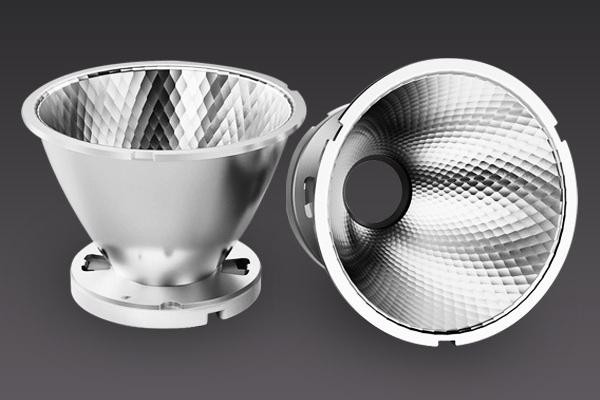
7. Şekillendirilebilirlik ve Derin Çekme Performansı 1060 Alüminyum Diskler
Aydınlatma reflektörleri genellikle kavisli şekiller oluşturmak için derin çekme veya döndürme gerektirir. 1060 Alüminyumun malzeme özellikleri onu özellikle bu şekillendirme işlemlerine uygun hale getiriyor.
7.1 Derin Çekilebilirliği Artıran Faktörler
- Düşük akma dayanımı (35–45 MPa'dan)
- Yüksek uzama (≥ 38% tavlanmış durum için)
- Mükemmel bükülme sünekliği
- Tavlama sonrası stabil tane yapısı
Bu özellikler çatlamayı önlemeye yardımcı olur, kırışma, derin çekme sırasında portakal kabuğu etkisi.
7.2 Sürekli Eğirme Altında Mekanik Stabilite
Eğirme, salon ışıkları gibi büyük lamba reflektörlerinin üretiminde yaygın olarak kullanılır., endüstriyel kubbe lambaları, ve sahne aydınlatma kabukları.
1060 alüminyum sergiler:
- Pürüzsüz metal akış davranışı
- Minimum iş sertleştirme oranı
- Çoklu geçişlerden sonra tekdüze doku
- Tutarlı kalınlık dağılımı
Tahmin edilebilir dönme performansı deformasyon kusurlarını azaltır ve reflektör hassasiyetini artırır.
8. Aydınlatma Reflektörleri için Optik Performans Avantajları
Aydınlatma üreticilerinin tercih etmesinin temel nedeni 1060 alüminyum disklerin ayna işleme tabi tutulduktan sonraki olağanüstü optik davranışlarıdır.
8.1 Yüksek Toplam Yansıma
1060 alüminyum, ticari alüminyum alaşımları arasında en yüksek yansıtıcılığa sahiptir:
- Çiğ (değirmen bitişi): 78–80%
- Mekanik cilalı & anodize edilmiş: 83–87%
- Elektro cilalı ayna kaplama: 88–92%
Daha yüksek yansıtma anlamına gelir:
- Daha yüksek ışık verimliliği
- Daha düşük güç tüketimi
- Daha iyi ısı dağılımı
Bu yapar 1060 alüminyum özellikle enerji verimliliğinin kritik olduğu LED sistemleri için uygundur.
8.2 Üstün Aynasal Yansıma
Aynasal yansıma, ışık ışınının ne kadar odaklanacağını belirler. Ayna cilalı 1060 alüminyum ışığı yüksek netlik ve yönlülükle yansıtır, destek:
- Spot ışığı oluşumu
- Yüksek tavanlı aydınlatma
- Otomotiv ve motosiklet lambaları
- Projektör lambası muhafazaları
Saflığından dolayı, 1060 alüminyum, silikon veya magnezyum içeren alaşımlara göre daha az saçılma üretir.
8.3 UV ve Isıya Dayanıklılık
Aydınlatma reflektörleri uzun süreli ısıya ve UV radyasyonuna maruz kalır. Ayna anodize 1060 alüminyum termal döngü altında mükemmel stabiliteye sahiptir.
Faydaları şunları içerir::
- Sararma yok
- Oksidasyon solması yok
- Soyulma veya dökülme yok
Bu, dış mekan veya endüstriyel ortamlardaki aydınlatma sistemlerinin uzun vadeli güvenilirliğini artırır..
9. Ayna Cilasının Uygulama Alanları 1060 Alüminyum Reflektör Diskleri
9.1 Ticari Aydınlatma
- LED spot reflektörleri
- Downlight reflektörler
- Tavan paneli reflektörleri
- Perakende vitrin aydınlatması
Yüksek speküler alüminyum, ticari ortamlar için parlak ve odaklanmış aydınlatma sağlar.
9.2 Endüstriyel ve Depo Işıkları
- Yüksek tavanlı reflektörler
- Tünel aydınlatma sistemleri
- Projektör reflektörleri
1060 alüminyumun ısı yansıtma özelliği termal performansı artırır ve fikstür bozulmasını azaltır.
9.3 Otomotiv ve Motosiklet Aydınlatması
Ayna kaplamalı 1060 diskler şunun için kullanılır::
- İç kubbe reflektörleri
- Yardımcı lambalar
- Sinyal lambaları
- Arka yansıma plakaları
Hafifliği ve hassas yansıtma özelliği, gelişmiş araç verimliliğine ve güvenliğine katkıda bulunur.
9.4 Mimari ve Kamu Tesisi Aydınlatması
- Dış mekan bina aydınlatması
- Spor alanı reflektörleri
- Acil aydınlatma sistemleri
Korozyona dayanıklı anodize alüminyum aşırı hava koşullarına dayanıklıdır.
9.5 Film, Fotoğrafçılık, ve Sahne Aydınlatması
Bu uygulamalar hassas optik yüzeyler gerektirir.
1060 ayna alüminyum sağlar:
- Temiz ışık ışınları
- Isı altında yüksek stabilite
- Görsel olarak çekici cilalı yüzeyler

10. Kullanımın Çevresel Avantajları 1060 Alüminyum Reflektörler için
Aydınlatma sektöründe sürdürülebilirlik giderek daha önemli hale geliyor. 1060 alüminyum çeşitli çevresel faydalar sunar:
10.1 100% Geri dönüştürülebilirlik
Alüminyum, optik veya mekanik özelliklerini kaybetmeden süresiz olarak geri dönüştürülebilir.
10.2 Daha Düşük Enerji Tüketimi
Yansıtıcı verimlilik, aydınlatma armatürlerinin daha az elektrik enerjisi gerektirmesi anlamına gelir, operasyonel karbon ayak izinin azaltılması.
10.3 Temizleyici Yüzey İşlem
Eloksal ve elektro-parlatma, geleneksel krom kaplamaya kıyasla çevreye daha az zararlı kalıntı üretir.
Alüminyum çemberin özellikleri:
Alüminyum çember birçok pazara uygundur, tencere seti dahil, otomotiv ve aydınlatma endüstrileri, vesaire., iyi ürün özellikleri sayesinde:
- Düşük anizotropi, derin çekmeyi kolaylaştıran
- Güçlü mekanik özellikler
- Yüksek ve homojen ısı yayılımı
- Emaye edilebilme özelliği, PTFE kapsamındadır (veya diğerleri), anodize edilmiş
- İyi yansıtma
- Yüksek mukavemet/ağırlık oranı
- Dayanıklılık ve korozyona karşı direnç
Alüminyum Çemberler Süreci
Külçe/Ana Alaşımlar — Eritme Fırını – Tutma Fırını — DC. Teker — Döşeme —- kafa derisi — Sıcak Haddehane – Soğuk Haddehane – Delme – Tav Fırını — Son Muayene – Paketleme — Teslimat
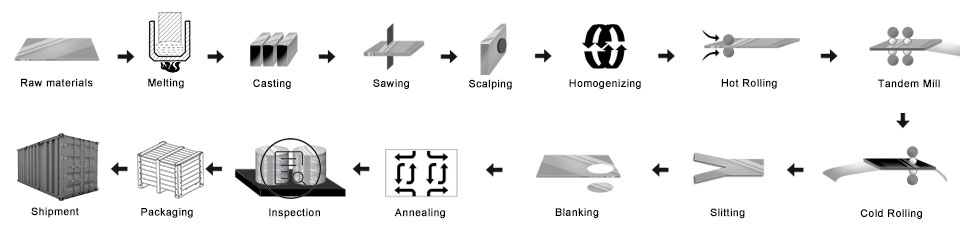
- Ana alaşımları hazırlayın
- Eritme fırını: alaşımları eritme fırınına koyun
- D.C. dökme alüminyum külçe: Anneyi külçe yapmak için
- Alüminyum külçeyi frezeleyin: yüzeyi ve yanları pürüzsüz hale getirmek için
- Isıtma fırını
- Sıcak haddehane: ana bobini yaptım
- Soğutma haddehanesi: ana bobin satın almak istediğiniz kalınlıkta yuvarlandı
- Delme işlemi: istediğin büyüklükte ol
- Tav fırını: öfkeyi değiştir
- Son muayene
- Ambalaj: Tahta sandık veya ahşap palet
- Teslimat
Kalite Kontrol
Güvence Üretimde aşağıdaki muayene yapılacaktır.
- A. ışın algılama—RT;
- B. ultrasonik test—UT;
- C. Manyetik Parçacık Testi-MT;
- D. Sızma testi-PT;
- e. girdap akımı kusur tespiti-ET
1) Yağ Lekesinden Kurtulun, Göçük, Dahil etme, çizikler, Lekelemek, Oksit Renk Değişikliği, Molalar, Korozyon, Rulo İşaretleri, Kir Çizgileri, ve kullanıma engel olacak diğer kusurlar.
2) Siyah çizgi olmayan yüzey, temiz kesim, periyodik leke, rulo baskı kusurları, diğer gko dahili Kontrol standartları gibi.
Alüminyum diskler ambalajı:
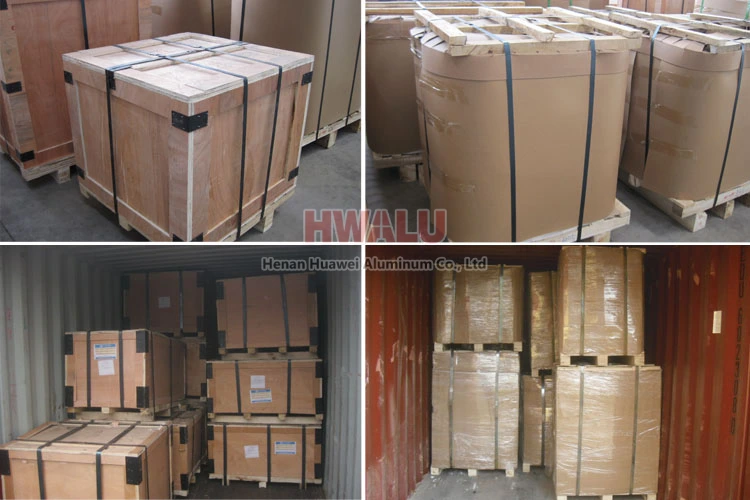
Alüminyum çemberler ihracat standartlarına göre paketlenebilir, kahverengi kağıt ve plastik film ile kaplama. Nihayet, Alüminyum Yuvarlak ahşap bir palet/tahta sandık üzerine sabitlenir.
- Kurutucuları alüminyum dairenin yanına koyun, ürünleri kuru ve temiz tutun.
- Temiz plastik kağıt kullanın, alüminyum daireyi paketleyin, iyi sızdırmazlık sağlayın.
- Yılan derisi kağıdını kullanın, Plastik kağıdın yüzeyini paketleyin, iyi sızdırmazlık sağlayın.
- Sonraki, paketlemenin iki yolu var: Tek yol ahşap palet ambalajıdır, yüzeyi paketleyen huysuz kağıdı kullanarak; Başka bir yol tahta sandık ambalajıdır, Yüzeyi paketleyen tahta sandık kullanarak.
- Nihayet, çelik kemeri ahşap kutunun yüzeyine yerleştirin, ahşap kutunun sağlamlığını ve güvenliğini korumak.
Henan Huawei Alüminyum'un alüminyum çemberi. ihracat standardını karşılamak. Müşterilerin ihtiyaçlarına göre plastik film ve kahverengi kağıt kaplanabilir. Dahası, Ürünleri teslimat sırasında hasardan korumak için tahta sandık veya ahşap palet benimsenmiştir. İki çeşit ambalaj var, hangisi duvara göz veya gökyüzüne göz. Müşteriler kolaylık sağlamak için bunlardan herhangi birini seçebilirler. Genel olarak konuşursak, var 2 Tonlarca tek pakette, ve yükleniyor 18-22 1×20′ konteynerde ton, Ve 20-24 1×40′ konteynerde ton.
Neden bizi seçmelisiniz??
Zamana ayak uydurabilmek için, HWALU rekabet gücünü artırmak için en son teknolojiye sahip ekipman ve teknikleri sunmaya devam ediyor. Her zaman merkez ve müşteri olarak kalite iş felsefesine bağlı kalın, dünyanın her yerine en kaliteli alüminyum disk daire serisi ürünlerini sunmak. Daha …

