8000 हाई-एंड रसोई एल्यूमीनियम पॉट हैंडल के लिए श्रृंखला एल्यूमीनियम मिश्र धातु
परिचय: हाई-एंड रसोई के बर्तनों के लिए सामग्री उन्नयन की मांग और 8000-श्रृंखला एल्यूमीनियम मिश्र धातुओं की स्थिति
उपभोग उन्नयन की गहराई के साथ और “रसोई सौंदर्यशास्त्र” रुझान, उच्च श्रेणी के रसोई एल्यूमीनियम के बर्तन (जैसे प्रीमियम कुकवेयर और बिल्ट-इन रैक) सामग्री पर तीन मुख्य आवश्यकताएँ लागू करें: ① तापमान स्थिरता (कुकवेयर हैंडल को 120-220℃ के रुक-रुक कर उच्च तापमान का सामना करने की आवश्यकता होती है, जबकि रैक को 150℃ से नीचे गर्म टेबलवेयर सहन करने की आवश्यकता होती है); ② जटिल सूत्रीकरण (हैंडल के लिए एर्गोनोमिक घुमावदार डिज़ाइन की आवश्यकता होती है, और रैक को खोखला करने और मोड़ने जैसी नाजुक संरचनाओं की आवश्यकता होती है); ③ पर्यावरण प्रतिरोध (तेल के दागों से होने वाले क्षरण का विरोध करना, अम्लीय क्लीनर, और आर्द्र वातावरण).
पारंपरिक सामग्री चयन में,
3000-श्रृंखला (अल-Mn) एल्यूमीनियम मिश्र धातुओं को संसाधित करना आसान है, लेकिन उनकी तन्य शक्ति प्रतिधारण दर 200℃ पर ही है 60% (जीबी/टी 228.2-2015), लंबे समय तक उपयोग के बाद हैंडल ढीले हो जाते हैं; 5000-श्रृंखला (अल-मिलीग्राम) मिश्रधातुओं में उत्कृष्ट संक्षारण प्रतिरोध होता है, लेकिन 180℃ से ऊपर, उनकी ताकत कम हो जाती है 35% एमजी तत्व प्रसार के कारण, और झुकने के दौरान उनके टूटने का खतरा रहता है; 6000-श्रृंखला (अल-मिलीग्राम-Si) मिश्रधातुओं में मध्यम तापमान प्रतिरोध होता है, लेकिन उनकी सिकुड़न सरंध्रता दर तक पहुँच जाती है 5% जटिल डाई कास्टिंग के दौरान (जीबी/टी 13818-2022), जो उच्च-स्तरीय उत्पादों की सटीक आवश्यकताओं को पूरा नहीं कर सकता है.
8000-श्रृंखला एल्यूमीनियम मिश्र धातु (बहु-घटक प्रणाली, मुख्य रूप से युक्त 0.5%-1.5% नी, 0.3%-0.8% फ़े, तथा 0.2%-0.6% और) को हल करने के लिए मुख्य सामग्री बन गए हैं “तापमान प्रतिरोध-प्रक्रियाशीलता” विरोधाभास, पर भरोसा करना “Al₃Ni की उच्च तापमान स्थिरता अवक्षेपित होती है” तथा “बहु-घटक विनियमन के माध्यम से प्लास्टिसिटी संतुलन”. हाई-एंड रसोई के बर्तन क्षेत्र में उनकी प्रवेश दर में वृद्धि हुई है 12% में 2021 प्रति 28% में 2024 (चीन एल्यूमिनियम प्रसंस्करण उद्योग श्वेत पत्र 2024).

मैं. 8000-श्रृंखला एल्यूमीनियम मिश्र धातुओं के मुख्य गुण: तापमान प्रतिरोध और प्रक्रियात्मकता का सहक्रियात्मक तंत्र
(मैं) घटक विनियमन के तहत तापमान स्थिरता: सूक्ष्म चरण संरचना से लेकर स्थूल प्रदर्शन तक
8000-श्रृंखला मिश्र धातुओं का तापमान प्रतिरोध लाभ इसी से उत्पन्न होता है Ni-Fe-Si बहु-घटक सुदृढ़ीकरण चरणों का सहक्रियात्मक प्रभाव, और इसका मूल तंत्र पारंपरिक एल्यूमीनियम मिश्र धातुओं से काफी अलग है:
- उच्च तापमान नरमी-प्रतिरोधी चरणों का निर्माण: Ni, Al के साथ मिलकर Al₃Ni अवक्षेप बनाता है (फलक-केन्द्रित घनीय संरचना, गलनांक 1385℃), जो 250℃ से नीचे कोई स्पष्ट खुरदरापन नहीं दिखाता है (टीईएम लक्षण वर्णन से पता चलता है कि 1000 घंटे के लिए 200 ℃ पर उम्र बढ़ने के बाद, चरण का आकार 15nm से 22nm तक बढ़ जाता है, केवल 0.007nm/h की मोटेपन दर के साथ), 6000-श्रृंखला मिश्र धातुओं में Mg₂Si चरणों की मोटेपन दर से बहुत कम (0.02एनएम/घंटा). Al₃Ni अवक्षेपण के माध्यम से उच्च तापमान पर अव्यवस्था की गति को रोकता है “अव्यवस्था पिनिंग प्रभाव”, को सक्षम करना 8030 तन्य शक्ति प्रतिधारण दर प्राप्त करने के लिए मिश्र धातु 85% 200℃ पर (450MPa से 382MPa तक), जब 3003 मिश्र धातु में केवल प्रतिधारण दर होती है 60% उसी अवधि के दौरान (200MPa से 120MPa तक) (मेज़ 1).
- थर्मल विस्तार गुणांक का मिलान: Fe और Si FeSiAl यौगिक बनाते हैं (Al₈Fe₂Si, ऑर्थोरोम्बिक संरचना) जो मिश्र धातु के थर्मल विस्तार के गुणांक को नियंत्रित कर सकता है (सिटे). की सीटीई 8011 मिश्रधातु 22.5×10⁻⁶/℃ है (25-200℃), के अंतर के साथ <3% से 3003 मिश्र धातु (23.1×10⁻⁶/℃) आमतौर पर कुकवेयर बॉडी के लिए उपयोग किया जाता है, असेंबली के बाद थर्मल विस्तार और संकुचन के कारण होने वाली तनाव दरार से बचना. इसके विपरीत, बीच में अंतर 5052 मिश्र धातु (सीटीई 24.8×10⁻⁶/℃) तथा 3003 मिश्रधातु पहुंचती है 7.4%, लंबे समय तक उपयोग के बाद हैंडल और कुकवेयर बॉडी ढीले हो जाते हैं.
- उच्च तापमान थकान प्रतिरोध: के लिए “गर्म करना-ठंडा करना” कुकवेयर हैंडल का चक्र (100-200℃, 10 प्रति दिन चक्र), की थकान शक्ति प्रतिधारण दर 8079 10⁴ चक्र के बाद मिश्र धातु पहुंचती है 78% (180MPa से 140MPa तक), जबकि की 6061 मिश्र धातु ही है 55% (240MPa से 132MPa तक). यह Al₃Ni अवक्षेप के चक्रीय मृदुकरण प्रतिरोध में निहित है - चक्र के दौरान कोई स्पष्ट इंटरफ़ेसीय छीलन नहीं होती है (एसईएम द्वारा देखा गया), जबकि Mg₂Si चरणों में चक्रीय तनाव के तहत विघटन की संभावना होती है.
मेज़ 1: रसोई के बर्तनों के लिए विशिष्ट तापमान पर विभिन्न एल्यूमीनियम मिश्र धातु श्रृंखला की तापमान प्रतिरोध तुलना
|
मिश्र धातु श्रृंखला
|
ग्रेड
|
200℃ पर तन्य शक्ति प्रतिधारण (%)
|
220℃ पर कठोरता परिवर्तन (मॉडिफ़ाइड अमेरिकन प्लान)
|
सिटे (×10⁻⁶/℃, 25-200℃)
|
10⁴ थर्मल चक्र के बाद थकान शक्ति प्रतिधारण (%)
|
संदर्भ मानक
|
|
8000-श्रृंखला
|
8030
|
85
|
120→108 (-10%)
|
22.5
|
78
|
जीबी/टी 228.2, जीबी/टी 3075
|
|
3000-श्रृंखला
|
3003
|
60
|
65→52 (-20%)
|
23.1
|
62
|
जीबी/टी 228.2, जीबी/टी 3075
|
|
5000-श्रृंखला
|
5052
|
65
|
70→56 (-20%)
|
24.8
|
65
|
जीबी/टी 228.2, जीबी/टी 3075
|
|
6000-श्रृंखला
|
6061
|
72
|
95→76 (-20%)
|
23.6
|
55
|
जीबी/टी 228.2, जीबी/टी 3075
|
(द्वितीय) प्रक्रियात्मकता का मात्रात्मक विश्लेषण: गठन प्रक्रिया से लेकर परिशुद्धता नियंत्रण तक
NS “जटिल आकार की आवश्यकताएँ” उच्च स्तरीय रसोई घटकों की (जैसे कि हैंडल की घुमावदार पकड़ सतह और रैक का छत्ते का खोखला होना) पर उच्च माँगें थोपें प्लास्टिसिटी, खिड़की बनाना, और प्रक्रिया अनुकूलता सामग्री का. 8000-श्रृंखला घटक ग्रेडिएंट विनियमन के माध्यम से प्रक्रियात्मकता में सफलता प्राप्त करती है:
- प्लास्टिसिटी और गठन सीमा: कमरे के तापमान में वृद्धि 8011 मिश्रधातु पहुंचती है 16% (जीबी/टी 228.1-2021), एक गठन सीमा आरेख के साथ (एफएलडी) का ग्रेड 0.23, 1.5t का न्यूनतम झुकने वाला त्रिज्या सक्षम करना (टी = शीट की मोटाई), 7075-श्रृंखला से बेहतर (3लेपित एल्यूमीनियम सर्कल शीट से संबंधित) और 6061-श्रृंखला (2लेपित एल्यूमीनियम सर्कल शीट से संबंधित). के लिए “यू-झुकने + घुमावदार मुद्रांकन” हैंडल की प्रक्रिया, की मुद्रांकन स्क्रैप दर 8011 केवल है 2.5%, जबकि की 5052 पहुँचता है 8% झुकने से टूटने के कारण (मेज़ 2). तंत्र निहित है: Fe तत्व अनाज को परिष्कृत करते हैं (औसत अनाज का आकार 8011 25μm है, जबकि की 5052 40μm है), स्थानीय तनाव एकाग्रता को कम करना; सी तत्व अनाज सीमा प्लास्टिसिटी में सुधार करते हैं, गठन के दौरान अंतर-दानेदार दरार से बचना.
- डाई कास्टिंग और प्रिसिजन फॉर्मिंग के साथ अनुकूलता: रैक का निर्माण अक्सर डाई कास्टिंग द्वारा किया जाता है (जैसे, खोखली ग्रिड संरचनाएँ). की डाई कास्टिंग तरलता 8030 मिश्र धातु (सर्पिल प्रवाह लंबाई 180 मिमी, जीबी/टी 15114-2021) 3003-श्रृंखला से बेहतर है (150मिमी), केवल सिकुड़न सरंध्रता दर के साथ 1.2% (5% 6061-श्रृंखला के लिए). के माध्यम से “अर्ध-ठोस डाई कास्टिंग (एसएसएम) + स्थानीय बाहर निकालना” प्रक्रिया, रैक के खोखले छेद व्यास सहिष्णुता को ±0.1 मिमी के भीतर नियंत्रित किया जा सकता है, उच्च-स्तरीय उत्पादों की असेंबली परिशुद्धता आवश्यकताओं को पूरा करना (पारंपरिक डाई कास्टिंग सहनशीलता ±0.3 मिमी है).
- वेल्डिंग और स्प्लिसिंग प्रदर्शन: अंतर्निर्मित रैक के लिए बहु-घटक वेल्डिंग और स्प्लिसिंग की आवश्यकता होती है. एमआईजी वेल्डिंग संयुक्त शक्ति प्रतिधारण दर 8000-श्रृंखला तक पहुंचती है 88% (बेस मेटल की तन्यता ताकत 8011 380MPa है, संयुक्त ताकत 334MPa है), 5052-श्रृंखला की तुलना में बहुत अधिक (75%). प्रमुख प्रक्रिया पैरामीटर हैं: ER4043 वेल्डिंग तार (युक्त 5% और), वर्तमान 160-180ए, वोल्टेज 20-22V, ताप इनपुट ≤18kJ/सेमी. गर्मी प्रभावित क्षेत्र की चौड़ाई (HAZ) वेल्डिंग के बाद केवल 4 मिमी है (6मिमी के लिए 5052), उच्च तापमान के कारण आसपास की संरचनाओं को नरम होने से बचाना (जीबी/टी 11345-2022 अल्ट्रासोनिक परीक्षण जोड़ों में कोई अपूर्ण संलयन दोष नहीं दिखाता है).
मेज़ 2: 8000-श्रृंखला और पारंपरिक एल्यूमीनियम मिश्र धातुओं के बीच प्रक्रियात्मकता तुलना (रसोई घटक प्रक्रियाओं के लिए)
|
प्रसंस्करण प्रौद्योगिकी
|
प्रदर्शन संकेतक
|
8011 (8000-श्रृंखला)
|
3003 (3000-श्रृंखला)
|
5052 (5000-श्रृंखला)
|
6061 (6000-श्रृंखला)
|
संदर्भ मानक
|
|
शीत मुद्रांकन
|
बढ़ाव (%)
|
16
|
14
|
12
|
12
|
जीबी/टी 228.1
|
|
शीत मुद्रांकन
|
न्यूनतम झुकने की त्रिज्या (लेपित एल्यूमीनियम सर्कल शीट से संबंधित)
|
1.5
|
2.0
|
2.5
|
2.0
|
जीबी/टी 3880.2
|
|
मेटल सांचों में ढालना
|
सर्पिल प्रवाह की लंबाई (मिमी)
|
180
|
150
|
– (कास्ट करना कठिन)
|
160
|
जीबी/टी 15114
|
|
मेटल सांचों में ढालना
|
सिकुड़न सरंध्रता दर (%)
|
1.2
|
2.5
|
–
|
5.0
|
जीबी/टी 13818
|
|
एमआईजी वेल्डिंग
|
संयुक्त शक्ति प्रतिधारण दर (%)
|
88
|
85
|
75
|
82
|
जीबी/टी 11345
|
|
सतह का उपचार
|
एनोडाइज्ड फिल्म आसंजन (एमपीए)
|
12
|
10
|
11
|
9
|
जीबी/टी 8013
|
द्वितीय. घटक-स्तर अनुकूलन तर्क: हैंडल और रैक में 8000-श्रृंखला एल्यूमीनियम मिश्र धातु का सटीक अनुप्रयोग
(मैं) हाई-एंड कुकवेयर हैंडल: तापमान सुरक्षा और पकड़ अनुभव को संतुलित करना
कुकवेयर हैंडल के लिए मुख्य आवश्यकताएं हैं “उच्च तापमान पर कोई नरमी नहीं, कोई जलन नहीं, और आरामदायक पकड़“. 8000-श्रृंखला के तालमेल के माध्यम से अनुकूलन प्राप्त होता है “प्रदर्शन-प्रक्रिया-अनुभव”:
- तापमान सुरक्षा सीमा: गैस स्टोव कुकवेयर के लिए (अधिकतम हैंडल तापमान 220℃), का तापीय विरूपण 8030 220℃ पर मिश्र धातु हैंडल केवल 0.3 मिमी/मीटर है (जीबी/टी 16535-2022), 3003-श्रृंखला के 0.8 मिमी/मीटर से काफी कम, लंबे समय तक उपयोग के बाद हैंडल के झुकने के कारण होने वाले पकड़ विचलन से बचना. इस दौरान, इसकी तापीय चालकता (180डब्ल्यू/(एम·के) 150℃ पर) 5052-श्रृंखला की तुलना में कम है (195डब्ल्यू/(एम·के)). 2 मिमी मोटी सिलिकॉन हीट इन्सुलेशन परत के साथ, हैंडल की बाहरी सतह का तापमान 50℃ से नीचे नियंत्रित किया जा सकता है (मानव सुरक्षा तापमान सीमा), जबकि 3003-श्रृंखला के हैंडल की बाहरी सतह का तापमान 65℃ तक पहुँच जाता है, जलने का खतरा.
- एर्गोनोमिक फॉर्मिंग: 8011 मिश्र धातु एर्गोनोमिक में संसाधित किया जा सकता है “घुमावदार पकड़ सतह” (वक्रता त्रिज्या 30 मिमी, फिटिंग हथेली समोच्च) के माध्यम से “बहु-पास मुद्रांकन + स्थानीय खिंचाव” प्रक्रिया, सतह खुरदरापन Ra ≤1.6μm के साथ (किसी द्वितीयक पॉलिशिंग की आवश्यकता नहीं है). इसके विपरीत, 6061-अपर्याप्त प्लास्टिसिटी के कारण श्रृंखला को अतिरिक्त पीसने की प्रक्रियाओं की आवश्यकता होती है (लागत बढ़ जाती है 15%). एक हाई-एंड कुकवेयर ब्रांड (जैसे, ज़विलिंग के अंतर्गत प्रीमियम लाइन) उपयोग 8011 हैंडल बनाने के लिए, और उपयोगकर्ता सर्वेक्षण से पता चलता है कि “पकड़ आराम स्कोर” पहुँचता है 4.8/5 (4.2/5 3003-श्रृंखला हैंडल के लिए).
- असेंबली स्थिरता: हैंडल और कुकवेयर बॉडी के बीच का संबंध अधिकतर अपनाया जाता है “धागा + वेल्डिंग” समग्र फिक्सिंग. थ्रेडेड छेदों की टैपिंग योग्यता दर 8030 मिश्रधातु पहुंचती है 99% (धागा परिशुद्धता M5-6H), जबकि 5052-श्रृंखला में अत्यधिक प्लास्टिसिटी के कारण धागे के फिसलने का खतरा होता है (योग्यता दर 92%). बाद 1000 असेंबली-डिससेम्बली परीक्षण, थ्रेड टॉर्क क्षीणन दर 8030 केवल हैंडल है 5% (प्रारंभिक टॉर्क 15N·m, परीक्षण के बाद टॉर्क 14.25N·m), जबकि वह 3003-सीरीज़ तक पहुंचता है 12%.
(द्वितीय) हाई-एंड रसोई रैक: थर्मल लोड-बेयरिंग और स्थानिक सौंदर्यशास्त्र को एकीकृत करना
रसोई रैक (जैसे अंतर्निर्मित दीवार रैक और द्वीप शेल्फ बोर्ड) की आवश्यकताओं को पूरा करने की आवश्यकता है “थर्मल लोड-बेयरिंग, आसान सफाई, और हल्का“. 8000-श्रृंखला के अनुकूलन लाभ तीन पहलुओं में परिलक्षित होते हैं:
- थर्मल लोड-बेयरिंग स्थिरता: रैक को 150℃ बेकिंग ट्रे/स्टू पॉट सहन करने की आवश्यकता होती है (वजन 5-8 किलो). झुकने की कठोरता प्रतिधारण दर 8079 150℃ पर मिश्र धातु रैक पहुंचता है 90% (25℃ पर कठोरता 20kN/mm है, 150℃ पर 18kN/मिमी है), जबकि 3003-सीरीज़ का ही है 75% (15kN/मिमी से 11.25kN/मिमी तक). बाद 100 के चक्र “हॉट टेबलवेयर प्लेसमेंट-कूलिंग” परीक्षण, की स्थायी विकृति 8079 रैक केवल 0.1 मिमी है, जबकि 3003-श्रृंखला 0.5 मिमी तक पहुंचती है (जीबी/टी 7314-2022).
- जटिल संरचना का निर्माण: अंतर्निर्मित रैक अक्सर डिज़ाइन किए जाते हैं “छत्ते का खोखला होना” (छेद का व्यास 10 मिमी, छेद की दूरी 15 मिमी) वजन कम करने और सौंदर्यशास्त्र बढ़ाने के लिए. 8030 मिश्र धातु के माध्यम से खोखली संरचना का एहसास होता है “अर्ध-ठोस डाई कास्टिंग + लेजर द्वारा काटना” प्रक्रिया, की खोखली दर के साथ 40% (वजन कम हो गया 35%) और एक छेद दीवार लंबवत विचलन ≤0.5° (3003-श्रृंखला डाई कास्टिंग में केवल खोखली दर होती है 30% और 1° का लंबवत विचलन). एक हाई-एंड कस्टम किचन ब्रांड (जैसे, कोहलर किचन) उपयोग 8030 रैक बनाने के लिए, साथ “स्थान का उपयोग” की वृद्धि हुई 20% पारंपरिक स्टील रैक की तुलना में (वजन कम हो गया 60%).
- पर्यावरणीय प्रतिरोध: तेल के दाग और अम्लीय क्लीनर (जैसे, साइट्रिक एसिड, सफेद सिरका) रसोई के वातावरण में सामग्री के क्षरण का खतरा होता है. बाद “15μm एनोडाइजेशन + सीलिंग उपचार”, 8000-श्रृंखला 2000 घंटे का नमक स्प्रे प्रतिरोध समय प्राप्त करती है (जीबी/टी 10125-2021, 5% NaCl समाधान) सतह पर जंग के बिना, जबकि 3003-श्रृंखला में एनोडाइजेशन के बाद केवल 1200h का नमक स्प्रे प्रतिरोध समय होता है. इस दौरान, 8000-श्रृंखला की ऑक्साइड फिल्म में उत्कृष्ट दाग प्रतिरोध है, केवल 30 ग्राम/वर्ग मीटर के तेल आसंजन के साथ (503003-श्रृंखला के लिए जी/एम²), सफाई के लिए केवल पानी पोंछने की आवश्यकता है (किसी विशेष सफाईकर्मी की आवश्यकता नहीं).
तृतीय. 8000-श्रृंखला एल्यूमीनियम मिश्र धातु का सामग्री चयन मूल्य: लागत-दक्षता से औद्योगिक उन्नयन तक
(मैं) जीवन चक्र लागत (एल सी सी) फ़ायदा
हालांकि कच्चे माल की लागत 8000-सीरीज़ है (लगभग 52,000 आरएमबी/टन) 3000-श्रृंखला से अधिक है (28,000 आरएमबी/टन), इसकी जीवन चक्र लागत कम है:
- प्रसंस्करण लागत बचत: 8000-श्रृंखला का निर्माण स्क्रैप दर (2.5%) 5000-श्रृंखला की तुलना में बहुत कम है (8%). एक कुकवेयर उद्यम की गणना से पता चलता है कि उत्पादन करते समय 1 प्रतिवर्ष हैंडल के मिलियन सेट, 8011 की बचत होती है 1.2 प्रसंस्करण लागत की तुलना में मिलियन आरएमबी/वर्ष 5052.
- सेवा जीवन विस्तार लाभ: 8000-श्रृंखला हैंडल का सेवा जीवन पहुंचता है 8 वर्षों (5 3003-श्रृंखला के लिए वर्ष), और वह रैक की पहुंच जाती है 10 वर्षों (6 3003-श्रृंखला के लिए वर्ष), उपयोगकर्ता प्रतिस्थापन आवृत्ति को कम करना.
- रखरखाव लागत में कमी: 8000-श्रृंखला का संक्षारण प्रतिरोध नियमित जंग हटाने/पेंटिंग की आवश्यकता को समाप्त करता है, केवल वार्षिक रखरखाव लागत के साथ 0.5 आरएमबी/टुकड़ा (2 3003-श्रृंखला के लिए आरएमबी/टुकड़ा).
व्यापक गणना से पता चलता है कि जीवन चक्र की लागत (8 वर्षों) 8000-श्रृंखला के रसोई घटकों में से एक है 180 आरएमबी/टुकड़ा, 18% से कम 220 3003-श्रृंखला का आरएमबी/टुकड़ा.
(द्वितीय) उच्च-स्तरीय बाजार प्रतिस्पर्धात्मकता में वृद्धि
NS “तापमान प्रतिरोध-प्रक्रियाशीलता” 8000-सीरीज़ का बैलेंस हाई-एंड कुकवेयर ब्रांडों के लिए एक अलग विक्रय बिंदु बन गया है:
- प्रदर्शन अनुमोदन: 8000-श्रृंखला का उपयोग करने वाले कुकवेयर पर लेबल लगाया जा सकता है “220℃ उच्च तापमान प्रतिरोधी हैंडल” तथा “जीवनकाल वारंटी”. किसी ब्रांड के डेटा से पता चलता है कि ऐसे उत्पादों का प्रीमियम मार्जिन कितना पहुँच जाता है 30% (3003-श्रृंखला उत्पादों से अधिक).
- डिजाइन स्वतंत्रता: प्रक्रियात्मकता जटिल आकृतियों का समर्थन करती है. उदाहरण के लिए, एक ब्रांड लॉन्च किया गया “सुव्यवस्थित एकीकृत हैंडल” (बना होना 8011), जिसका हिसाब है 25% अपनी अनूठी उपस्थिति के कारण बाज़ार में हिस्सेदारी (15% पारंपरिक हैंडल के लिए).
- पर्यावरणीय गुण: पुनर्चक्रण दर 8000-श्रृंखला तक पहुँच जाती है 98% (अन्य एल्यूमीनियम मिश्र धातुओं के साथ संगत), यूरोपीय संघ से मुलाकात “सीई” पर्यावरण प्रमाणीकरण (की आवश्यकता होती है >90% अपशिष्ट कुकवेयर के लिए रीसाइक्लिंग दर), ब्रांडों को यूरोपीय और अमेरिकी उच्च-स्तरीय बाज़ारों में प्रवेश करने में मदद करना.
(तृतीय) औद्योगिक प्रौद्योगिकी उन्नयन को बढ़ावा देना
रसोई के बर्तनों में 8000-श्रृंखला का अनुप्रयोग अपस्ट्रीम प्रसंस्करण प्रौद्योगिकियों की प्रगति को प्रेरित करता है:
- परिशुद्धता निर्माण प्रक्रिया: हैंडल के नाजुक आकार को पूरा करने के लिए, घरेलू उद्यमों ने विकसित किया है “कम तापमान मुद्रांकन + स्थानीय बुढ़ापा” प्रक्रिया (मुद्रांकन तापमान 80℃, 120℃×2h पर उम्र बढ़ना), 8000-सीरीज़ की फॉर्मिंग परिशुद्धता को ±0.05 मिमी तक सुधारना.
- भूतल उपचार नवाचार: रसोई की जरूरतों को लक्षित करना, ए “सुपरहाइड्रोफोबिक एनोडाइज्ड फिल्म” (संपर्क कोण 110°) विकसित किया गया है, 8000-श्रृंखला रैक की तेल अवशेष दर को कम करना 60%. इस तकनीक ने पेटेंट के लिए आवेदन किया है (पेटेंट नं. CN202410023456.7).
- मानक प्रणाली में सुधार: उद्योग वर्तमान में इसे तैयार कर रहा है हाई-एंड रसोई एल्युमीनियम बर्तनों के लिए एल्युमीनियम मिश्र धातु चयन की विशिष्टता (मसौदा), जिसका इरादा 8000-सीरीज़ को सूचीबद्ध करने का है (8011, 8030, 8079) हैंडल/रैक के लिए पसंदीदा सामग्री के रूप में और तापमान प्रतिरोध के लिए तकनीकी संकेतकों को स्पष्ट करें, गठन, और संक्षारण प्रतिरोध.

निष्कर्ष और आउटलुक
के माध्यम से “Al₃Ni की उच्च तापमान स्थिरता अवक्षेपित होती है” तथा “बहु-घटकों द्वारा नियंत्रित प्लास्टिसिटी”, 8000-श्रृंखला एल्यूमीनियम मिश्र धातुएं उच्च-स्तरीय रसोई एल्यूमीनियम कुकवेयर हैंडल/रैक के लिए तापमान प्रतिरोध और प्रक्रियात्मकता की मुख्य आवश्यकताओं को सफलतापूर्वक संतुलित करती हैं. उनकी घटक-स्तरीय अनुकूलनशीलता, जीवन चक्र लागत लाभ, और डिज़ाइन की स्वतंत्रता उन्हें हाई-एंड कुकवेयर बाज़ार में मुख्य सामग्री चयन बनाती है. भविष्य के विकास की दिशाएँ शामिल हैं:
- प्रदर्शन अनुकूलन: तापमान प्रतिरोध में और सुधार करें (250℃ पर तन्य शक्ति प्रतिधारण दर पहुँच जाती है 90%) दुर्लभ पृथ्वी सूक्ष्म-मिश्र धातु के माध्यम से (जैसे, जोड़ना 0.1% अनुसूचित जाति) प्रक्रियात्मकता बनाए रखते हुए.
- प्रक्रिया एकीकरण: 3डी प्रिंटिंग तकनीक को मिलाएं (जैसे, एसएलएम) 8000-श्रृंखला रसोई घटकों के वैयक्तिकृत अनुकूलन का एहसास करने के लिए (जैसे, अनुकूलित हैंडल बनावट).
- मानक कार्यान्वयन: की आधिकारिक रिलीज़ को बढ़ावा दें हाई-एंड रसोई एल्युमीनियम बर्तनों के लिए एल्युमीनियम मिश्र धातु चयन की विशिष्टता 8000-श्रृंखला के तकनीकी मापदंडों और अनुप्रयोग परिदृश्यों को मानकीकृत करना और उद्योग के स्वस्थ विकास का मार्गदर्शन करना.
उपभोग उन्नयन और तकनीकी परिपक्वता के साथ, 8000-श्रृंखला एल्यूमीनियम मिश्र धातुओं से अधिक होने की उम्मीद है 45% उच्च श्रेणी के रसोई एल्युमीनियम बर्तनों के लिए सामग्री बाजार का 2030, जोड़ने वाला एक प्रमुख वाहक बनना “भौतिक प्रदर्शन”, “उत्पाद अनुभव”, तथा “औद्योगिक उन्नयन”.
एल्यूमीनियम सर्कल के गुण:
एल्यूमिनियम सर्कल कई बाजारों के लिए उपयुक्त है, कुकवेयर सहित, मोटर वाहन और प्रकाश उद्योग, आदि।, अच्छे उत्पाद विशेषताओं के लिए धन्यवाद:
- कम अनिसोट्रॉपी, जो गहरी ड्राइंग की सुविधा प्रदान करता है
- मजबूत यांत्रिक गुण
- उच्च और सजातीय गर्मी प्रसार
- तामचीनी होने की क्षमता, PTFE द्वारा कवर किया गया (या अन्य), एनोड किए गए
- अच्छा परावर्तन
- उच्च शक्ति-से-वजन अनुपात
- जंग के लिए स्थायित्व और प्रतिरोध
एल्यूमिनियम सर्किल प्रक्रिया
पिंड/मास्टर मिश्र — मेल्टिंग फर्नेस - होल्डिंग फर्नेस — डी.सी.. कास्टर — पत्थर की पटिया —- स्कैल्पर — हॉट रोलिंग मिल - कोल्ड रोलिंग मिल - पंचिंग - एनीलिंग फर्नेस — अंतिम निरीक्षण - पैकिंग — वितरण
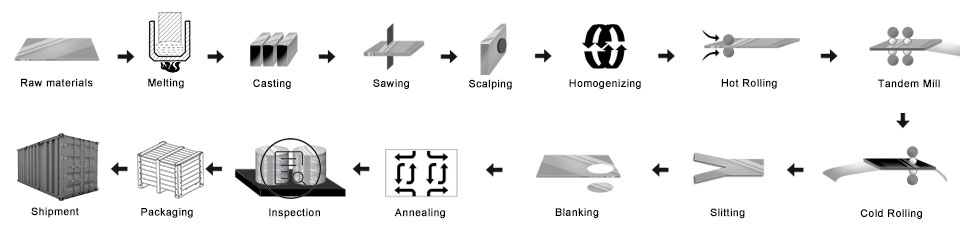
- मास्टर मिश्र तैयार करें
- पिघलती भट्टी: मिश्र धातुओं को पिघलने वाली भट्टी में डालें
- डीसी कास्ट एल्यूमीनियम पिंड: माँ को पिंड बनाने के लिए
- एल्यूमीनियम पिंड मिल: सतह और साइड को चिकना बनाने के लिए
- ताप भट्टी
- हॉट रोलिंग मिल: माँ का तार बनाया
- कोल्ड रोलिंग मिल: मदर कॉइल को उस मोटाई के रूप में रोल किया गया था जिसे आप खरीदना चाहते हैं
- छिद्रण प्रक्रिया: आप जो चाहते हैं उसका आकार बनें
- एनीलिंग भट्टी: मिजाज बदलो
- अंतिम निरीक्षण
- पैकिंग: लकड़ी के मामले या लकड़ी के फूस
- वितरण
गुणवत्ता नियंत्रण
आश्वासन नीचे निरीक्षण उत्पादन में किया जाएगा.
- ए. किरण का पता लगाना—आर टी;
- बी. अल्ट्रासोनिक परीक्षण—केन्द्र शासित प्रदेशों;
- सी. चुंबकीय कण परीक्षण-एमटी;
- डी. पैठ परीक्षण-पीटी;
- इ. एड़ी वर्तमान दोष का पता लगाने-ET
1) तेल के दाग से मुक्त रहें, काटने का निशान, समावेश, स्क्रैच, धब्बा, ऑक्साइड मलिनकिरण, ब्रेक, जंग, रोल मार्क्स, गंदगी की धारियाँ, और अन्य दोष जो उपयोग में हस्तक्षेप करेंगे.
2) काली रेखा के बिना सतह, तेज़ बाहर की रेखाओंवालअ, आवधिक दाग, रोलर मुद्रण दोष, जैसे अन्य gko आंतरिक नियंत्रण मानक.
एल्यूमिनियम डिस्क पैकिंग:
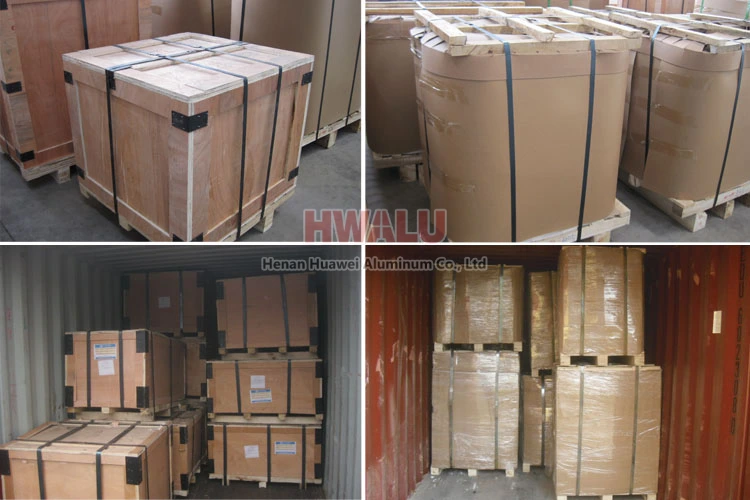
एल्यूमिनियम सर्किल निर्यात मानकों द्वारा पैक किया जा सकता है, भूरे रंग के कागज और प्लास्टिक की फिल्म के साथ कवर करना. आखिरकार, एल्यूमिनियम दौर लकड़ी के फूस / लकड़ी के मामले पर तय किया गया है.
- एल्युमिनियम सर्कल के ऊपर ड्रायर्स लगा दें, उत्पादों को सूखा और साफ रखें.
- स्वच्छ प्लास्टिक पेपर का प्रयोग करें, एल्यूमीनियम सर्कल पैक करें, सीलिंग अच्छी रखें.
- सांप की खाल के कागज का प्रयोग करें, प्लास्टिक पेपर की सतह को पैक करें, सीलिंग अच्छी रखें.
- अगला, पैकेजिंग के दो तरीके हैं: लकड़ी के फूस की पैकेजिंग का एक तरीका है, सतह को पैक करने वाले क्रस्टी पेपर का उपयोग करना; दूसरा तरीका लकड़ी के मामले की पैकेजिंग है, सतह को पैक करने वाले लकड़ी के मामले का उपयोग करना.
- आखिरकार, लकड़ी के बक्से की सतह पर स्टील की बेल्ट बिछाएं, लकड़ी के बक्से को तेज और सुरक्षित रखना.
हेनान हुआवेई एल्यूमिनियम का एल्यूमिनियम सर्कल. निर्यात मानक को पूरा करें. प्लास्टिक की फिल्म और भूरे रंग के कागज को ग्राहकों की जरूरतों पर कवर किया जा सकता है. इससे ज्यादा और क्या, डिलीवरी के दौरान उत्पादों को नुकसान से बचाने के लिए लकड़ी के मामले या लकड़ी के फूस को अपनाया जाता है. पैकेजिंग दो प्रकार की होती है, जो आंख से दीवार या आंख से आसमान की ओर हैं. ग्राहक अपनी सुविधा के लिए इनमें से किसी एक को चुन सकते हैं. आम तौर पर बोलना, वहां 2 एक पैकेज में टन, और लोड हो रहा है 18-22 1×20′ कंटेनर में टन, तथा 20-24 1×40′ कंटेनर में टन.
हमारा चयन क्यों?
समय के साथ चलने के लिए, HWALU अपनी प्रतिस्पर्धात्मकता में सुधार के लिए अत्याधुनिक उपकरण और तकनीक पेश करता रहता है. हमेशा केंद्र और ग्राहक के रूप में गुणवत्ता के व्यापार दर्शन का पालन करें, दुनिया के सभी हिस्सों में उच्चतम गुणवत्ता वाले एल्यूमीनियम डिस्क सर्कल श्रृंखला उत्पाद प्रदान करने के लिए. अधिक …

