Precision-Cut 3003 Aluminum Discs
Introduction
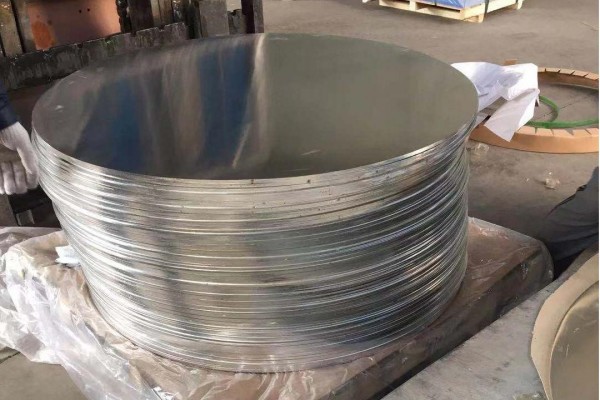
In today’s precision manufacturing and industrial processing sectors, material selection often determines the performance and reliability of the final product. Precision-Cut 3003 Aluminum Discs, as versatile, high-performance metal components, have become a key foundational material for numerous industries. These precision-processed aluminum discs not only inherit the excellent comprehensive properties of the 3003 aluminum alloy series but also achieve significant improvements in dimensional accuracy and edge quality through advanced cutting technologies. They are widely used in high-end fields such as aerospace, automotive manufacturing, electronic equipment, cookware production, and architectural decoration.
一. In-depth Analysis of 3003 Aluminum Alloy Material
1.1 Alloy Composition and Microstructure
3003 aluminum alloy belongs to the aluminum-manganese alloy series and is one of the most widely used rust-proof aluminum alloys. Its standard chemical composition is clearly defined in major domestic and international standards:
Table 1: Standard Chemical Composition of 3003 Aluminum Alloy (Weight Percentage %)
| Element |
Al |
Mn |
Cu |
Fe |
Si |
Zn |
Other Individual |
Other Total |
| Content |
Balance |
1.0-1.5 |
0.05-0.20 |
≤0.7 |
≤0.6 |
≤0.10 |
≤0.05 |
≤0.15 |
The addition of manganese is key to optimizing the performance of 3003 aluminum alloy. Manganese forms Al6Mn dispersed phases in aluminum. These fine particles effectively inhibit grain boundary movement and dislocation motion, thereby enhancing alloy strength without significantly reducing plasticity. The trace addition of copper further improves the alloy’s machinability and mechanical properties.
1.2 Physical and Mechanical Performance Characteristics
The superior performance of 3003 aluminum alloy discs stems from its unique combination of material characteristics:
Density and Weight Advantage: The density of 3003 aluminum alloy is approximately 2.73 g/cm³, only one-third that of steel. This characteristic is highly valuable in applications requiring lightweighting, such as aerospace components and structural parts for mobile electronic devices.
Mechanical Performance: In the H14 half-hard state, typical mechanical properties are: tensile strength ≥140 MPa, yield strength ≥115 MPa, elongation ≥8%. These properties can be further adjusted through heat treatment and cold working to meet different application requirements.
Thermal and Electrical Characteristics: Thermal conductivity is approximately 193 W/(m·K), making 3003 aluminum discs an ideal choice for heat dissipation components; electrical conductivity is approximately 42% IACS, performing well in applications requiring electromagnetic shielding or conductivity.
1.3 Corrosion Resistance Performance Analysis
One of the most significant advantages of 3003 aluminum alloy is its excellent corrosion resistance. The dense oxide film (Al₂O₃) naturally formed on the aluminum surface, about 2-10 nm thick, effectively prevents further oxidation of the substrate. In the 3003 alloy, the addition of manganese further enhances the stability of the oxide film, making it perform excellently in the following environments:
- Atmospheric environments: including industrial, marine, and rural atmospheres
- Freshwater and seawater: good corrosion resistance in most natural water bodies
- Chemical media: good resistance to most organic acids and inorganic salt solutions
Table 2: Comparison of Corrosion Rates for 3003 Aluminum Alloy in Different Environments
| Environment Type |
Corrosion Rate (mm/year) |
Rating |
Recommended Protection Measures |
| Rural Atmosphere |
0.0001-0.001 |
Excellent |
No special protection required |
| Industrial Atmosphere |
0.001-0.01 |
Good |
Optional anodizing |
| Marine Atmosphere |
0.01-0.03 |
Moderate |
Recommended anodizing or coating |
| Seawater Immersion |
0.02-0.05 |
Moderate |
Requires anti-corrosion coating or cathodic protection |
二. Precision Cutting Processes and Technical Standards
2.1 Cutting Methods and Technological Evolution
The manufacturing quality of Precision-Cut 3003 Aluminum Discs largely depends on the selection and optimization of cutting processes. Modern aluminum disc processing primarily employs the following precision cutting technologies:
CNC Laser Cutting: Utilizes high-power fiber lasers, with computer-precise control of cutting paths to achieve high-precision cutting of complex contours. Advantages include:
- Cutting accuracy up to ±0.05 mm
- Minimum kerf width only 0.1-0.3 mm
- No tool wear, excellent consistency
- Suitable for small-to-medium batch, multi-variety production
CNC Waterjet Cutting: Uses ultra-high-pressure water jets (pressure up to 6000 bar) mixed with abrasives for cutting. Characteristics include:
- No heat-affected zone during cutting, material properties unchanged
- Capable of cutting aluminum up to 200 mm thick
- Environmentally friendly, no pollution, no harmful gases produced
Precision Stamping Cutting: For large-volume standardized production, precision die stamping offers significant efficiency advantages:
- High production efficiency, up to hundreds of pieces per minute
- Excellent dimensional consistency
- Unit cost significantly decreases with increased volume
2.2 Dimensional Tolerances and Quality Control
The dimensional accuracy of precision aluminum discs is a key indicator of their quality. Henan Huawei Aluminum Co., Ltd. strictly adheres to the following tolerance standards:
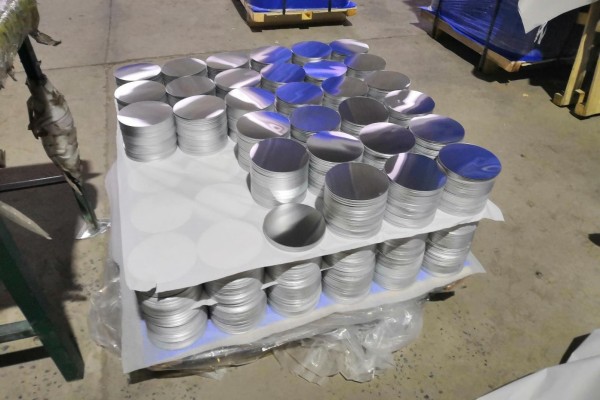
Table 3: Standard Tolerance Range for Precision-Cut 3003 Aluminum Discs
| Dimension Parameter |
Standard Tolerance Grade |
Precision Tolerance Grade |
Ultra-Precision Grade |
| Diameter Tolerance |
±0.15 mm |
±0.05 mm |
±0.02 mm |
| Thickness Tolerance |
±0.05 mm |
±0.02 mm |
±0.01 mm |
| Parallelism |
0.1 mm/100mm |
0.03 mm/100mm |
0.01 mm/100mm |
| Surface Roughness Ra |
1.6 μm |
0.8 μm |
0.4 μm |
The quality control system employs full-process monitoring, including raw material incoming inspection, process parameter monitoring, finished product dimensional measurement with coordinate measuring machines, and mechanical property sampling tests, ensuring that each batch of Precision-Cut 3003 Aluminum Discs meets or exceeds customer requirements.
2.3 Edge Quality and Subsequent Processability
The edge quality from precision cutting directly affects the subsequent processing performance and service life of aluminum discs. High-quality cutting should ensure:
- Burr-Free Design: Ensuring smooth, burr-free edges through secondary deburring processes or optimized cutting parameters
- Microstructural Integrity: Avoiding grain coarsening or phase transformation caused by the heat-affected zone of cutting
- Right-Angle Accuracy: Edge perpendicularity deviation controlled within 0.5°, ensuring assembly accuracy
Optimizing edge quality reduces subsequent machining steps, lowers overall manufacturing costs, and improves component fatigue life and reliability.
三. Application Fields of Precision-Cut 3003 Aluminum Discs
3.1 Aerospace and Defense Industries
In the aerospace field, the balance between weight and strength is crucial. 3003 aluminum alloy discs, with their excellent strength-to-weight ratio, are widely used in:
- Aircraft interior panels and decorative parts
- Satellite structural components and brackets
- Avionics heat dissipation substrates
- Lightweight structural components for missiles and spacecraft
In these applications, Precision-Cut 3003 Aluminum Discs typically require special surface treatments (such as hard anodizing) and strict non-destructive testing to ensure reliability in extreme environments.
3.2 Automotive Manufacturing and Transportation Engineering
Automotive lightweighting is an industry trend, with aluminum components rapidly replacing traditional steel. Applications of 3003 aluminum discs in the automotive industry include:
- Engine radiator and intercooler end caps
- New energy vehicle battery trays and heat dissipation plates
- Interior decorative parts and identification plates
- Sensor brackets and mounting bases
Table 4: Performance Advantages of 3003 Aluminum Discs in Automotive Components
| Application Component |
Main Performance Requirements |
Advantages of 3003 Aluminum Discs |
Comparison with Alternative Materials |
| Radiator End Cap |
Thermal conductivity, corrosion resistance, brazeability |
Thermal conductivity 193 W/(m·K), resistant to coolant corrosion |
Better than brass, 35% lighter |
| Battery Heat Dissipation Plate |
Lightweighting, uniform heat conduction, insulation |
Lightweight, good thermal diffusivity |
Better than steel, 65% lighter |
| Interior Decorative Parts |
Aesthetics, formability, scratch resistance |
Excellent anodizing coloring capability |
Better than plastic, superior texture |
3.3 Electronic, Electrical, and Communication Equipment
In the electronics field, 3003 aluminum discs serve multiple roles as structural components, heat dissipation parts, and electromagnetic shielding elements:
- Integrated circuit heat dissipation substrates and heat sinks
- 5G base station waveguide components and shielding covers
- Power electronic equipment enclosures and mounting plates
- LED lighting heat sinks and reflectors
In these applications, the dimensional accuracy from precision cutting ensures component assembly compatibility, while aluminum’s natural conductivity provides good grounding and electromagnetic shielding performance.
3.4 Cookware and Food Processing Equipment
The excellent corrosion resistance and food safety of 3003 aluminum alloy make it an ideal choice for cookware manufacturing:
- Pot and pan base materials
- Baking molds and trays
- Food processing machinery parts
- Kitchen equipment decorative panels
In cookware applications, aluminum discs typically require special surface treatments (such as hard anodizing, ceramic coating, or non-stick coating) to ensure food safety and durability.
四. Surface Treatment and Functional Optimization
4.1 Anodizing Technology
Anodizing is the most commonly used aluminum surface treatment technology. By forming a porous aluminum oxide film on the aluminum surface, it significantly enhances performance:
Decorative Anodizing: Typically 5-15μm thick, primarily providing aesthetic effects and basic protection, available in various colors through dyeing.
Hard Anodizing: Thickness can reach 25-150μm, surface hardness up to HV400-600, approaching hard alloy, greatly improving wear resistance. Particularly suitable for high-wear environments like hydraulic components and bearing surfaces.
Micro-arc Oxidation: Generates a ceramic-like surface layer under a high-voltage electric field, with extremely high hardness (HV800-2500), good insulation properties, and resistance to high-temperature corrosion.
4.2 Coating and Plating Technologies
Depending on different application needs, 3003 aluminum discs can employ various functional coatings:
- Powder Coating: Provides rich color options and good weather resistance
- Fluorocarbon Coating: Superb weather resistance, suitable for outdoor architectural applications
- Conductive Coating: Forms a conductive layer on the surface for special electromagnetic applications
- Non-Stick Coating: Such as Teflon, used for cookware and food processing equipment
4.3 Mechanical Surface Treatments
In addition to chemical treatments, mechanical treatments can also significantly alter aluminum disc surface characteristics:
- Brushing: Forms uniform linear textures, aesthetically pleasing and capable of masking minor scratches
- Mirror Polishing: Surface roughness can reach Ra<0.1μm, used for high reflectivity applications
- Sandblasting: Forms a uniform matte surface, improving coating adhesion
五. Selection and Application Guidelines
5.1 Specification Parameter Selection
Selecting suitable Precision-Cut 3003 Aluminum Discs requires consideration of the following key parameters:
- Thickness Selection: Determined based on structural strength requirements, forming processes, and weight constraints
- Thin type (0.3-1.0mm): For light-load structural parts, decorative parts
- Medium type (1.0-3.0mm): General-purpose mechanical structural parts
- Thick type (3.0-6.0mm): Heavy-load structural parts, applications requiring high rigidity
- Diameter Range: Standard diameters 6-1000mm, larger sizes can be customized
- Heat Treatment State:
- O state (annealed): Fully softened, optimal formability
- H14 state: Half-hard state, balance of strength and formability
- H18 state: Full-hard state, highest strength, limited formability
5.2 Design Considerations
When using 3003 aluminum discs for product design, note the following:
- Formability Considerations: 3003 aluminum alloy has good deep-drawing performance, with a limiting drawing ratio up to 2.2
- Joining Techniques: Suitable for various joining methods such as welding (TIG/MIG), riveting, bonding
- Coefficient of Thermal Expansion: 23.2×10⁻⁶/℃ (20-100℃), design must consider thermal expansion effects
- Recyclability: Aluminum recycling rate can exceed 95%, low environmental impact
5.3 Procurement and Quality Control
When procuring Precision-Cut 3003 Aluminum Discs, pay attention to the supplier’s capabilities in:
- Material traceability system: Ensuring reliable raw material sources
- Process quality control: Real-time monitoring of key process parameters
- Testing equipment: Coordinate measuring machines, spectrometers, mechanical testing machines, etc.
- Certification systems: Industry-related certifications such as ISO9001, IATF16949
六. Frequently Asked Questions (FAQ)
Q1: What is the maximum operating temperature for Precision-Cut 3003 Aluminum Discs?
A: The recommended continuous operating temperature for 3003 aluminum alloy should not exceed 150°C. Short-term peak temperatures can reach 250°C but may cause some degree of annealing and softening. For high-temperature applications, consider using 3003 aluminum alloy in H14 or H18 states, or upgrading to higher-temperature grade aluminum alloys like 5052 or 6061. In high-temperature environments, the material’s mechanical properties gradually decline. When exceeding 200°C, detailed thermal stress analysis is recommended.
Q2: How do I choose the most suitable surface treatment for my application?
A: The choice of surface treatment depends on the application environment, functional requirements, and aesthetic needs:
- Indoor decorative parts: Can choose anodizing with dyeing (various colors) or powder coating
- High-wear environments: Recommend hard anodizing (thickness 25-100μm)
- Outdoor architectural applications: Prefer fluorocarbon coating or anodizing with sealing
- Food contact applications: Must choose coatings compliant with FDA or EU 10/2011 standards
- Heat dissipation applications: Recommend maintaining bare aluminum surface or thin-layer anodizing to maintain thermal conductivity
Q3: Do the cut edges of 3003 aluminum alloy discs require additional treatment?
A: This depends on the specific application. For most applications, the edge quality provided by our precision cutting technology is sufficient and requires no additional treatment. However, additional edge treatment is recommended in the following situations:
- Applications requiring extremely high fatigue strength: Recommend deburring and slight rounding (R0.1-0.3mm)
- Applications requiring electrical insulation: Edges may require oxidation or coating
- Applications requiring tight fit with other materials: May require fine grinding or polishing of edges
- Edges involving human contact: Must be completely deburred to prevent cuts
Q4: How is dimensional consistency ensured for bulk purchases of aluminum discs?
A: Henan Huawei Aluminum employs a multi-level quality control system to ensure dimensional consistency:
- Equipment level: Uses high-precision CNC cutting equipment with regular laser calibration
- Process level: Performs first-article full-dimension inspection before each production batch, with sampling inspection during the process
- Batch level: Performs full inspection with coordinate measuring systems or AQL sampling inspection for each finished batch
- Statistical level: Implements SPC statistical process control to monitor CPK values of key dimensions
We commit to a standard tolerance of ±0.05mm, with actual CPK values typically ≥1.67, ensuring long-term stability.
Q5: What are the main performance differences between 3003 aluminum discs and 5052 aluminum discs?
A: 3003 and 5052 are two commonly used aluminum alloys. The main differences are as follows:
七. About Henan Huawei Aluminum Co., Ltd.
Henan Huawei Aluminum Co., Ltd. is a leading Chinese manufacturer of aluminum processing products, specializing in the research, development, and production of high-quality aluminum plates, strips, foils, and precision aluminum components. Founded in 2000, after over twenty years of continuous development, the company has established a complete industrial chain from melting and casting, hot rolling, cold rolling to precision processing.

7.1 Production Capabilities and Equipment Advantages
The company possesses world-advanced production equipment, ensuring high-quality production of Precision-Cut 3003 Aluminum Discs:
- 6 precision CNC laser cutting lines, maximum processing diameter 1500mm
- 8 high-precision CNC punching machines, suitable for large-volume standardized production
- 3 fully automated anodizing production lines, processing capacity up to 300 tons per month
- Complete testing equipment including coordinate measuring machines and spectrometers
7.2 Technical Research and Development and Quality Control
The company’s technical R&D center employs 12 senior engineers, focusing on:
- Aluminum alloy material modification and new alloy development
- Precision processing process optimization and innovation
- Surface treatment technology research and improvement
- Application solution development and testing
The quality control system is certified to ISO9001:2015 and implements IATF16949 automotive industry quality management standards, ensuring full-process traceability and control from raw materials to finished products.
7.3 Service Philosophy and Market Coverage
Henan Huawei Aluminum adheres to a “customer-centric” service philosophy, providing:
- Customized solutions: Adjusting alloy composition, dimensional specifications, and surface treatments according to customer needs
- Technical support: Providing material selection and processing recommendations from the design stage
- Flexible supply: Supporting small-batch trial production to large-volume stable supply
- Global logistics: Products have been exported to over 40 countries and regions worldwide
Our Precision-Cut 3003 Aluminum Discs have been widely used in global automotive manufacturing, electronic communications, architectural decoration, and industrial equipment fields, earning the trust and cooperation of numerous internationally renowned enterprises.
7.4 Sustainable Development Commitment
As a responsible manufacturer, we are committed to sustainable development:
- Environmentally friendly production: Utilizes closed-loop water circulation systems and exhaust gas treatment devices
- Energy efficiency: Renewable energy accounts for 30% of production process energy use
- Material recycling: Aluminum material recycling rate exceeds 95%
- Community responsibility: Actively participates in local community construction and educational support
Properties of the aluminum circle:
Aluminum circle is suitable for many markets, including cookware, automotive and lighting industries, etc., thanks to good product characteristics:
- Low anisotropy, which facilitates deep drawing
- Strong mechanical properties
- High and homogeneous heat diffusion
- Ability to be enameled, covered by PTFE (or others), anodized
- Good reflectivity
- High strength-to-weight ratio
- Durability and resistance to corrosion
Aluminum Circles Process
Ingot/Master Alloys — Melting Furnace – Holding Furnace — D.C. Caster — Slab —- Scalper — Hot Rolling Mill – Cold Rolling Mill – Punching – Annealing Furnace — Final Inspection – Packing — Delivery
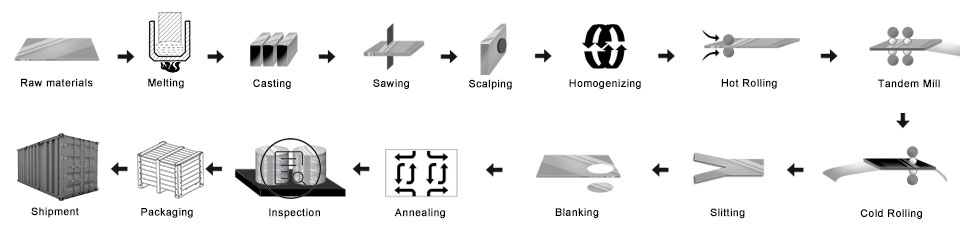
- Prepare the master alloys
- Melting furnace: put the alloys into the melting furnace
- D.C.cast aluminum ingot: To make the mother ingot
- Mill the aluminum ingot: to make the surface and side smooth
- Heating furnace
- Hot rolling mill: made the mother coil
- Colding rolling mill: the mother coil was rolled as the thickness you want to buy
- Punching process: become the size what you want
- Annealing furnace: change the temper
- Final inspection
- Packing: wooden case or wooden pallet
- Delivery
Quality Control
Assurance Below inspection will be done in the production.
- a. ray detection—RT;
- b. ultrasonic testing—UT;
- c. Magnetic Particle Testing-MT;
- d. penetration testing-PT;
- e. eddy current flaw detection-ET
1) Be free from Oil Stain, Dent, Inclusion, Scratches, Stain, Oxide Discoloration, Breaks, Corrosion, Roll Marks, Dirt Streaks, and other defects which will interfere with use.
2) Surface without black line, clean-cut, periodic stain, roller printing defects, such as other gko internal Control standards.
Aluminum discs packing:
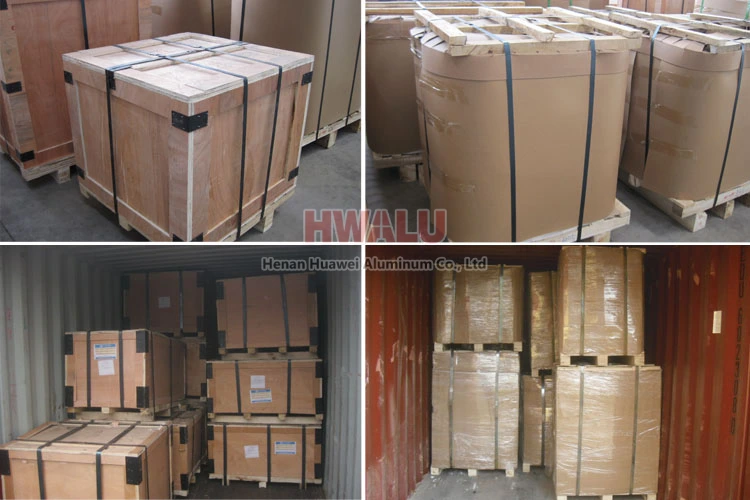
Aluminum circles can be packed by export standards, covering with brown paper and plastic film. Finally, the Aluminium Round is fixed on a wooden pallet/wooden case.
- Put the driers side the aluminum circle, keep the products dry and clean.
- Use clean plastic paper, pack the aluminium circle, keep good sealing.
- Use the snakeskin paper, pack the surface of the plastic paper, keep good sealing.
- Next, there are two ways of packaging: One way is wooden pallet packaging, using the crusty paper packing the surface; Another way is wooden case packaging, using the wooden case packing the surface.
- Finally, lay the steel belt on the wooden box’s surface, keeping the wooden box fastness and secure.
Aluminum circle of Henan Huawei Aluminum. meet the export standard. Plastic film and brown paper can be covered at customers’ needs. What’s more, a wooden case or wooden pallet is adopted to protect products from damage during delivery. There are two kinds of packaging, which are eye to wall or eye to the sky. Customers can choose either of them for their convenience. Generally speaking, there are 2 tons in one package, and loading 18-22 tons in 1×20′ container, and 20-24 tons in 1×40′ container.
Why choose us?
In order to move with the times, HWALU keeps introducing the state of the art equipment and technique to improve its competitiveness. Always adhere to the business philosophy of quality as the center and customer first, to provide the highest quality aluminum disc circle series products to all parts of the world. More …

