तनाव से राहत की घोषणा 3003 नट कैन बॉटम्स के लिए एल्यूमिनियम डिस्क: उच्च तापमान भरने की स्थिति के तहत उभार को नियंत्रित करना
अमूर्त
यह श्वेत पत्र थर्मल-मैकेनिकल व्यवहार और प्रक्रिया नियंत्रण रणनीतियों की पड़ताल करता है 3003 नट कैन बॉटम्स के लिए एल्यूमीनियम डिस्क उच्च तापमान भरने की स्थिति के तहत. नट डिब्बाबंदी उद्योग में एक बार-बार आने वाली समस्या गर्म सामग्री भरने के बाद तल पर थर्मल उभार या विकृति है (आमतौर पर 80-95 डिग्री सेल्सियस). यह विकृति उत्पाद की अखंडता से समझौता करती है, उपभोक्ता धारणा, और पैकेजिंग सुरक्षा.
इस पर बात करो, अध्ययन की भूमिका की जांच करता है तनाव मुक्ति एनीलिंग भीतर अवशिष्ट तनाव संचय को कम करने में 3003 मिश्र धातु सूक्ष्म. तापमान का अनुकूलन करके, समय, और शीतलन दरें, निर्माता कठोरता या संरचना से समझौता किए बिना उभार को प्रभावी ढंग से कम कर सकते हैं. पेपर सैद्धांतिक मॉडलों को जोड़ता है, धातुकर्म सिद्धांत, और उत्पादन-स्तरीय परीक्षणों से प्राप्त अनुभवजन्य डेटा.

1. परिचय
जैसे-जैसे वैश्विक अखरोट और स्नैक पैकेजिंग बाजार का विस्तार जारी है, उच्च स्तरीय और टिकाऊ अनुप्रयोगों के लिए हल्की धातु पैकेजिंग एक पसंदीदा विकल्प बन गई है. एल्युमीनियम के फायदे- हल्का वजन, जंग प्रतिरोध, और उत्कृष्ट निर्माणशीलता—इसे इसके लिए एक महत्वपूर्ण सामग्री बनाती है नट नीचे कर सकते हैं.
हालाँकि, भरने की प्रक्रियाओं में आम तौर पर गर्म सीलिंग और स्टरलाइज़ेशन चरण शामिल होते हैं जो लंबे समय तक शरीर और तली को उच्च तापमान पर उजागर करते हैं. थर्मल विस्तार और पहले से मौजूद अवशिष्ट तनाव के बीच बेमेल का परिणाम हो सकता है थर्मल उभार, जो वायुरोधी सील को बाधित करता है और उत्पाद की ज्यामिति को विकृत कर सकता है.
इस श्वेत पत्र का उद्देश्य इस मुद्दे के लिए प्रक्रिया-स्तरीय समाधानों की पहचान करना है तनाव मुक्ति एनीलिंग अनुकूलन. चयनित मिश्रधातु, 3003 अल्युमीनियम, मध्यम शक्ति वाली अल-एमएन श्रृंखला की सामग्री है, उत्कृष्ट संक्षारण प्रतिरोध, और अच्छी प्लास्टिसिटी - अनुप्रयोगों को बनाने और मुद्रांकन करने के लिए आदर्श गुण.
इस अध्ययन का फोकस है:
- मात्रा निर्धारित करें कि तनाव राहत एनीलिंग आंतरिक तनाव वितरण को कैसे प्रभावित करती है;
- उभार को कम करने के लिए इष्टतम एनीलिंग मापदंडों को परिभाषित करें;
- उच्च उत्पादकता और सतत गुणवत्ता के साथ औद्योगिक व्यवहार्यता सुनिश्चित करें;
- के अंतर्गत तकनीकी दिशानिर्देश प्रदान करें एएसटीएम बी209, जीबी/टी 3880, तथा एनबीबी 00152002 मानकों.
2. सामग्री अवलोकन: 3003 एल्यूमीनियम मिश्र धातु
2.1 मिश्र धातु संरचना
3003 एल्यूमीनियम मिश्र धातु में मुख्य रूप से मैंगनीज के साथ एल्यूमीनियम होता है जो मुख्य मिश्र धातु तत्व होता है, आम तौर पर 1.0-1.5 की सीमा में %. तांबे की मात्रा का पता लगाएं (0.05–0.2 %) ताकत को थोड़ा बढ़ाने के लिए भी शामिल किया गया है.
| तत्व |
रचना रेंज (%) |
मानक संदर्भ |
| अली |
संतुलन |
एएसटीएम बी209 |
| एम.एन. |
1.0–1.5 |
जीबी/टी 3190 |
| साथ में |
0.05–0.2 |
एएसटीएम बी209 |
| फ़े + और |
≤0.7 |
जीबी/टी 3190 |
| Zn |
≤0.10 |
एएसटीएम बी209 |
यह रचना जुर्माना सुनिश्चित करती है, स्थिर अनाज संरचना जो ठंड में काम करने के बाद ताकत बनाए रखती है और पुन: क्रिस्टलीकरण क्रैकिंग के बिना तनाव से राहत देती है.
2.2 यांत्रिक और भौतिक गुण
| संपत्ति |
लपेटा हुआ (एच14) |
annealed (हे) |
परिक्षण विधि |
| तन्यता ताकत (एमपीए) |
150-180 |
95-125 |
जीबी/टी 228.1 |
| नम्य होने की क्षमता (एमपीए) |
120-140 |
35-60 |
एएसटीएम ई8 |
| बढ़ाव (%) |
10-15 |
25-30 |
जीबी/टी 228.1 |
| घनत्व (जी/सेमी³) |
2.73 |
2.73 |
एएसटीएम बी311 |
| थर्मल विस्तार का गुणांक (10⁻⁶/के) |
23.2 |
23.4 |
एएसटीएम ई831 |
नरम हो गया (हे) गहरी ड्राइंग और कैन की तली बनाने के लिए स्वभाव की स्थिति आदर्श है. हालाँकि, गर्मी के तहत विरूपण से बचने के लिए मुद्रांकन प्रक्रिया से अवशिष्ट तनाव और स्थानीय तनाव का सावधानीपूर्वक इलाज किया जाना चाहिए.

3. उच्च तापमान भरने के तहत उभार का तंत्र
गर्म भरने के दौरान, अखरोट के डिब्बे 80-100 डिग्री सेल्सियस के बीच तापमान के संपर्क में आते हैं. निचला पैनल, पतले से बना है 3003 एल्यूमीनियम डिस्क, गैर-समान थर्मल विस्तार का अनुभव करता है.
निम्नलिखित कारक उभार में योगदान करते हैं:
- ठंडे काम से बचा हुआ तनाव:
स्टैम्पिंग और गहरी ड्राइंग डिस्क की मोटाई में संपीड़ित और तन्य तनाव उत्पन्न करती है.
- भरने के दौरान थर्मल ग्रेडिएंट:
भीतरी सतह तेजी से गर्म हो जाती है जबकि बाहरी सतह ठंडी रहती है, विभेदक विस्तार पैदा करना.
- अपर्याप्त तनाव राहत:
यदि एनीलिंग अधूरी है, बरकरार रखा गया तनाव थर्मल तनाव के साथ सहक्रियात्मक रूप से कार्य करता है, नीचे को बाहर की ओर धकेलना.
- अपर्याप्त मोटाई या अनाज संरचना:
गैर-समान अनाज या कमजोर सीमाएँ दबाव में स्थानीय उपज को प्रोत्साहित करती हैं.
परिमित तत्व मॉडल और मेटलोग्राफिक विश्लेषण से पता चलता है कि उभरा हुआ तनाव अघोषित नमूनों के लिए उपज शक्ति के 70-90% पर चरम पर पहुंच जाता है।, जबकि एनील्ड वाले 40% से नीचे रहते हैं - जो तनाव राहत की प्रभावशीलता को दर्शाता है.
4. तनाव राहत एनीलिंग के मूल सिद्धांत
तनाव राहत एनीलिंग का उद्देश्य अनाज की महत्वपूर्ण वृद्धि या ताकत के नुकसान के बिना आंतरिक तनाव को कम करना है. के लिए 3003 नट कैन बॉटम्स के लिए एल्यूमीनियम डिस्क, महत्वपूर्ण तापमान सीमा 250-380 डिग्री सेल्सियस के बीच है.
4.1 पुनर्प्राप्ति और पुनः क्रिस्टलीकरण का सिद्धांत
- पुनर्प्राप्ति चरण (250-310 डिग्री सेल्सियस):
अव्यवस्था पुनर्व्यवस्था एवं प्रलय होती है, अनाज की आकृति विज्ञान में बदलाव किए बिना अवशिष्ट तनाव को कम करना.
- आंशिक पुनर्क्रिस्टलीकरण (310-360 डिग्री सेल्सियस):
नए अनाज उच्च-ऊर्जा सीमाओं के साथ केन्द्रित होते हैं, लचीलापन और तनाव एकरूपता बढ़ाना.
- अति-एनीलिंग (>380 डिग्री सेल्सियस):
अत्यधिक अनाज की वृद्धि संरचनात्मक अखंडता को कमजोर करती है और उभार के लिए यांत्रिक प्रतिरोध को कम करती है.
4.2 मुख्य नियंत्रण पैरामीटर
| पैरामीटर |
अनुशंसित सीमा |
सूक्ष्म संरचना पर प्रभाव |
| तापमान |
300-350 डिग्री सेल्सियस |
पुनर्प्राप्ति को बढ़ावा देता है, अनाज की वृद्धि को सीमित करता है |
| अपने पास रखने की अवधि |
30-90 मिनट |
पूर्ण तनाव विश्राम सुनिश्चित करता है |
| तापन दर |
3-5 डिग्री सेल्सियस/मिनट |
सतह ऑक्सीकरण को रोकता है |
| शीतलन दर |
≤10 डिग्री सेल्सियस/मिनट |
थर्मल ग्रेडिएंट तनाव को कम करता है |
इन मापदंडों का अनुपालन संरेखित है जीबी/टी 3190, एएसटीएम बी918, तथा एनबीबी 00202003 प्रक्रिया दिशानिर्देश.

5. प्रायोगिक पद्धति
शेन्ज़ेन हुआवी एल्युमीनियम कंपनी में औद्योगिक पैमाने पर परीक्षण आयोजित किए गए।, लिमिटेड. का उपयोग करते हुए 0.65 मिमी मोटी, 95 मिमी व्यास 3003 एल्यूमीनियम डिस्क.
5.1 प्रयोगात्मक स्थापना
- भट्ठी: पीआईडी नियंत्रण के साथ सतत बेल्ट-प्रकार एनीलिंग भट्ठी
- वायुमंडल: नाइट्रोजन + 0.5% हाइड्रोजन
- माप: स्ट्रेन गेज और ऑप्टिकल फ़्लैटनेस डिटेक्शन
- सिमुलेशन भरना: 95 डिग्री सेल्सियस विआयनीकृत पानी के लिए 2 मिनट, तुरंत सील कर दिया गया
5.2 नमूना मैट्रिक्स
| नमूना संख्या. |
एनीलिंग तापमान (डिग्री सेल्सियस) |
अपने पास रखने की अवधि (मिन) |
शीतलन दर (डिग्री सेल्सियस/मिनट) |
उभार की ऊंचाई (मिमी) |
| एस 1 |
280 |
30 |
15 |
1.82 |
| एस 2 |
320 |
60 |
10 |
0.93 |
| एस3 |
340 |
45 |
8 |
0.61 |
| एस 4 |
360 |
90 |
5 |
0.88 |
| S5 |
380 |
60 |
5 |
1.44 |
5.3 परिणाम चर्चा
320-340 डिग्री सेल्सियस के बीच जांचे गए नमूनों में सबसे कम उभार दिखाई दिया (<1 मिमी). तापमान ऊपर 370 डिग्री सेल्सियस के कारण सूक्ष्म संरचनात्मक खुरदुरापन पैदा हुआ, जिसके परिणामस्वरूप यांत्रिक स्थिरता कम हो गई.
6. सूक्ष्म संरचनात्मक विश्लेषण
ऑप्टिकल माइक्रोस्कोपी और एसईएम विश्लेषण से पता चला कि प्री-एनील्ड नमूनों में लंबे दाने थे (आस्पेक्ट अनुपात >2.5), जबकि इष्टतम ढंग से एनील्ड किए गए नमूनों में समअक्षीय दाने प्रदर्शित हुए (~15-20 µm).
एक्स-रे विवर्तन के माध्यम से अवशिष्ट तनाव मानचित्रण की पुष्टि की गई:
- लपेटा हुआ: 38-42 एमपीए अवशिष्ट तनाव
- एनीलिंग के बाद 330 डिग्री सेल्सियस/60 मिनट: 12 एमपीए
- कमी अनुपात: 70%
इसका सीधा संबंध समतलता और उभरे हुए प्रतिरोध में देखे गए सुधार से है.

7. प्रक्रिया अनुकूलन मॉडल
इष्टतम एनीलिंग तापमान की भविष्यवाणी करने के लिए एक अनुभवजन्य समीकरण विकसित किया गया था (T_opt) ठंड में कमी अनुपात के एक कार्य के रूप में (आर) और लक्ष्य तनाव (σ_लक्ष्य):
[टी_{चुनना} = 290 + 0.9आर + 0.8\सिग्मा_{लक्ष्य}]
जहां R प्रतिशत में है और σ_target MPa में है.
उदाहरण:
आर = के लिए 35% और σ_लक्ष्य = 12 एमपीए,
[टी_{चुनना} = 290 + 0.9(35) + 0.8(12) = 343.6 डिग्री सेल्सियस]
यह 320-340 डिग्री सेल्सियस की प्रायोगिक इष्टतम सीमा से संबंधित है.
8. औद्योगिक अनुप्रयोग और मान्यता
8.1 विनिर्माण में एकीकरण
हुआवी एल्युमीनियम की औद्योगिक लाइनों ने अनुकूलित एनीलिंग प्रोटोकॉल लागू किया:
- सतत एनीलिंग भट्टी सेट 335 डिग्री सेल्सियस
- लाइन की गति: 1.2 मी/मेरा
- नियंत्रित वायु प्रवाह के साथ ठंडा करना (8 डिग्री सेल्सियस/मिनट)
प्रक्रिया के बाद के निरीक्षण से पता चला 92% कमी उभड़ा हुआ दोष दर और ए में 12% सुधार आयामी स्थिरता में.
8.2 वास्तविक भरने की शर्तों के तहत प्रदर्शन
- गरम भरण: 92 डिग्री सेल्सियस मूंगफली तेल मिश्रण
- अपने पास रखने की अवधि: 3 मिन
- शीतलक: प्राकृतिक वायु संवहन
अंदर कोई उभार नहीं देखा गया >98% के बाद नमूनों की 24 एच भंडारण.
8.3 आर्थिक प्रभाव
ऊर्जा दक्षता में वृद्धि हुई 8% अति-एनीलिंग कम होने के कारण, जबकि उत्पाद अस्वीकृति दर में कमी आई 3.4% प्रति 0.3%.
9. बहस
निष्कर्ष इस बात की पुष्टि करते हैं कि तनाव मुक्ति एनीलिंग तंत्र अव्यवस्था संरचनाओं को स्थिर करके और अनाज की सीमाओं को परिष्कृत करके थर्मल विरूपण को महत्वपूर्ण रूप से कम करता है.
मुख्य टिप्पणियाँ:
- उभार मुख्य रूप से अवशिष्ट तनाव परिमाण द्वारा नियंत्रित होता है, मिश्रधातु रसायन नहीं.
- भरने के दौरान थर्मल ग्रेडियेंट पहले से मौजूद तनाव क्षेत्रों को बढ़ाते हैं.
- नियंत्रित एनीलिंग (320-340 डिग्री सेल्सियस) तनाव से राहत और यांत्रिक प्रतिधारण के बीच इष्टतम समझौता प्रदान करता है.
- इस प्रक्रिया का औद्योगिक स्केलिंग विश्वसनीयता और ब्रांड स्थिरता को बढ़ाता है.
10. निष्कर्ष
- अवशिष्ट तनाव में कमी:
अनुकूलित तनाव राहत एनीलिंग 330 ± 10 45-60 मिनट के लिए डिग्री सेल्सियस आंतरिक तनाव को ~70% तक कम कर देता है.
- उभड़ा हुआ नियंत्रण:
उभार की ऊँचाई सीमित की जा सकती है <1.0 मिमी, दृश्य और संरचनात्मक अखंडता सुनिश्चित करना.
- सूक्ष्म संरचना स्थिरता:
बारीक समबाहु अनाज अच्छी फॉर्मेबिलिटी बनाए रखते हुए उपज शक्ति एकरूपता को बढ़ाते हैं.
- औद्योगिक व्यवहार्यता:
निरंतर एनीलिंग भट्टियां और नियंत्रित शीतलन प्रणाली बड़े पैमाने पर पुनरुत्पादन सुनिश्चित करती हैं.
- आर्थिक लाभ:
कार्यान्वयन से लगभग USD की बचत होती है 0.018 कम दोषों और बेहतर थ्रूपुट के माध्यम से प्रति कैन.
यह अनुकूलित प्रक्रिया सक्षम बनाती है 3003 एल्यूमीनियम डिस्क नट कैन बॉटम्स के लिए अंतरराष्ट्रीय गुणवत्ता मानकों को पूरा करने और उच्च तापमान वाले वातावरण में उनकी प्रयोज्यता का विस्तार करने के लिए.
एल्यूमीनियम सर्कल के गुण:
एल्यूमिनियम सर्कल कई बाजारों के लिए उपयुक्त है, कुकवेयर सहित, मोटर वाहन और प्रकाश उद्योग, आदि।, अच्छे उत्पाद विशेषताओं के लिए धन्यवाद:
- कम अनिसोट्रॉपी, जो गहरी ड्राइंग की सुविधा प्रदान करता है
- मजबूत यांत्रिक गुण
- उच्च और सजातीय गर्मी प्रसार
- तामचीनी होने की क्षमता, PTFE द्वारा कवर किया गया (या अन्य), एनोड किए गए
- अच्छा परावर्तन
- उच्च शक्ति-से-वजन अनुपात
- जंग के लिए स्थायित्व और प्रतिरोध
एल्यूमिनियम सर्किल प्रक्रिया
पिंड/मास्टर मिश्र — मेल्टिंग फर्नेस - होल्डिंग फर्नेस — डी.सी.. कास्टर — पत्थर की पटिया —- स्कैल्पर — हॉट रोलिंग मिल - कोल्ड रोलिंग मिल - पंचिंग - एनीलिंग फर्नेस — अंतिम निरीक्षण - पैकिंग — वितरण
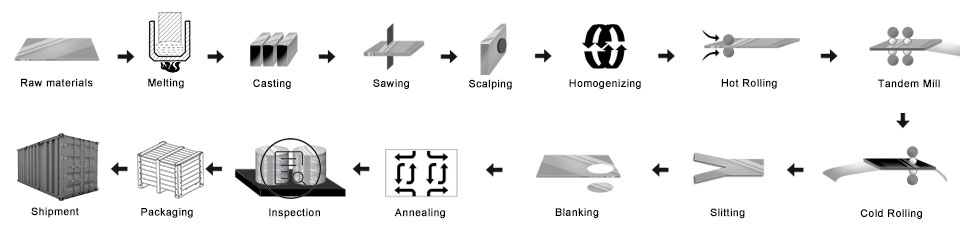
- मास्टर मिश्र तैयार करें
- पिघलती भट्टी: मिश्र धातुओं को पिघलने वाली भट्टी में डालें
- डीसी कास्ट एल्यूमीनियम पिंड: माँ को पिंड बनाने के लिए
- एल्यूमीनियम पिंड मिल: सतह और साइड को चिकना बनाने के लिए
- ताप भट्टी
- हॉट रोलिंग मिल: माँ का तार बनाया
- कोल्ड रोलिंग मिल: मदर कॉइल को उस मोटाई के रूप में रोल किया गया था जिसे आप खरीदना चाहते हैं
- छिद्रण प्रक्रिया: आप जो चाहते हैं उसका आकार बनें
- एनीलिंग भट्टी: मिजाज बदलो
- अंतिम निरीक्षण
- पैकिंग: लकड़ी के मामले या लकड़ी के फूस
- वितरण
गुणवत्ता नियंत्रण
आश्वासन नीचे निरीक्षण उत्पादन में किया जाएगा.
- ए. किरण का पता लगाना—आर टी;
- बी. अल्ट्रासोनिक परीक्षण—केन्द्र शासित प्रदेशों;
- सी. चुंबकीय कण परीक्षण-एमटी;
- डी. पैठ परीक्षण-पीटी;
- इ. एड़ी वर्तमान दोष का पता लगाने-ET
1) तेल के दाग से मुक्त रहें, काटने का निशान, समावेश, स्क्रैच, धब्बा, ऑक्साइड मलिनकिरण, ब्रेक, जंग, रोल मार्क्स, गंदगी की धारियाँ, और अन्य दोष जो उपयोग में हस्तक्षेप करेंगे.
2) काली रेखा के बिना सतह, तेज़ बाहर की रेखाओंवालअ, आवधिक दाग, रोलर मुद्रण दोष, जैसे अन्य gko आंतरिक नियंत्रण मानक.
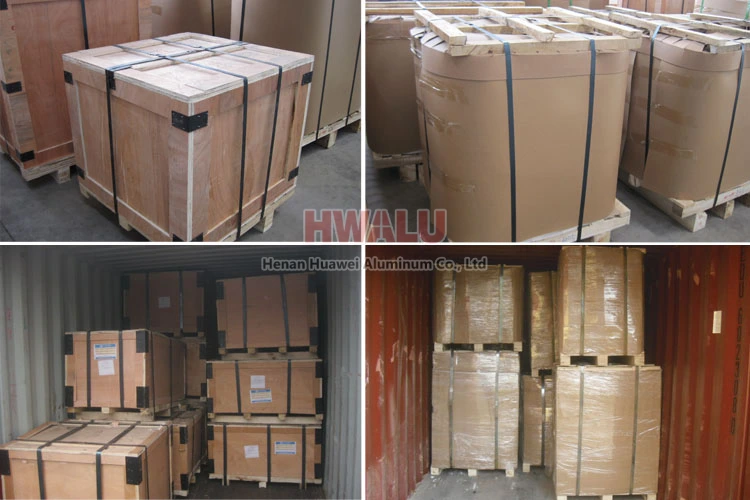
एल्यूमिनियम डिस्क पैकिंग:
एल्यूमिनियम सर्किल निर्यात मानकों द्वारा पैक किया जा सकता है, भूरे रंग के कागज और प्लास्टिक की फिल्म के साथ कवर करना. आखिरकार, एल्यूमिनियम दौर लकड़ी के फूस / लकड़ी के मामले पर तय किया गया है.
- एल्युमिनियम सर्कल के ऊपर ड्रायर्स लगा दें, उत्पादों को सूखा और साफ रखें.
- स्वच्छ प्लास्टिक पेपर का प्रयोग करें, एल्यूमीनियम सर्कल पैक करें, सीलिंग अच्छी रखें.
- सांप की खाल के कागज का प्रयोग करें, प्लास्टिक पेपर की सतह को पैक करें, सीलिंग अच्छी रखें.
- अगला, पैकेजिंग के दो तरीके हैं: लकड़ी के फूस की पैकेजिंग का एक तरीका है, सतह को पैक करने वाले क्रस्टी पेपर का उपयोग करना; दूसरा तरीका लकड़ी के मामले की पैकेजिंग है, सतह को पैक करने वाले लकड़ी के मामले का उपयोग करना.
- आखिरकार, लकड़ी के बक्से की सतह पर स्टील की बेल्ट बिछाएं, लकड़ी के बक्से को तेज और सुरक्षित रखना.
हेनान हुआवेई एल्यूमिनियम का एल्यूमिनियम सर्कल. निर्यात मानक को पूरा करें. प्लास्टिक की फिल्म और भूरे रंग के कागज को ग्राहकों की जरूरतों पर कवर किया जा सकता है. इससे ज्यादा और क्या, डिलीवरी के दौरान उत्पादों को नुकसान से बचाने के लिए लकड़ी के मामले या लकड़ी के फूस को अपनाया जाता है. पैकेजिंग दो प्रकार की होती है, जो आंख से दीवार या आंख से आसमान की ओर हैं. ग्राहक अपनी सुविधा के लिए इनमें से किसी एक को चुन सकते हैं. आम तौर पर बोलना, वहां 2 एक पैकेज में टन, और लोड हो रहा है 18-22 1×20′ कंटेनर में टन, तथा 20-24 1×40′ कंटेनर में टन.
हमारा चयन क्यों?
समय के साथ चलने के लिए, HWALU अपनी प्रतिस्पर्धात्मकता में सुधार के लिए अत्याधुनिक उपकरण और तकनीक पेश करता रहता है. हमेशा केंद्र और ग्राहक के रूप में गुणवत्ता के व्यापार दर्शन का पालन करें, दुनिया के सभी हिस्सों में उच्चतम गुणवत्ता वाले एल्यूमीनियम डिस्क सर्कल श्रृंखला उत्पाद प्रदान करने के लिए. अधिक …

