ट्रकों में गैस टैंक क्यों बनाये जाते हैं? 5083 एल्यूमीनियम मिश्र धातु?
HW-ए. परिचय: ट्रक एयर टैंक और मुख्य सामग्री आवश्यकताओं की कार्यात्मक स्थिति
ट्रक एयर टैंक वाणिज्यिक वाहन वायवीय प्रणालियों के महत्वपूर्ण घटक हैं. वे मुख्य रूप से संपीड़ित हवा संग्रहीत करते हैं (परिचालन दाब: 0.8-1.2एमपीए, डिजाइन दबाव: 1.5-2.0एमपीए) और पावर ब्रेकिंग, निलंबन, और दरवाजा नियंत्रण प्रणाली.
उनका परिचालन वातावरण तीन प्रमुख चुनौतियाँ प्रस्तुत करता है: “गतिशील तनाव” वाहन के कंपन से, “गंभीर क्षरण” सड़क के खारे पानी और धूल से, तथा “हल्की मांग” ईंधन दक्षता में सुधार करने के लिए.
ये चुनौतियाँ सख्त भौतिक आवश्यकताओं को लागू करती हैं: उच्च शक्ति (दबाव विरूपण का विरोध), उच्च संक्षारण प्रतिरोध (सड़क खतरों का सामना करना), हल्के (घनत्व ≤2.7g/cm³), और अच्छी फॉर्मैबिलिटी (वेल्डिंग/कताई के साथ संगत).
विशेष रूप से, 5083 ट्रक अनुप्रयोगों के लिए एल्यूमीनियम मिश्र धातु ट्रक एयर टैंक के लिए पसंदीदा विकल्प बन गया है. यह उपरोक्त सभी आवश्यकताओं को पूरा करता है और टिके रहता है 85% बाज़ार हिस्सेदारी का (स्रोत: 2024 चाइना एसोसिएशन ऑफ ऑटोमोबाइल मैन्युफैक्चरर्स द्वारा वाणिज्यिक वाहन सामग्री रिपोर्ट).

HW-बी. संरचना डिजाइन और मुख्य प्रदर्शन के लाभ 5083 ट्रक अनुप्रयोगों के लिए एल्यूमिनियम मिश्र धातु
यह ट्रक-ग्रेड 5083 एल्यूमीनियम मिश्र धातु 5-श्रृंखला अल-एमजी श्रेणी के अंतर्गत आता है, विशेष रूप से वाणिज्यिक वाहन उच्च दबाव घटकों के लिए डिज़ाइन किया गया. इसकी संरचना संतुलित होती है “शक्ति-संक्षारण प्रतिरोध-कठोरता” और जीबी/टी का पालन करता है 3880.2-2022 और एएसटीएम बी209एम मानक.
(ए) वैज्ञानिक संरचना डिजाइन
| तत्व (सामूहिक अंश) |
सामग्री सीमा |
मूलभूत कार्य |
एयर टैंक प्रदर्शन में योगदान |
| मिलीग्राम (मैगनीशियम) |
4.0-4.9% |
ठोस समाधान के माध्यम से प्राथमिक सुदृढ़ीकरण |
1.2MPa ऑपरेटिंग दबाव को सहन करता है (नम्य होने की क्षमता >210एमपीए), प्लास्टिक विरूपण को रोकना |
| एम.एन. (मैंगनीज) |
0.40-1.0% |
अनाज को परिष्कृत करता है, वेल्डेबिलिटी में सुधार करता है |
वेल्ड तनाव एकाग्रता को कम करता है; बरकरार रखती 85% वेल्डिंग के बाद बेस मेटल की ताकत |
| करोड़ (क्रोमियम) |
0.05-0.25% |
Al₇Cr₂ फैलाव बनाता है |
तनाव संक्षारण दरार को रोकता है (एस सी सी) यहां तक कि -40℃ पर भी |
| फ़े (लोहा)/और (सिलिकॉन) |
≤0.40%/≤0.40% |
अशुद्धियों को नियंत्रित करता है |
कताई के लिए ≥12% बढ़ाव सुनिश्चित करता है, प्रसंस्करण दरारों से बचना |
प्रत्येक तत्व एक लक्षित भूमिका निभाता है: मैग्नीशियम ताकत बढ़ाता है, मैंगनीज प्रक्रियात्मकता को अनुकूलित करता है, क्रोमियम स्थायित्व को बढ़ाता है, और अशुद्धता नियंत्रण संरचनात्मक अखंडता बनाए रखते हैं.
(बी) एयर टैंक आवश्यकताओं के लिए प्रमुख यांत्रिक गुणों का मिलान
यह विशिष्ट 5083 मिश्र धातु (H112 तापमान, एयर टैंकों के लिए सामान्य) ट्रक एयर टैंक की जरूरतों के साथ निकटता से मेल खाता है. नीचे महत्वपूर्ण प्रदर्शन मेट्रिक्स हैं:
| प्रदर्शन संकेतक (जीबी/टी 3880.2) |
5083-एच११२ |
ट्रक एयर टैंक की आवश्यकता |
अनुकूलनशीलता विश्लेषण |
| तन्य शक्ति σb (एमपीए) |
≥310 |
≥280 (जीबी/टी 150.1) |
10.7% मार्जिन 1.5MPa ब्रेकिंग प्रेशर स्पाइक्स का प्रतिरोध करता है |
| उपज शक्ति σ0.2 (एमपीए) |
≥210 |
≥180 |
16.7% मार्जिन कमरे के तापमान में गिरावट को रोकता है (≤1×10⁻⁸/s) |
| बढ़ाव δ₅ (%) |
≥12 |
≥10 (कताई) |
एक बार की कताई सक्षम बनाता है; ±0.5 मिमी सटीकता (स्टील के ±1मिमी से बेहतर) |
| थकान शक्ति (10⁶ चक्र, एमपीए) |
≥120 |
≥100 (वैकल्पिक दबाव) |
10⁷-चक्र का जीवनकाल 10-वर्षीय डिज़ाइन से अधिक है (1.8×10⁵ चक्र), थकान से बचने के लिए |
| घनत्व (जी/सेमी³) |
2.66 |
<3.0 (हल्के) |
66.1% Q235 स्टील से हल्का; 4 टैंक (80ली) 120 किलो वजन कम करें, द्वारा ईंधन के उपयोग में कटौती 5-8% |
ये मेट्रिक्स संतुलित अनुकूलन दिखाते हैं: मिश्र धातु एक संपत्ति को दूसरे के लिए बलिदान नहीं करती है, ताकत के मामले में विकल्पों से बेहतर प्रदर्शन करना, लपट, और स्थायित्व.

HW-सी. विशिष्ट की लक्षित अनुकूलनशीलता 5083 ट्रक एयर टैंक के लिए मिश्र धातु परिचालन की स्थिति
ट्रक एयर टैंक को तीन कठिन चुनौतियों का सामना करना पड़ता है: वैकल्पिक दबाव, जटिल क्षरण, और तापमान में उतार-चढ़ाव. यह ट्रक-ग्रेड 5083 मिश्र धातु प्रत्येक को अंतर्निहित गुणों के माध्यम से संबोधित करती है-क्यों इसने स्टील और अन्य एल्युमीनियम का स्थान ले लिया है.
(ए) दबाव सहने की क्षमता: स्थैतिक और गतिशील दबाव आवश्यकताओं को पूरा करना
प्रथम, मिश्र धातु स्थैतिक दबाव स्थिरता में उत्कृष्टता प्राप्त करती है. एयर टैंक 0.8-1.2MPa हवा को लंबे समय तक संग्रहीत करते हैं, इसलिए विरोध कर रहे हैं “प्लास्टिक उपज” तथा “रेंगना” आलोचनात्मक है.
इसकी 210MPa उपज शक्ति देता है 4.7 सुरक्षा कारक (बनाम. एयर टैंक डिज़ाइन तनाव ≈45MPa). यह स्टील की तुलना में कहीं अधिक है 3.0 कारक, दीर्घकालिक विकृति को रोकना.
स्थैतिक प्रतिरोध से परे, इसमें मजबूत गतिशील थकान प्रदर्शन है. ब्रेक लगाने से दबाव 1.2MPa से 0.6MPa तक गिर जाता है और रिबाउंड होता है - जिससे वैकल्पिक भार बनता है.
प्रति एएसटीएम जी45, यह 10⁷ थकान चक्र प्राप्त करता है (तनाव अनुपात 0.1-0.7σb). यह 10 साल का डिज़ाइन जीवन है (1.8×10⁵ चक्र), थकान दूर करना क्रैकिंग (के लिए जोखिम है 6061 मिश्र धातु).
(बी) संक्षारण संरक्षण: जटिल सड़क संक्षारण वातावरण का विरोध करना
विशेष रूप से, यह मिश्र धातु प्रदान करता है “आत्मरक्षा” स्टील की कमी है. ट्रक के एयर टैंकों का सामना खारे पानी से हो रहा है (5-10% सोडियम क्लोराइड), औद्योगिक धूल (SO₂, सीएल⁻), और सड़क की गंदगी.
स्टील टैंकों को हर बार दोबारा रंगने की जरूरत होती है 2 जंग को रोकने के लिए वर्षों - जीवनचक्र लागत जोड़ना. यह मिश्र धातु उससे बचती है.
एक के लिए, इसमें उत्कृष्ट पिटिंग प्रतिरोध है. इसकी सतह एक घनी Al₂O₃-MgO फिल्म बनाती है (5-10एनएम मोटा) जो संक्षारक आयनों को रोकता है.
NaCl परीक्षण में, इसकी पिटने की क्षमता (-0.6वी बनाम एससीई) से 0.1V अधिक है 5052 और Q235 स्टील से 0.3V अधिक है. गड्ढे की दर ≤0.01मिमी/वर्ष—1000 घंटे नमक स्प्रे के बाद कोई महत्वपूर्ण गड्ढा नहीं—कोई अतिरिक्त कोटिंग की आवश्यकता नहीं.
समान रूप से महत्वपूर्ण, यह SCC का विरोध करता है. वेल्ड जोड़ों में अवशिष्ट तनाव होता है (≤150MPa), जो दरार पैदा कर सकता है “तनाव + जंग” वातावरण.
क्रोमियम को धन्यवाद, यह Al₇Cr₂ अनाज सीमा चरण बनाता है जो फिसलना बंद कर देता है. प्रति एएसटीएम जी36, इसकी महत्वपूर्ण SCC ताकत 180MPa है (अवशिष्ट तनाव से अधिक)-असंशोधित अल-एमजी मिश्र धातुओं के जोखिम से बचना.
(सी) तापमान अनुकूलता: सभी जलवायु परिचालन स्थितियों को कवर करना
और गणनाओं को शामिल किया गया है जो शक्ति के विनियोग को भी जोड़ते हैं, यह मिश्र धातु अत्यधिक तापमान में विश्वसनीय रूप से काम करती है - जो विभिन्न जलवायु में ट्रकों के लिए जरूरी है. यह -40℃ पर काम करता है (उत्तरी सर्दियाँ) 60℃ तक (दक्षिणी ग्रीष्म ).
स्टील के विपरीत, यह टालता है “कम तापमान भंगुरता” और उच्च तापमान स्थिरता बनाए रखता है.
-40℃ पर, इसकी तन्यता ताकत (320एमपीए) कमरे के तापमान से थोड़ा अधिक है (310एमपीए). बढ़ाव (11.5%) केवल द्वारा गिरता है 4.2% (बनाम. कमरे का तापमान 12%).
इस्पात, इसके विपरीत, हार जाता है 50% -20℃ से नीचे बढ़ाव-क्रैकिंग को प्रभावित करने की संभावना. यह उत्तरी बेड़े के लिए मिश्र धातु को महत्वपूर्ण बनाता है.
60℃ गर्मी में, इसकी उपज शक्ति (205एमपीए) बस गिर जाता है 2.4% (बनाम. कमरे का तापमान 210MPa). रेंगने की दर ≤2×10⁻⁸/s—Q235 स्टील के 5×10⁻⁷/s से काफी कम.
यह सुनिश्चित करता है कि नहीं “उभड़ा हुआ” लंबे समय तक उच्च तापमान के संपर्क में रहने के बाद भी विकृति.

HW-D. अन्य उम्मीदवार सामग्री के साथ चयन तुलना: क्यों 5083 ट्रक मिश्र धातु इष्टतम है?
इसकी श्रेष्ठता की पुष्टि के लिए, इसकी तुलना सामान्य विकल्पों से करें: कार्बन स्टील, उच्च शक्ति कम मिश्र धातु इस्पात, अन्य एल्यूमीनियम, और स्टेनलेस स्टील. ताकत का मूल्यांकन करें, जंग प्रतिरोध, वजन, लागत, और अनुकूलनशीलता.
| सामग्री का प्रकार |
ग्रेड |
तन्यता ताकत (एमपीए) |
संक्षारण प्रतिरोध (1000ज नमक स्प्रे) |
घनत्व (जी/सेमी³) |
80एल टैंक वजन (किलोग्राम) |
लागत (सीएनवाई/किग्रा) |
अनुकूलनशीलता स्कोर (10) |
मुख्य नुकसान |
| कार्बन स्टील |
Q235 |
375 |
गंभीर जंग (>5%) |
7.85 |
185 |
5.5 |
5.0 |
66% भारी, बार-बार रखरखाव की आवश्यकता होती है |
| उच्च शक्ति वाला स्टील |
Q345 |
470 |
मध्यम जंग (3-5%) |
7.85 |
185 |
7.0 |
5.5 |
वजन में कोई कमी नहीं, अभी भी संक्षारण संरक्षण की आवश्यकता है |
| एल्यूमीनियम मिश्र धातु |
5052 |
230 |
मामूली गड्ढा (<0.01मिमी) |
2.68 |
62 |
22 |
7.5 |
अपर्याप्त शक्ति (1.2MPa दीर्घकालिक नहीं ले सकता) |
| एल्यूमीनियम मिश्र धातु |
6061 |
276 |
मध्यम गड्ढा (0.01-0.02मिमी) |
2.70 |
63 |
25 |
6.5 |
खराब संक्षारण प्रतिरोध, वेल्डिंग के बाद एससीसी का खतरा |
| स्टेनलेस स्टील |
3004 |
515 |
कोई जंग नहीं |
7.93 |
187 |
35 |
6.0 |
स्टील के समान वजन, 1.6×की लागत 5083 |
| एल्यूमीनियम मिश्र धातु |
5083 (ट्रक) |
310 |
कोई महत्वपूर्ण क्षरण नहीं |
2.66 |
61 |
28 |
9.5 |
अग्रिम लागत थोड़ी अधिक, लेकिन जीवनचक्र बचत इसकी भरपाई कर देती है |
ट्रक-ग्रेड 5083 मिश्रधातु एकमात्र ऐसी सामग्री है जो सभी महत्वपूर्ण क्षेत्रों में उत्कृष्ट है. यह स्टील की ताकत से मेल खाता है, संक्षारण प्रतिरोध और वजन में यह इसे मात देता है, और अन्य एल्युमीनियम की खामियों से बचाता है.
जबकि इसकी अग्रिम लागत है (28 सीएनवाई/किग्रा) स्टील से अधिक है (5.5-7 सीएनवाई/किग्रा), जीवनचक्र बचत इसे बदल देती है. ईंधन का उपयोग कम हो गया (1200 सीएनवाई/वाहन/वर्ष) और शून्य संक्षारण रखरखाव (500 सीएनवाई/वाहन/वर्ष) इसे लागत-तटस्थ बनाएं 2 साल और 30% अधिक सस्ता 10 वर्षों.
HW-ई. प्रक्रिया अनुकूलता और उद्योग मानक 5083 मिश्र धातु वायु टैंक
किसी सामग्री का मूल्य उसकी विनिर्माण क्षमता पर निर्भर करता है. यह विशिष्ट 5083 मिश्र धातु आम एयर टैंक प्रक्रियाओं में फिट बैठती है और वैश्विक मानकों को पूरा करती है - विश्वसनीयता और स्केलेबिलिटी सुनिश्चित करती है.
(ए) कोर विनिर्माण प्रक्रियाओं के साथ संगतता
प्रथम, यह स्पिनिंग फॉर्मिंग के लिए उपयुक्त है - एयर टैंक सिलेंडर के लिए मुख्य प्रक्रिया. कताई निर्बाध बनाता है, उच्च शक्ति वाले सिलेंडर.
मिश्र धातु का ≥12% बढ़ाव और ≥0.8 प्लास्टिक तनाव अनुपात सक्षम करता है “एक बार की कताई.” स्टील की जरूरत 2-3 गुजरता है.
घूमने के बाद, सिलेंडर गोलाई त्रुटि ≤0.3 मिमी है, और दीवार की मोटाई एकरूपता प्रभावित करती है 95%. यह लगातार दबाव वितरण सुनिश्चित करता है.
अगला, इसकी वेल्डेबिलिटी एक प्रमुख विनिर्माण लाभ है. एयर टैंकों को मजबूत चाहिए, सिलेंडरों को जोड़ने के लिए रिसाव-मुक्त वेल्ड और .
यह ER5356 के साथ TIG वेल्डिंग का उपयोग करता है (5% मिलीग्राम). यह मिश्रधातु की संरचना से मेल खाता है, भंगुर इंटरमेटेलिक चरणों से बचना.
वेल्डेड जोड़ों में 270MPa तन्य शक्ति होती है - बेस मेटल का 87%. वेल्ड निरीक्षण (यूटी परीक्षण) पास दर है 99.5%.
भिन्न 6061 मिश्र धातु, यहाँ नहीं हैं “अधूरा संलयन” या “सरंध्रता” मुद्दे- एयर टैंक लीक के सामान्य कारण.
आखिरकार, पोस्ट-प्रोसेसिंग और परीक्षण विश्वसनीयता सुनिश्चित करते हैं. बनाने और वेल्डिंग के बाद, एयर टैंक मिलते हैं “तनाव मुक्ति एनीलिंग” (120-150℃×2h).
यह अवशिष्ट तनाव को 150MPa से घटाकर 50MPa से कम कर देता है. फिर दो महत्वपूर्ण परीक्षण आते हैं:
- हाइड्रोस्टेटिक परीक्षण: 1.5× डिज़ाइन दबाव, 30न्यूनतम पकड़ - कोई रिसाव नहीं.
- वायु जकड़न परीक्षण: 0.8एमपीए, 24एच होल्ड-दबाव ड्रॉप ≤0.02MPa.
मिश्र धातु का तनाव संक्षारण प्रतिरोध सुनिश्चित करता है 100% परीक्षण पास दर—स्टील की तुलना में कहीं अधिक 95%.
(बी) उद्योग मानकों का अनुपालन
विशेष रूप से, इस ट्रक-ग्रेड से बने एयर टैंक 5083 मिश्र धातु सख्त घरेलू और अंतरराष्ट्रीय मानकों को पूरा करती है. बड़े पैमाने पर उपयोग के लिए यह आवश्यक है.
घरेलू, यह तीन प्रमुख मानकों का पालन करता है:
- जीबी/टी 150.1-2011: दबाव पोत सुरक्षा को नियंत्रित करता है.
- जीबी/टी 25198-2010: दबाव अनुप्रयोगों के लिए एल्यूमीनियम प्लेट की गुणवत्ता निर्दिष्ट करता है.
- क्यूसी/टी 932-2012: ट्रक एयर टैंक की जरूरतों के अनुरूप.
अंतरराष्ट्रीय स्तर पर, यह अनुपालन करता है:
- एएसटीएम बी209एम: वैश्विक एल्यूमीनियम शीट मानक.
- ASMIME BPVCCCE A आठवीं: अमेरिकी दबाव पोत कोड.
- आईएसओ 15579: अंतर्राष्ट्रीय एल्यूमीनियम दबाव पोत मानक.
उदाहरण के लिए, प्रति क्यूसी/टी 932, इसके एयर टैंक बाद में मजबूती बनाए रखते हैं 50 तापमान चक्र (-40℃ से 60℃). स्टील टैंक अक्सर लीक हो जाते हैं 30 थर्मल विस्तार बेमेल के कारण चक्र.
HW-एफ. अनुप्रयोग मामले और भविष्य के रुझान
ट्रकिंग में इसके व्यापक उपयोग से मिश्र धातु का व्यावहारिक मूल्य सिद्ध होता है. चल रहे नवाचारों से इसकी क्षमताओं का और विस्तार होगा—भविष्य के वाणिज्यिक वाहनों के लिए प्रासंगिक.
(ए) प्रमुख ट्रक ब्रांडों द्वारा अनुप्रयोग अभ्यास
वर्तमान में, प्रमुख घरेलू और अंतर्राष्ट्रीय ब्रांड इस मिश्र धातु के एयर टैंक का उपयोग प्रमुख मॉडलों में करते हैं - स्पष्ट प्रदर्शन लाभ के साथ.
फोटॉन डेमलर अपने ऑमन ईएसटी हेवी-ड्यूटी ट्रकों को सुसज्जित करता है (460अश्वशक्ति) साथ 4 ऐसे टैंक (80एल कुल). स्टील टैंकों की तुलना में, इससे वजन 125 किलो कम हो जाता है.
ईंधन की खपत 38L/100km से घटकर 35.5L/100km हो गई है. 100 ट्रक बेड़े के लिए (100,000किमी/वर्ष), इससे सालाना 200,000L ईंधन की बचत होती है - मौजूदा कीमतों पर 1.6 मिलियन CNY.
वोल्वो एफएच हेवी-ड्यूटी ट्रक इस मिश्र धातु के टैंक को एकीकृत पाइपिंग के साथ एकीकृत करते हैं. इससे वजन कम होता है और जंग से संबंधित पाइपलाइन रुकावटें कम होती हैं.
मिश्र धातु से पहले, वोल्वो की पाइपलाइन हर 100,000 किमी पर डाउनटाइम पर थी. अपग्रेड के बाद, यह 250,000 किमी तक फैला हुआ है—रखरखाव लागत में कटौती 60%.
डोंगफेंग वाणिज्यिक वाहनों ने एक उत्तरी-बाज़ार संस्करण विकसित किया: “इस मिश्र धातु के टैंक + कम तापमान प्रभाव-प्रतिरोधी सिर।”
ये टैंक -40℃ प्रभाव परीक्षण पास करते हैं (20जे ऊर्जा) बिना टूटे. स्टील टैंक अक्सर इसमें विफल हो जाते हैं. यह अब डोंगफेंग के पूर्वोत्तर/उत्तरपश्चिमी बेड़े के लिए मानक है (सर्दी का तापमान < -30℃).
(बी) प्रौद्योगिकी विकास रुझान
तीन रुझान ट्रक एयर टैंक में मिश्र धातु के भविष्य को आकार देंगे: सामग्री अनुकूलन, संरचनात्मक नवप्रवर्तन, और बुद्धिमान विनिर्माण.
प्रथम, सामग्री अनुकूलन से प्रदर्शन को बढ़ावा मिलेगा. शोधकर्ता जोड़ रहे हैं 0.1-0.2% स्कैंडियम (अनुसूचित जाति) एससी-संशोधित बनाने के लिए 5083 ट्रक मिश्र धातु.
स्कैंडियम Al₃Sc डिस्पर्सोइड बनाता है जो अनाज को परिष्कृत करता है और ताकत बढ़ाता है. तन्य शक्ति 350MPa तक बढ़ सकती है - जिससे टैंक की दीवारें 5 मिमी से 4 मिमी तक पतली हो सकती हैं. इससे दूसरे का वजन कम हो जाता है 20% सुरक्षा मार्जिन रखते हुए.
दूसरा, संरचनात्मक नवाचार उपयोगिता का विस्तार करता है. एक आशाजनक डिज़ाइन एक दोहरी परत है: “यह 5083 मिश्र धातु + कार्बन फाइबर मिश्रित.”
आंतरिक मिश्र धातु परत जकड़न और संक्षारण प्रतिरोध सुनिश्चित करती है. बाहरी कार्बन फाइबर परत ताकत जोड़ती है. यह नए ऊर्जा हेवी-ड्यूटी ट्रकों में फिट बैठता है - जिन्हें बैटरी के वजन को कम करने के लिए अधिक हल्के वजन की आवश्यकता होती है.
तीसरा, बुद्धिमान विनिर्माण परिशुद्धता और दक्षता में सुधार करता है. ट्रक निर्माता टैंक असेंबली के लिए लेजर वेल्डिंग रोबोट को अपना रहे हैं.
ये रोबोट लगातार गुणवत्ता सुनिश्चित करते हुए 1.5 मीटर/मिनट यानी मैन्युअल वेल्डिंग की तुलना में 3× तेज गति से काम करते हैं. ऑनलाइन मोटाई का पता लगाना (1000हर्ट्ज़ नमूनाकरण) वास्तविक समय में दीवारों की निगरानी करता है.
एक साथ, इन तकनीकों को उठाया गया 5083 मिश्र धातु एयर टैंक योग्यता दरें 95% 99% तक - अपशिष्ट और लागत को कम करना.
HW-जी. निष्कर्ष
सारांश, का चयन 5083 ट्रक अनुप्रयोगों के लिए एल्यूमीनियम मिश्र धातु एयर टैंक के लिए कोई दुर्घटना नहीं है. यह संतुलन बनाता है “भौतिक गुण, संचालन संबंधी आवश्यकताएँ, और प्रक्रिया लागत।”
इसकी Mg-Mn-Cr संरचना व्यापक लाभ देती है: दबाव के लिए उच्च शक्ति, कठोर सड़कों के लिए संक्षारण प्रतिरोध, ईंधन दक्षता के लिए हल्का वजन, और निर्बाध विनिर्माण के लिए सुरूपता.
विकल्पों के विपरीत, यह महत्वपूर्ण मेट्रिक्स पर समझौता नहीं करता है - जो इसे सबसे बहुमुखी और लागत प्रभावी विकल्प बनाता है.
जैसे-जैसे वाणिज्यिक वाहन विद्युतीकरण और हल्के वजन की ओर बढ़ रहे हैं, इस मिश्रधातु की भूमिका बढ़ेगी. एससी संशोधन के साथ, संकर संरचनाएँ, और स्मार्ट विनिर्माण, यह पारंपरिक टैंकों के लिए मानक बना रहेगा.
यह ईंधन सेल ट्रकों के लिए हाइड्रोजन भंडारण तक भी विस्तार कर सकता है (बेहतर हाइड्रोजन उत्सर्जन प्रतिरोध के साथ).
इसके मूल में, मिश्र धातु का चयन तर्क सरल है: यह एयर टैंक के दर्द बिंदुओं के प्रदर्शन से मेल खाता है (दबाव, जंग, तापमान) और दीर्घकालिक बचत के साथ अग्रिम लागत को कवर करता है. यह समग्र फिट इसे आज और आने वाले वर्षों में वाणिज्यिक वाहनों में अपूरणीय बनाता है.
एल्यूमीनियम सर्कल के गुण:
एल्यूमिनियम सर्कल कई बाजारों के लिए उपयुक्त है, कुकवेयर सहित, मोटर वाहन और प्रकाश उद्योग, आदि।, अच्छे उत्पाद विशेषताओं के लिए धन्यवाद:
- कम अनिसोट्रॉपी, जो गहरी ड्राइंग की सुविधा प्रदान करता है
- मजबूत यांत्रिक गुण
- उच्च और सजातीय गर्मी प्रसार
- तामचीनी होने की क्षमता, PTFE द्वारा कवर किया गया (या अन्य), एनोड किए गए
- अच्छा परावर्तन
- उच्च शक्ति-से-वजन अनुपात
- जंग के लिए स्थायित्व और प्रतिरोध
एल्यूमिनियम सर्किल प्रक्रिया
पिंड/मास्टर मिश्र — मेल्टिंग फर्नेस - होल्डिंग फर्नेस — डी.सी.. कास्टर — पत्थर की पटिया —- स्कैल्पर — हॉट रोलिंग मिल - कोल्ड रोलिंग मिल - पंचिंग - एनीलिंग फर्नेस — अंतिम निरीक्षण - पैकिंग — वितरण
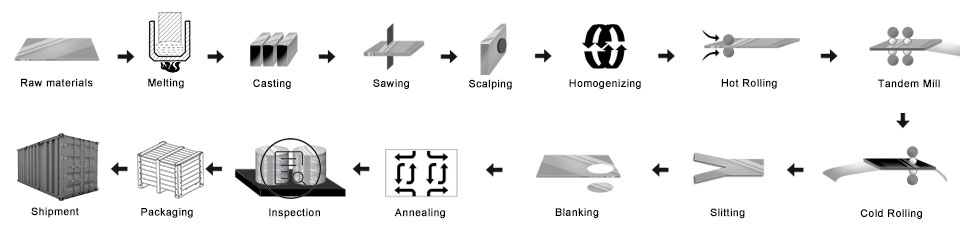
- मास्टर मिश्र तैयार करें
- पिघलती भट्टी: मिश्र धातुओं को पिघलने वाली भट्टी में डालें
- डीसी कास्ट एल्यूमीनियम पिंड: माँ को पिंड बनाने के लिए
- एल्यूमीनियम पिंड मिल: सतह और साइड को चिकना बनाने के लिए
- ताप भट्टी
- हॉट रोलिंग मिल: माँ का तार बनाया
- कोल्ड रोलिंग मिल: मदर कॉइल को उस मोटाई के रूप में रोल किया गया था जिसे आप खरीदना चाहते हैं
- छिद्रण प्रक्रिया: आप जो चाहते हैं उसका आकार बनें
- एनीलिंग भट्टी: मिजाज बदलो
- अंतिम निरीक्षण
- पैकिंग: लकड़ी के मामले या लकड़ी के फूस
- वितरण
गुणवत्ता नियंत्रण
आश्वासन नीचे निरीक्षण उत्पादन में किया जाएगा.
- ए. किरण का पता लगाना—आर टी;
- बी. अल्ट्रासोनिक परीक्षण—केन्द्र शासित प्रदेशों;
- सी. चुंबकीय कण परीक्षण-एमटी;
- डी. पैठ परीक्षण-पीटी;
- इ. एड़ी वर्तमान दोष का पता लगाने-ET
1) तेल के दाग से मुक्त रहें, काटने का निशान, समावेश, स्क्रैच, धब्बा, ऑक्साइड मलिनकिरण, ब्रेक, जंग, रोल मार्क्स, गंदगी की धारियाँ, और अन्य दोष जो उपयोग में हस्तक्षेप करेंगे.
2) काली रेखा के बिना सतह, तेज़ बाहर की रेखाओंवालअ, आवधिक दाग, रोलर मुद्रण दोष, जैसे अन्य gko आंतरिक नियंत्रण मानक.
एल्यूमिनियम डिस्क पैकिंग:
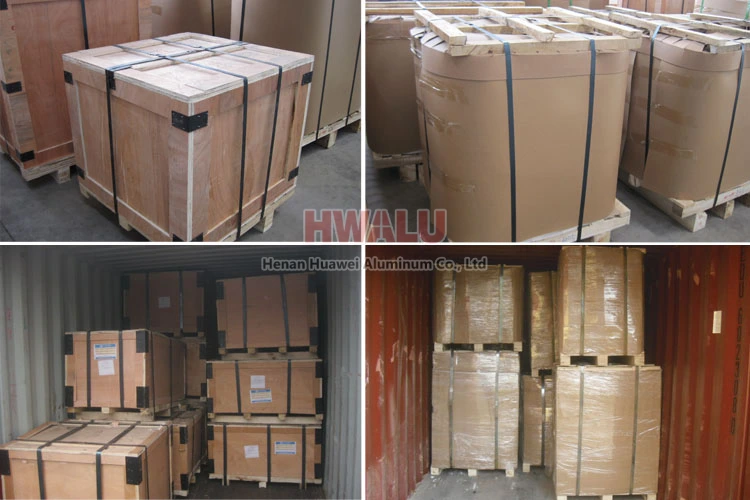
एल्यूमिनियम सर्किल निर्यात मानकों द्वारा पैक किया जा सकता है, भूरे रंग के कागज और प्लास्टिक की फिल्म के साथ कवर करना. आखिरकार, एल्यूमिनियम दौर लकड़ी के फूस / लकड़ी के मामले पर तय किया गया है.
- एल्युमिनियम सर्कल के ऊपर ड्रायर्स लगा दें, उत्पादों को सूखा और साफ रखें.
- स्वच्छ प्लास्टिक पेपर का प्रयोग करें, एल्यूमीनियम सर्कल पैक करें, सीलिंग अच्छी रखें.
- सांप की खाल के कागज का प्रयोग करें, प्लास्टिक पेपर की सतह को पैक करें, सीलिंग अच्छी रखें.
- अगला, पैकेजिंग के दो तरीके हैं: लकड़ी के फूस की पैकेजिंग का एक तरीका है, सतह को पैक करने वाले क्रस्टी पेपर का उपयोग करना; दूसरा तरीका लकड़ी के मामले की पैकेजिंग है, सतह को पैक करने वाले लकड़ी के मामले का उपयोग करना.
- आखिरकार, लकड़ी के बक्से की सतह पर स्टील की बेल्ट बिछाएं, लकड़ी के बक्से को तेज और सुरक्षित रखना.
हेनान हुआवेई एल्यूमिनियम का एल्यूमिनियम सर्कल. निर्यात मानक को पूरा करें. प्लास्टिक की फिल्म और भूरे रंग के कागज को ग्राहकों की जरूरतों पर कवर किया जा सकता है. इससे ज्यादा और क्या, डिलीवरी के दौरान उत्पादों को नुकसान से बचाने के लिए लकड़ी के मामले या लकड़ी के फूस को अपनाया जाता है. पैकेजिंग दो प्रकार की होती है, जो आंख से दीवार या आंख से आसमान की ओर हैं. ग्राहक अपनी सुविधा के लिए इनमें से किसी एक को चुन सकते हैं. आम तौर पर बोलना, वहां 2 एक पैकेज में टन, और लोड हो रहा है 18-22 1×20′ कंटेनर में टन, तथा 20-24 1×40′ कंटेनर में टन.
हमारा चयन क्यों?
समय के साथ चलने के लिए, HWALU अपनी प्रतिस्पर्धात्मकता में सुधार के लिए अत्याधुनिक उपकरण और तकनीक पेश करता रहता है. हमेशा केंद्र और ग्राहक के रूप में गुणवत्ता के व्यापार दर्शन का पालन करें, दुनिया के सभी हिस्सों में उच्चतम गुणवत्ता वाले एल्यूमीनियम डिस्क सर्कल श्रृंखला उत्पाद प्रदान करने के लिए. अधिक …

