Detailed Explanation of Aluminum Disc Melting Process
Aluminum discs are common metal products in our daily life, mostly processed from recycled waste aluminum products. This is not only environmentally friendly but also makes full use of aluminum resources. Melting aluminum discs simply means heating waste aluminum discs to a high temperature to melt them into molten aluminum, which is then used to make new aluminum products. This process seems not complicated, but it has requirements for the equipment used, operation methods and safety issues. Below, we will explain in plain language how to melt them specifically and what to pay attention to.
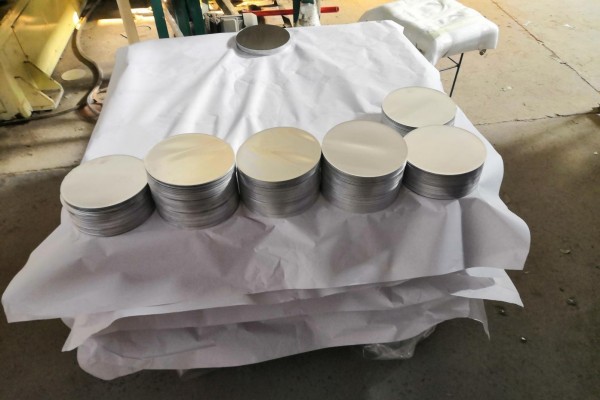 Aluminum Disc Melting Process
I. Preparation Work Before Melting
The first step in melting aluminum discs is to make full preparations. If this step is not done well, problems are likely to occur later.
(1) Equipment and Fuel Preparation
First of all, a special furnace must be prepared. Because melting aluminum discs requires a very high temperature, ordinary containers cannot withstand it at all, so the furnace must be able to resist high temperatures; in addition, sufficient fuel must be prepared, such as natural gas or liquefied petroleum gas. These fuels can provide stable heat for the furnace, avoiding running out of fuel halfway and affecting the melting progress.
The first step in melting aluminum discs is to make full preparations. If this step is not done well, problems are likely to occur later. First of all, a special furnace must be prepared. Because melting aluminum discs requires a very high temperature, ordinary containers cannot withstand it at all, so the furnace must be able to resist high temperatures; in addition, sufficient fuel must be prepared, such as natural gas or liquefied petroleum gas. These fuels can provide stable heat for the furnace, avoiding running out of fuel halfway and affecting the melting progress.
II. Cleaning Treatment of Aluminum Discs
After preparing the equipment and fuel, the waste aluminum discs must be cleaned, which is a key step to ensure the melting quality.
(1) Purpose and Method of Cleaning
The surface of these waste aluminum discs is usually covered with dust, oil stains and impurities. If they are put into the furnace without cleaning, it will not only slow down the melting speed but also make the melted aluminum impure, and finally the quality of the new aluminum products will be poor. Therefore, we can thoroughly remove the dirt on the surface of the aluminum discs by cleaning and wiping, ensuring that they are clean before proceeding to the next step.
III. Core Melting Steps of Aluminum Discs
After the aluminum discs are cleaned and the equipment is ready, the formal melting process begins. This part focuses on controlling the temperature and operating specifications.
(1) Furnace Preheating and Temperature Control
After the aluminum discs are cleaned, we can wait for the furnace to preheat. Next, we ignite the furnace and slowly raise the temperature—the melting point of aluminum is about 660 degrees Celsius, but in actual melting, to ensure that the aluminum discs can be completely melted and melted evenly, the furnace temperature usually needs to be raised to above 700 degrees Celsius. During heating, pay more attention to the temperature and keep it stable. It should not be too high or too low, otherwise, it will affect the melting effect.
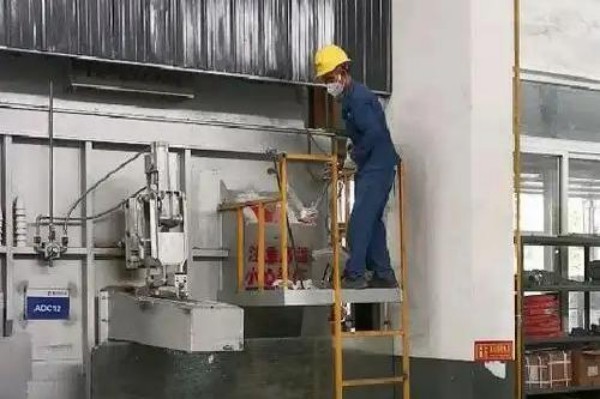 Aluminum Disc Melting Process-1
(2) Method of Adding Aluminum Discs
When the furnace temperature meets the requirements, the cleaned aluminum discs can be put into the furnace one by one. It should be noted here that you cannot put too many at one time, otherwise, the aluminum discs will not melt if they are piled up, or the molten aluminum will overflow after melting, which is very likely to cause danger. It is best to add a small amount multiple times and put them slowly to ensure that each aluminum disc can be melted smoothly.
(3) Melting Process of Aluminum Discs
After the aluminum discs are put into the furnace, high-temperature heating should be continued, which is the formal melting link. After all the aluminum discs are melted into molten aluminum, do not turn off the fire immediately. Continue heating for a while to make the molten aluminum fully mixed evenly. At the same time, use high temperature to remove residual impurities and bubbles in the molten aluminum to make the molten aluminum cleaner. During melting, you can also gently stir the molten aluminum to help separate impurities and make the molten aluminum more uniform in texture, so that the subsequent aluminum products can be qualified.
(4) Molten Aluminum Casting Operation
After melting, the molten aluminum can be poured into the mold. First, turn off the heating switch of the furnace. After the temperature drops a little and the state of the molten aluminum is stable, slowly pour the molten aluminum in the furnace into the pre-prepared mold. The shape of the mold can be selected according to needs. You can use any shape of mold to make any shape of aluminum product you want. When pouring molten aluminum, the action must be light and stable. Do not spill the molten aluminum or let air enter the molten aluminum, otherwise, it will affect the forming effect of the aluminum product.
(5) Cooling and Solidification of Aluminum Products
After the molten aluminum is poured into the mold, it enters the cooling and solidification link. There is no fixed standard for cooling time, which mainly depends on the size and thickness of the aluminum product—smaller and thinner ones may be cooled in a few hours; larger and thicker ones may take several days. During cooling, keep the environment stable. Do not shake the mold or let the surrounding temperature change suddenly, otherwise, the aluminum product is prone to deformation and cracking. In this process, the molten aluminum will gradually harden into a solid aluminum product.
(6) Product Removal and Subsequent Treatment
After the aluminum product is completely cooled and hardened, the mold can be opened and the finished product can be taken out. It should be noted here that the surface of the cooled aluminum product may have small bubbles, scratches, or a little residual impurities. There is no need to worry about these small problems. They can be polished and repaired in subsequent processing to make the aluminum product meet the use standard.
IV. Melting Precautions and Summary
In general, the steps of melting aluminum discs are not complicated. As long as you do them step by step, you can succeed. The key points are to make good preparations, clean the aluminum discs, control the furnace temperature and the amount of aluminum discs added, follow the specifications when pouring molten aluminum and cooling, and pay attention to safety. Only in this way can we smoothly turn waste aluminum discs into qualified new aluminum products, which not only saves resources but also exerts their value.
(1) Core Precautions
1. Temperature control: Keep the furnace temperature stable throughout to avoid being too high or too low, ensuring that the aluminum discs are completely melted and the molten aluminum is pure; 2. Operation safety: Move gently when adding aluminum discs and pouring molten aluminum to avoid overflow of molten aluminum and do a good job in high-temperature protection; 3. Stable environment: Keep the ambient temperature stable during the cooling stage and do not shake the mold to prevent deformation of
aluminum products.
(2) Common QA (Short Version)
Q1: What temperature is required to melt aluminum discs? A1: It needs to be heated to above 700℃ to ensure complete melting of aluminum discs.
Q2: What happens if aluminum discs are not cleaned? A2: It will slow down the melting speed and reduce the purity of molten aluminum and the quality of finished products.
Q3: How long does the cooling time take? A3: It depends on the size and thickness of the finished product, ranging from a few hours to several days.

