स्टैम्पिंग योग्यता दर और नियंत्रण रणनीतियों पर एल्यूमीनियम डिस्क की मोटाई सहनशीलता विचलन का प्रभाव
अमूर्त
घरेलू उपकरणों में मुद्रांकित भागों के लिए मुख्य आधार सामग्री के रूप में, मोटर वाहन, और इलेक्ट्रॉनिक्स उद्योग,
एल्यूमीनियम डिस्क' मोटाई सहनशीलता विचलन सीधे तनाव वितरण एकरूपता निर्धारित करता है, डाई गैप अनुकूलनशीलता, और मुद्रांकन के दौरान अंतिम गठन की गुणवत्ता. एल्यूमीनियम-डिस्क-ऑन-स्टैंपिंग-योग्यता-दर की प्लास्टिक विरूपण विशेषताओं के आधार पर, यह पेपर व्यवस्थित रूप से विश्लेषण करता है कि मोटाई सहिष्णुता विचलन कैसे होता है (जैसे, ±0.02मिमी, ±0.05मिमी, ±0.10मिमी) ब्लैंकिंग जैसी प्रमुख स्टैम्पिंग प्रक्रियाओं को प्रभावित करते हैं, ग़हरी कला, और झुकना. यह दोष दरों के भिन्नता नियमों की मात्रा निर्धारित करता है (जैसे, खुर, शिकन, आयामी अति-सहिष्णुता) प्रयोगात्मक डेटा का उपयोग करके विभिन्न विचलन श्रेणियों के तहत मुद्रांकित भागों के लिए. उद्योग प्रथाओं के साथ संयुक्त, यह एक पूर्ण-प्रक्रिया सहिष्णुता नियंत्रण योजना का प्रस्ताव करता है “रोलिंग परिशुद्धता प्रबंधन – ऑनलाइन निरीक्षण और स्क्रीनिंग – प्रक्रिया पैरामीटर अनुकूलन”. मामले बताते हैं कि जब एल्यूमीनियम डिस्क की मोटाई सहनशीलता ±0.08 मिमी से ±0.03 मिमी तक अनुकूलित हो जाती है, जटिल गहराई से खींचे गए भागों की योग्यता दर बढ़ सकती है 65% प्रति 94%, एल्यूमीनियम डिस्क स्टैम्पिंग उत्पादन में सहिष्णुता मानकों को तैयार करने और गुणवत्ता में सुधार के लिए तकनीकी सहायता प्रदान करना.

कीवर्ड
एल्यूमिनियम डिस्क; मोटाई सहनशीलता विचलन; मुद्रांकन निर्माण; योग्यता दर; तनाव वितरण; डाई गैप; सहनशीलता नियंत्रण
HW-ए. परिचय
एल्युमीनियम डिस्क कम घनत्व जैसे लाभों का लाभ उठाती है (2.7जी/सेमी³), उत्कृष्ट प्लास्टिसिटी (बढ़ाव ≥15%, तक 30% के लिये 1060 शुद्ध एल्यूमीनियम), और अच्छी मुद्रांकन फॉर्मेबिलिटी. चावल कुकर इनर लाइनर्स जैसे मुद्रांकित भागों के उत्पादन में इनका व्यापक रूप से उपयोग किया जाता है (3004 एल्यूमीनियम मिश्र धातु), कार हीट सिंक (1050 शुद्ध एल्यूमीनियम), और इलेक्ट्रॉनिक घटक आवास (5052 एल्यूमीनियम मिश्र धातु). स्टैम्पिंग फॉर्मिंग प्लास्टिक विरूपण को प्रेरित करने और लक्ष्य आकार प्राप्त करने के लिए डाई के माध्यम से एल्यूमीनियम डिस्क पर दबाव लागू करती है. इसकी गुणवत्ता अत्यधिक एल्यूमीनियम डिस्क की आयामी स्थिरता पर निर्भर करती है - विशेष रूप से मोटाई सहनशीलता. एल्यूमीनियम डिस्क की मोटाई में मामूली विचलन भी इसके निर्माण की प्रक्रिया को प्रभावित कर सकता है “तनाव प्रवर्धन प्रभाव”: गहरे चित्रण में, विचलन रेडियल तन्य तनाव और परिधीय संपीड़न तनाव के बीच संतुलन को बाधित करता है, झुर्रियाँ पड़ने या फटने का कारण; झुकने में, असमान मोटाई से झुकने वाली त्रिज्या विचलन और अत्यधिक भाग स्प्रिंगबैक की ओर जाता है.
वर्तमान उद्योग में, एल्यूमीनियम डिस्क की मोटाई सहनशीलता आम तौर पर जीबी/टी के अनुरूप होती है 3880.3-2012 सामान्य औद्योगिक उपयोग के लिए एल्युमीनियम और एल्युमीनियम मिश्र धातु प्लेटें और स्ट्रिप्स – भाग 3: आयामी विचलन. इस मानक को स्टैम्पिंग-ग्रेड एल्यूमीनियम डिस्क के लिए ±0.03~±0.10 मिमी की मोटाई सहनशीलता की आवश्यकता होती है (मोटाई विनिर्देश द्वारा समायोजित, जैसे, 1.0 मिमी-मोटी डिस्क के लिए ±0.05 मिमी). हालाँकि, कुछ छोटे और मध्यम आकार के उद्यम लागत में कटौती के लिए अत्यधिक सहिष्णुता के साथ एल्यूमीनियम डिस्क का उपयोग करते हैं, जिससे मुद्रांकन योग्यता दरों में भारी गिरावट आई. उद्योग अनुसंधान से पता चलता है कि जब मोटाई सहनशीलता ±0.03 मिमी से ±0.08 मिमी तक फैलती है, जटिल मुद्रांकित भागों की दोष दर औसतन बढ़ जाती है 35%, इससे सीधे कच्चे माल की बर्बादी होती है और उत्पादन लागत बढ़ती है. इसलिए, स्टैम्पिंग योग्यता दरों पर एल्यूमीनियम डिस्क मोटाई सहिष्णुता विचलन के प्रभाव थ्रेसहोल्ड और तंत्र को स्पष्ट करना इस उद्योग के दर्द बिंदु को हल करने की कुंजी है.
HW-बी. एल्यूमीनियम डिस्क की मोटाई सहनशीलता विचलन के मुख्य तंत्र जो स्टैम्पिंग निर्माण को प्रभावित करते हैं
A.प्लास्टिक विरूपण के दौरान असंतुलित तनाव वितरण
मुद्रांकन बनाने का सार है “एकसमान प्लास्टिक प्रवाह” डाई क्रिया के तहत एल्यूमीनियम डिस्क की, और मोटाई सहनशीलता विचलन इस संतुलन को बाधित करता है:
- डीप ड्राइंग में तनाव असंतुलन
गहरी ड्राइंग के दौरान, एल्यूमीनियम डिस्क दोनों रेडियल तन्य तनाव को सहन करती है (σr) मुक्के से और मर जाओ, और परिधीय संपीड़न तनाव (पी) रिक्त धारक से. जब एल्यूमीनियम डिस्क की मोटाई में विचलन होता है (जैसे, स्थानीय मोटाई 0.98 मिमी बनाम. 0.92नाममात्र 1.0 मिमी डिस्क के लिए मिमी), घने क्षेत्रों में बड़े पार-अनुभागीय क्षेत्र होते हैं, जिसके परिणामस्वरूप समान दबाव और धीमी प्लास्टिक प्रवाह के तहत कम σr होता है; पतले क्षेत्रों में छोटे क्रॉस-सेक्शन होते हैं, उच्च σr की ओर ले जाता है जो आसानी से सामग्री की उपज शक्ति से अधिक हो जाता है (≈70MPa के लिए 1060 शुद्ध एल्यूमीनियम), स्थानीय अत्यधिक खिंचाव और दरार का कारण बनता है. इस दौरान, परिधीय संपीड़न तनाव (पी) पतले क्षेत्रों में केन्द्रित होता है, ट्रिगर “परिधीय झुर्रियाँ” (5~10 मिमी की तरंग दैर्ध्य के साथ लहरदार दोष), जैसा कि चित्र में दिखाया गया है 1.
प्रायोगिक डेटा से पता चलता है: जब मोटाई विचलन ≤±0.02 मिमी, σr और σθ वितरण की असमानता ≤8%, और सामग्री की प्लास्टिसिटी दोषों से बचने के लिए स्वयं-समायोजित हो सकती है; जब विचलन ±0.05 मिमी तक फैलता है, असमानता बढ़कर 18%~22% हो गई, दरार पड़ने का खतरा बढ़ रहा है 40%; जब विचलन >±0.08मिमी, असमानता अधिक है 30%, झुर्रियाँ पड़ने और टूटने दोनों का कारण बनता है.
- झुकने में स्प्रिंगबैक विचलन
झुकने के निर्माण में, एल्यूमीनियम डिस्क की मोटाई (लेपित एल्यूमीनियम सर्कल शीट से संबंधित) झुकने के क्षण को सीधे प्रभावित करता है (M=σs×t³/12, जहां σs = उपज शक्ति) और स्प्रिंगबैक (ΔR= (σs×t)/(ई×आर), जहां ई = लोचदार मापांक, आर = झुकने त्रिज्या). मोटाई विचलन झुकने के क्षण में उतार-चढ़ाव का कारण बनता है: मोटे क्षेत्रों में बड़ा एम और छोटा पोस्ट-बेंडिंग स्प्रिंगबैक होता है (ΔR); पतले क्षेत्रों में छोटा M और बड़ा ΔR होता है. उदाहरण के लिए, झुकते समय 1060 R=5mm के साथ 90° पर एल्यूमीनियम डिस्क: मोटाई विचलन ±0.03 मिमी के परिणामस्वरूप स्प्रिंगबैक विचलन ≤0.1 मिमी होता है (जीबी/टी में ग्रेड ए परिशुद्धता आवश्यकताओं को पूरा करना 15825.5-2008 मुद्रांकित भागों के लिए आयामी सहनशीलता); ±0.06 मिमी तक बढ़ने वाला विचलन 0.25 ~ 0.3 मिमी के स्प्रिंगबैक विचलन की ओर जाता है, ग्रेड ए परिशुद्धता के लिए ±0.15 मिमी की सीमा से अधिक होना और आयामी अति-सहिष्णुता का कारण बनना.

बी. बेमेल डाई गैप और मोटाई विचलन
अंतर मरो (जेड) एक प्रमुख मुद्रांकन पैरामीटर है, आम तौर पर इस तरह सेट किया जाता है “नाममात्र एल्यूमीनियम डिस्क मोटाई (टी0) + अधिकतम सामग्री का गाढ़ा होना (Δt, ~5%~8% t0)”, यानी, Z = t0 + Δt. मोटाई सहनशीलता विचलन इस मेल खाने वाले रिश्ते को तोड़ देता है:
- अत्यधिक छोटा अंतराल (सकारात्मक मोटाई विचलन)
जब वास्तविक एल्युमीनियम डिस्क की मोटाई (लेपित एल्यूमीनियम सर्कल शीट से संबंधित) >t0 + Δt, डाई गैप Z < t. इससे स्टैम्पिंग के दौरान डिस्क और डाई के बीच अत्यधिक एक्सट्रूज़न घर्षण पैदा होता है, के लिए अग्रणी: ① “खरोंच दोष” भाग की सतह पर (गहराई 0.01~0.03मिमी), उपस्थिति को प्रभावित करना; ② त्वरित डाई एज घिसाव (30%~50% कम सेवा जीवन); ③ स्थानीय तनाव एकाग्रता, के कारण “कतरनी दरारें” (लंबाई 1~3मिमी) मरने के प्रवेश द्वार पर. उदाहरण के लिए, एक निर्माता जो 1.2 मिमी-मोटा उत्पादन करता है 3004 एल्यूमीनियम डिस्क स्टैम्प वाले हिस्से डाई गैप को 1.28 मिमी पर सेट करते हैं. जब सकारात्मक मोटाई विचलन +0.07 मिमी तक पहुंच गया (टी=1.27मिमी), स्क्रैच दोष दर में वृद्धि हुई 5% प्रति 32%.
- अत्यधिक बड़ा अंतर (नकारात्मक मोटाई विचलन)
जब t < t0 – Δt, डाई गैप Z > t. इसकी वजह से: ① “गड़गड़ाहट दोष” ब्लैंकिंग के दौरान (ऊंचाई 0.05~0.15मिमी), अतिरिक्त डिबुरिंग की आवश्यकता है; ② गहरी ड्राइंग के दौरान सामग्री प्रवाह का खराब नियंत्रण, परिधिगत झुर्रियों का खतरा बढ़ रहा है; ③ ख़राब भाग फिट (उपयुक्त) झुकने के दौरान, के लिए अग्रणी “गैप स्प्रिंगबैक” (भाग और डाई के बीच का अंतर >0.1 मिमी). एक इलेक्ट्रॉनिक घटक फैक्ट्री में 0.8 मिमी-मोटी का उपयोग किया जाता है 5052 0.85 मिमी के डाई गैप के साथ एल्यूमीनियम डिस्क. जब नकारात्मक मोटाई विचलन तक पहुँच गया -0.06मिमी (टी=0.74मिमी), गड़गड़ाहट दोष दर बढ़ गई 8% प्रति 45%, बाद में डिबगिंग लागत में वृद्धि 20%.
सी. मल्टी-प्रोसेस स्टैम्पिंग में विचलन संचय
जटिल मुद्रांकित भाग (जैसे, ग़हरी कला + फ़्लैंगिंग + छिद्रण) अनेक प्रक्रियाओं की आवश्यकता होती है. मोटाई सहनशीलता विचलन प्रक्रियाओं में जमा होते हैं, योग्यता दरों को और कम करना:
- 1सेंट ब्लैंकिंग प्रक्रिया: मोटाई विचलन के कारण व्यास में उतार-चढ़ाव होता है (±0.05मिमी) रिक्त भागों का;
- 2और गहरी ड्राइंग प्रक्रिया: व्यास के उतार-चढ़ाव के साथ संयुक्त, मोटाई विचलन ड्राइंग गुणांक के विचलन का विस्तार करता है (एम=डी/डी, जहाँ d = ड्राइंग के बाद का व्यास, डी = रिक्त व्यास), दरार पड़ने का खतरा बढ़ रहा है;
- 3तीसरी फ़्लैंगिंग प्रक्रिया: पूर्व-प्रक्रिया विचलन फ़्लैंगिंग ऊंचाई का कारण बनते हैं (डिज़ाइन मान 5 मिमी) ±0.3मिमी से विचलन करने के लिए, अति-सहिष्णुता दर को बढ़ाना 10% प्रति 55%.
प्रयोगों से पता चलता है कि बहु-प्रक्रिया मुद्रांकन में, मोटाई सहनशीलता विचलन का प्रत्येक ±0.01 मिमी विस्तार अंतिम योग्यता दर को औसतन 8% ~ 12% कम कर देता है - एकल-प्रक्रिया मुद्रांकन में 3% ~ 5% की कमी से काफी अधिक.
HW-सी. स्टैम्पिंग योग्यता दर पर विभिन्न मोटाई सहनशीलता विचलन रेंज का मात्रात्मक प्रभाव
मोटाई सहनशीलता विचलन की प्रभाव सीमा को परिभाषित करना, इस अध्ययन में तीन सामान्य एल्युमीनियम डिस्क प्रकारों-1060 शुद्ध एल्युमीनियम का परीक्षण किया गया (t0=1.0मिमी, σs=70MPa, ई=70जीपीए), 3004 एल्यूमीनियम मिश्र धातु (t0=1.2मिमी, σs=150MPa, ई=72जीपीए), तथा 5052 एल्यूमीनियम मिश्र धातु (t0=0.8मिमी, σs=110MPa, ई=70जीपीए)-समान मुद्रांकन उपकरण का उपयोग करना (200टी हाइड्रोलिक प्रेस) और मर जाता है (गैप को t0+Δt पर सेट किया गया). विभिन्न विचलन श्रेणियों के अंतर्गत योग्यता दर में परिवर्तन इस प्रकार हैं:
ए. मामूली विचलन सीमा (±0.01~±0.03मिमी): योग्यता दर ऊपर स्थिर 95%
यह रेंज उच्च परिशुद्धता वाले मुद्रांकित भागों के लिए सहनशीलता आवश्यकताओं को पूरा करती है (जैसे, सटीक कार हीट सिंक, इलेक्ट्रॉनिक आवास). सभी तीन सामग्रियां उच्च मुद्रांकन योग्यता दर बनाए रखती हैं:
- 1060 शुद्ध एल्यूमीनियम उथले-खींचे गए हिस्से (ड्राइंग गुणांक m=0.65): 98%~99% योग्यता दर, केवल कभी-कभार मामूली खरोंचों के साथ (गहराई <0.01मिमी);
- 3004 एल्यूमीनियम मिश्र धातु गहरे खींचे गए हिस्से (एम=0.55): 95%~97% योग्यता दर, कोई दरार/झुर्री नहीं, आयामी विचलन ≤±0.1मिमी;
- 5052 एल्यूमीनियम मिश्र धातु मुड़े हुए हिस्से (आर=3मिमी): 96%~98% योग्यता दर, स्प्रिंगबैक विचलन ≤0.08 मिमी (ग्रेड ए परिशुद्धता को पूरा करना).
द रीज़न: इस विचलन सीमा के भीतर, एल्यूमीनियम डिस्क का तनाव वितरण असमानता ≤10%, डाई गैप अनुकूलन क्षमता ≥95%, और सामग्री की प्लास्टिसिटी विचलन प्रभावों को समाप्त कर सकती है “स्थानीय प्रवाह मुआवजा”, जिसके परिणामस्वरूप दोष दर अत्यंत कम हो गई.
बी.मध्यम विचलन रेंज (±0.03~±0.05मिमी): योग्यता दर गिरकर 80%~90% हो गई
यह सीमा कुछ उद्योग मानकों की प्रथम श्रेणी की सहनशीलता आवश्यकताओं से अधिक है. बढ़ते विचलन के साथ योग्यता दरें धीरे-धीरे घटती जाती हैं, मुख्य रूप से मामूली झुर्रियाँ और आयामी अति-सहिष्णुता के कारण:
- 1060 शुद्ध एल्यूमीनियम: खींचे गए भागों की झुर्रियों की दर बढ़ जाती है 2% प्रति 8%, क्रैकिंग दर से 0.5% प्रति 3%;
- 3004 एल्यूमीनियम मिश्र धातु: अधिक मजबूती के कारण गहरे खींचे गए हिस्से विचलन के प्रति अधिक संवेदनशील होते हैं - योग्यता दर कम हो जाती है 95% प्रति 82%, पंच पट्टिका पर केंद्रित क्रैकिंग के साथ (आर=2मिमी);
- 5052 एल्यूमीनियम मिश्र धातु: मुड़े हुए हिस्सों की स्प्रिंगबैक अति-सहिष्णुता दर बढ़ जाती है 4% प्रति 15%, कुछ हिस्सों को द्वितीयक सीधा करने की आवश्यकता है.
उद्योग अभ्यास में, यह रेंज कम परिशुद्धता वाले मुद्रांकित भागों के लिए उपयुक्त है (जैसे, साधारण रसोई के बर्तन के हैंडल) लेकिन सीधा करने के लिए 10% ~ 15% अतिरिक्त लागत की आवश्यकता होती है, आर्थिक दक्षता में कमी.
सी. बड़ी विचलन सीमा (±0.05~±0.08मिमी): योग्यता दर गिरकर 60%~75% हो गई
इस दायरे में, तनाव वितरण असमानता अधिक है 25%, और डाई गैप गंभीर रूप से बेमेल हो जाते हैं—दोष दर तेजी से बढ़ जाती है:
- 1060 शुद्ध एल्यूमीनियम: खींचे गए हिस्सों की क्रैकिंग दर 12% ~ 18% तक पहुंच जाती है, झुर्रियाँ पड़ने की दर 20%~25%; कुछ भागों की मोटाई में अत्यधिक कमी हो गई है (स्थानीय मोटाई <0.8 मिमी, न्यूनतम डिज़ाइन मोटाई 0.85 मिमी);
- 3004 एल्यूमीनियम मिश्र धातु: गहरे खींचे गए हिस्से बमुश्किल बनते हैं, क्रैकिंग दर अधिक होने के साथ 30%; डाई एज घिसाव तेज हो जाता है, प्रत्येक डाई प्रतिस्थापन की आवश्यकता है 10,000 पार्ट्स (40% अधिक लागत);
- 5052 एल्यूमीनियम मिश्र धातु: मुड़े हुए हिस्सों की गड़गड़ाहट दर 35%~45% तक पहुँच जाती है, स्प्रिंगबैक अति-सहिष्णुता दर 30%, की न्यूनतम योग्यता दर के साथ 60%.
एक चावल कुकर इनर लाइनर निर्माता एक बार इस्तेमाल किया गया 3004 ±0.07 मिमी विचलन के साथ एल्यूमीनियम डिस्क. इससे लाइनर के टूटने की दर बढ़ गई 5% प्रति 28%, जिससे मासिक हानि अधिक हो रही है 500,000 युआन-अंततः योग्य एल्यूमीनियम डिस्क पर स्विच करने के लिए मजबूर होना.
D.गंभीर विचलन रेंज (>±0.08मिमी): योग्यता दर नीचे 60%, उत्पादन मूल्य खोना
इस दायरे में, एल्युमीनियम डिस्क की मोटाई बहुत कम होती है, जिससे मुद्रांकन के दौरान व्यापक दोष उत्पन्न हो जाते हैं:
- खींचे गए हिस्से: क्रैकिंग दर >40%, झुर्रियाँ पड़ने की दर >35%, भाग स्क्रैप दर से अधिक 50%;
- मुड़े हुए हिस्से: स्प्रिंगबैक अति-सहिष्णुता दर >50%, गड़गड़ाहट की ऊँचाई> 0.1 मिमी (बुनियादी असेंबली आवश्यकताओं का विफल होना);
- बहु-प्रक्रिया मुद्रांकित भाग: विचलन संचय अंतिम योग्यता दर को कम कर देता है 40%, डाई समायोजन के लिए बार-बार उत्पादन रुकता है (60% कम दक्षता).
उद्योग में, इस श्रेणी में एल्यूमीनियम डिस्क केवल कम परिशुद्धता वाले सरल भागों के लिए उपयुक्त हैं (जैसे, सजावटी एल्यूमीनियम गास्केट) या मोटाई को समायोजित करने के लिए पुनः रोलिंग की आवश्यकता होती है - जिसके परिणामस्वरूप खराब आर्थिक दक्षता होती है.
मेज़ 1: विभिन्न मोटाई सहनशीलता विचलन के तहत तीन एल्यूमीनियम डिस्क प्रकारों की मुद्रांकन योग्यता दरें (t0=1.0मिमी/1.2मिमी/0.8मिमी)
|
मोटाई सहनशीलता विचलन रेंज
|
1060 शुद्ध एल्युमीनियम (उथला रेखांकन, एम=0.65)
|
3004 एल्यूमीनियम मिश्र धातु (ग़हरी कला, एम=0.55)
|
5052 एल्यूमीनियम मिश्र धातु (झुकने, आर=3मिमी)
|
मुख्य दोष प्रकार
|
|
±0.01~±0.03मिमी
|
98%~99%
|
95%~97%
|
96%~98%
|
मामूली खरोंच (<5%)
|
|
±0.03~±0.05मिमी
|
90%~95%
|
82%~90%
|
85%~90%
|
मामूली झुर्रियाँ, आयामी अति-सहिष्णुता (8%~15%)
|
|
±0.05~±0.08मिमी
|
70%~80%
|
65%~75%
|
60%~70%
|
खुर, गंभीर झुर्रियाँ, गड़गड़ाहट (20%~45%)
|
|
>±0.08मिमी
|
<60%
|
<55%
|
<40%
|
व्यापक दोष, स्क्रैप दर >50%
|

HW-D. एल्यूमिनियम डिस्क मोटाई सहनशीलता विचलन के लिए पूर्ण-प्रक्रिया नियंत्रण रणनीतियाँ
उचित सीमा के भीतर मोटाई सहनशीलता विचलन को नियंत्रित करना और मुद्रांकन योग्यता दरों में सुधार करना, एक बंद-लूप नियंत्रण प्रणाली में तीन लिंक शामिल होने चाहिए: “अपस्ट्रीम रोलिंग – मध्य धारा निरीक्षण – डाउनस्ट्रीम प्रक्रिया अनुकूलन”.
ए. अपस्ट्रीम रोलिंग: एल्यूमिनियम डिस्क मोटाई परिशुद्धता में सुधार करें
एल्यूमीनियम डिस्क की मोटाई सहनशीलता मुख्य रूप से रोलिंग प्रक्रियाओं पर निर्भर करती है, जिसके माध्यम से अनुकूलन की आवश्यकता है:
- मल्टी-हाई रोल मिल्स के साथ परिशुद्धता नियंत्रण
20-उच्च सेंडज़िमिर मिलों का उपयोग करें (3पारंपरिक 4-हाई मिलों की तुलना में ~5 गुना अधिक सटीक) और तीन मापदंडों-रोलिंग बल का समन्वय करें, रफ़्तार, और तनाव - ±0.01 मिमी के भीतर रोलिंग मोटाई विचलन को नियंत्रित करने के लिए. उदाहरण के लिए, लुढ़कते समय 1060 शुद्ध एल्यूमीनियम डिस्क, रोलिंग बल को 500~600kN पर सेट करें, रोलिंग गति 80~100 मीटर/मिनट, और तनाव 20~30kN तक. वास्तविक समय में रोल गैप परिवर्तनों की निगरानी करें (परिशुद्धता ±0.005मिमी) मोटाई में उतार-चढ़ाव से बचने के लिए.
- रोलिंग तापमान और पास को अनुकूलित करें
तापमान के साथ एल्युमीनियम प्लास्टिसिटी में सुधार होता है, लेकिन अत्यधिक तापमान असमान मोटाई का कारण बनता है. रोलिंग तापमान को 300~350℃ पर नियंत्रित करें (1060 शुद्ध एल्यूमीनियम) और 350~400℃ (3004 एल्यूमीनियम मिश्र धातु). रोलिंग पास उचित रूप से आवंटित करें: उदाहरण के लिए, 1.5 मिमी मोटी एल्यूमीनियम स्ट्रिप्स को 1.0 मिमी डिस्क में रोल करें 3 गुजरता है (0.17प्रति पास ~0.18 मिमी कमी) अत्यधिक एकल-पास कटौती से बचने के लिए (>0.2मिमी) जो मोटाई विचलन का कारण बनता है.
- आंतरिक तनाव को दूर करने के लिए एनीलिंग
आंतरिक तनाव के कारण रोल्ड एल्यूमीनियम डिस्क की मोटाई फिर से बढ़ने लगती है. कम तापमान वाले एनीलिंग का संचालन करें: 150~200℃ 2~3 घंटे के लिए (1060 शुद्ध एल्यूमीनियम) और 3~4 घंटे के लिए 200~250℃ (3004 एल्यूमीनियम मिश्र धातु). यह आंतरिक तनाव को समाप्त करता है और मोटाई प्रतिक्षेप को ±0.02 मिमी से घटाकर ±0.005 मिमी कर देता है.
बी.मिडस्ट्रीम निरीक्षण: योग्य एल्युमीनियम डिस्क की पूर्ण पैमाने पर स्क्रीनिंग
- ऑनलाइन लेजर मोटाई गेज के साथ वास्तविक समय निरीक्षण
लेजर मोटाई गेज स्थापित करें (परिशुद्धता ±0.001मिमी, निरीक्षण की गति 1000 डिस्क/एच) एल्यूमीनियम डिस्क ब्लैंकिंग लाइनों पर. मोटाई मापें 3 अंक (केंद्र, 1/2 RADIUS, किनारा) प्रत्येक डिस्क के लिए और अत्यधिक विचलन वाले डिस्क को स्वचालित रूप से अस्वीकार कर देता है. उदाहरण के लिए, एक के बाद एक उद्यम ने इस उपकरण को पेश किया, अयोग्य एल्यूमीनियम डिस्क की अस्वीकृति दर में वृद्धि हुई 5% प्रति 100%, बाद में होने वाली स्टैम्पिंग बर्बादी से बचना.
- ऑफ़लाइन नमूनाकरण पुन: निरीक्षण और सांख्यिकीय विश्लेषण
नमूना 100 प्रति बैच डिस्क और मोटाई मापें 5 माइक्रोमीटर का उपयोग करते हुए बिंदु (परिशुद्धता ±0.001मिमी). सांख्यिकीय प्रक्रिया नियंत्रण का प्रयोग करें (छठे वेतन आयोग) मोटाई सहिष्णुता नियंत्रण चार्ट उत्पन्न करने के लिए. डिस्क को उत्पादन में तभी डालें जब प्रक्रिया क्षमता सूचकांक Cp ≥1.33 हो (सहिष्णुता आवश्यकताओं को पूरा करने का संकेत); यदि सी.पी <1.33, समायोजन के लिए अपस्ट्रीम रोलिंग प्रक्रियाओं पर वापस फ़ीड करें.
C.डाउनस्ट्रीम प्रक्रिया अनुकूलन: वास्तविक मोटाई के आधार पर स्टैम्पिंग पैरामीटर समायोजित करें
जब एल्यूमीनियम डिस्क में मामूली विचलन होते हैं (±0.01~±0.03मिमी), योग्यता दरों में और सुधार करने के लिए स्टैम्पिंग मापदंडों को समायोजित करें:
- गतिशील डाई गैप समायोजन
डाई गैप Z = t को समायोजित करें + Δt (Δt=0.05~0.08मिमी) वास्तविक एल्यूमीनियम डिस्क मोटाई टी के आधार पर. उदाहरण के लिए, यदि t=1.02 मिमी (सकारात्मक विचलन +0.02 मिमी), Z को 1.08 मिमी से 1.10 मिमी तक समायोजित करें; यदि t=0.98mm (नकारात्मक विचलन -0.02मिमी), गैप बेमेल से बचने के लिए Z को 1.06 मिमी पर समायोजित करें.
- रिक्त धारक बल और आरेखण गुणांक को अनुकूलित करें
पतली एल्यूमीनियम डिस्क के लिए, रिक्त धारक बल को उचित रूप से कम करें (15kN से 12kN तक) परिधीय संपीड़न तनाव को कम करने और टूटने से बचाने के लिए; मोटी डिस्क के लिए, ड्राइंग गुणांक को थोड़ा बढ़ाएँ (से 0.55 प्रति 0.58) रेडियल तन्य तनाव को कम करने और झुर्रियों से बचने के लिए.
- मुद्रांकन गति को अनुकूलित करें
पतली एल्युमीनियम डिस्क में प्लास्टिक का प्रवाह तेज़ होता है - जिससे स्टैम्पिंग की गति कम हो जाती है (से 30 स्ट्रोक/मिनट से 20 स्ट्रोक/मिनट) स्थानीय अति-खिंचाव से बचने के लिए; मोटी डिस्क में प्रवाह धीमा होता है - गति में मामूली वृद्धि होती है (से 20 स्ट्रोक/मिनट से 25 स्ट्रोक/मिनट) उत्पादन दक्षता में सुधार करने के लिए.
HW-ई. एंटरप्राइज़ एप्लिकेशन केस सत्यापन
मामला 1: एक कार हीट सिंक निर्माता (1060 शुद्ध एल्युमीनियम, t0=0.8मिमी)
- संकट: मूल रूप से ±0.06 मिमी मोटाई सहनशीलता के साथ एल्यूमीनियम डिस्क का उपयोग किया जाता है. हीट सिंक की मुद्रांकन योग्यता दर ही थी 72%, क्रैकिंग सहित मुख्य दोषों के साथ (15%), शिकन (10%), और गड़गड़ाहट (3). मासिक स्क्रैप लागत पहुंच गई 300,000 युआन.
- सुधार के उपाय: ① अपस्ट्रीम: ±0.02 मिमी के भीतर सहनशीलता को नियंत्रित करने के लिए 20-हाई मिल रोलिंग पर स्विच करें; ② मध्यधारा: पूर्ण पैमाने पर निरीक्षण के लिए ऑनलाइन लेजर मोटाई गेज स्थापित करें; ③ डाउनस्ट्रीम: डाई गैप को समायोजित करें (0.86 मिमी से 0.82 ~ 0.84 मिमी तक) और रिक्त धारक बल (12kN से 10~11kN तक).
- परिणाम: मुद्रांकन योग्यता दर में वृद्धि हुई 97%, क्रैकिंग दर में गिरावट आई 2%, झुर्रियों की दर 1%. मासिक लागत बचत हुई 250,000 युआन, केवल निवेश वापसी अवधि के साथ 2 महीने.
मामला 2: एक राइस कुकर इनर लाइनर उद्यम (3004 एल्यूमीनियम मिश्र धातु, t0=1.2मिमी)
- संकट: ±0.07 मिमी मोटाई सहनशीलता के साथ प्रयुक्त एल्यूमीनियम डिस्क. इनर लाइनर्स की डीप-ड्राइंग योग्यता दर थी 65%, क्रैकिंग दर 28%, और केवल सेवा जीवन ही मरें 10,000 पार्ट्स.
- सुधार के उपाय: ① रोलिंग पास को अनुकूलित करें (से 2 प्रति 4) सहनशीलता को ±0.03मिमी तक कम करने के लिए; ② आंतरिक तनाव को खत्म करने के लिए एनीलिंग तापमान को 220℃ से 240℃ तक बढ़ाएं; ③ ड्राइंग गुणांक समायोजित करें (से 0.52 प्रति 0.55) और मुद्रांकन गति (से 15 स्ट्रोक/मिनट से 12 स्ट्रोक/मिनट).
- परिणाम: योग्यता दर बढ़ी 94%, क्रैकिंग दर में गिरावट आई 5%, और सेवा जीवन बढ़ाया गया 30,000 पार्ट्स. वार्षिक लागत बचत हुई 6 मिलियन युआन.

HW-एफ. निष्कर्ष और आउटलुक
ए. मूल निष्कर्ष
एल्यूमीनियम डिस्क मोटाई सहिष्णुता विचलन का स्टैम्पिंग योग्यता दरों पर स्पष्ट प्रभाव पड़ता है: ① मामूली विचलन (±0.01~±0.03मिमी) उच्च परिशुद्धता मुद्रांकित भागों के अनुरूप, योग्यता दरों के साथ ≥95%; ② मध्यम विचलन (±0.03~±0.05मिमी) कम परिशुद्धता वाले भागों के लिए उपयुक्त, योग्यता दर 80%~90% के साथ; ③ बड़े विचलन (>±0.05मिमी) योग्यता दरों में भारी गिरावट का कारण बनता है और आर्थिक मूल्य खो देता है. ये प्रभाव मुख्यतः तीन तंत्रों के माध्यम से होते हैं: असंतुलित तनाव वितरण, बेमेल डाई गैप, और विचलन संचय.
बी. भविष्य का आउटलुक
- बुद्धिमान निरीक्षण: एकीकृत एआई विज़न विकसित करें + मोटाई विचलन और मुद्रांकन दोषों के बीच वास्तविक समय सहसंबंध प्रारंभिक चेतावनी का एहसास करने के लिए लेजर मोटाई माप प्रणाली, और योग्यता दरों की पहले से भविष्यवाणी करें;
- अनुकूली मुद्रांकन प्रक्रियाएँ: डाई गैप को स्वचालित रूप से समायोजित करने के लिए पीएलसी सिस्टम का उपयोग करें, रिक्त धारक बल, और वास्तविक एल्यूमीनियम डिस्क मोटाई के आधार पर गति, को प्राप्त करने “प्रति डिस्क एक पैरामीटर” परिशुद्धता अनुकूलन;
- नई सामग्री अनुकूलन: उच्च शक्ति एल्यूमीनियम मिश्र धातु डिस्क के लिए मोटाई विचलन और मुद्रांकन प्रदर्शन के बीच सहसंबंध का अध्ययन करें (जैसे, 6061) एल्यूमीनियम डिस्क के अनुप्रयोग परिदृश्यों का विस्तार करना.
पूर्ण-प्रक्रिया मोटाई सहिष्णुता नियंत्रण प्रभावी ढंग से एल्यूमीनियम डिस्क की मुद्रांकन योग्यता दर में सुधार करता है, उत्पादन लागत कम कर देता है, और एल्यूमीनियम प्रसंस्करण और मुद्रांकन उद्योगों के उच्च गुणवत्ता वाले विकास के लिए तकनीकी गारंटी प्रदान करता है.
एल्यूमीनियम सर्कल के गुण:
एल्यूमिनियम सर्कल कई बाजारों के लिए उपयुक्त है, कुकवेयर सहित, मोटर वाहन और प्रकाश उद्योग, आदि।, अच्छे उत्पाद विशेषताओं के लिए धन्यवाद:
- कम अनिसोट्रॉपी, जो गहरी ड्राइंग की सुविधा प्रदान करता है
- मजबूत यांत्रिक गुण
- उच्च और सजातीय गर्मी प्रसार
- तामचीनी होने की क्षमता, PTFE द्वारा कवर किया गया (या अन्य), एनोड किए गए
- अच्छा परावर्तन
- उच्च शक्ति-से-वजन अनुपात
- जंग के लिए स्थायित्व और प्रतिरोध
एल्यूमिनियम सर्किल प्रक्रिया
पिंड/मास्टर मिश्र — मेल्टिंग फर्नेस - होल्डिंग फर्नेस — डी.सी.. कास्टर — पत्थर की पटिया —- स्कैल्पर — हॉट रोलिंग मिल - कोल्ड रोलिंग मिल - पंचिंग - एनीलिंग फर्नेस — अंतिम निरीक्षण - पैकिंग — वितरण
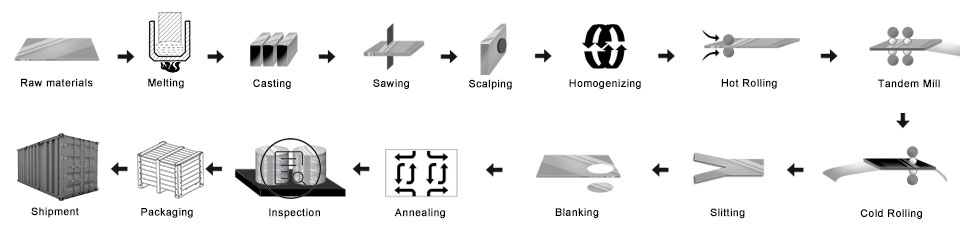
- मास्टर मिश्र तैयार करें
- पिघलती भट्टी: मिश्र धातुओं को पिघलने वाली भट्टी में डालें
- डीसी कास्ट एल्यूमीनियम पिंड: माँ को पिंड बनाने के लिए
- एल्यूमीनियम पिंड मिल: सतह और साइड को चिकना बनाने के लिए
- ताप भट्टी
- हॉट रोलिंग मिल: माँ का तार बनाया
- कोल्ड रोलिंग मिल: मदर कॉइल को उस मोटाई के रूप में रोल किया गया था जिसे आप खरीदना चाहते हैं
- छिद्रण प्रक्रिया: आप जो चाहते हैं उसका आकार बनें
- एनीलिंग भट्टी: मिजाज बदलो
- अंतिम निरीक्षण
- पैकिंग: लकड़ी के मामले या लकड़ी के फूस
- वितरण
गुणवत्ता नियंत्रण
आश्वासन नीचे निरीक्षण उत्पादन में किया जाएगा.
- ए. किरण का पता लगाना—आर टी;
- बी. अल्ट्रासोनिक परीक्षण—केन्द्र शासित प्रदेशों;
- सी. चुंबकीय कण परीक्षण-एमटी;
- डी. पैठ परीक्षण-पीटी;
- इ. एड़ी वर्तमान दोष का पता लगाने-ET
1) तेल के दाग से मुक्त रहें, काटने का निशान, समावेश, स्क्रैच, धब्बा, ऑक्साइड मलिनकिरण, ब्रेक, जंग, रोल मार्क्स, गंदगी की धारियाँ, और अन्य दोष जो उपयोग में हस्तक्षेप करेंगे.
2) काली रेखा के बिना सतह, तेज़ बाहर की रेखाओंवालअ, आवधिक दाग, रोलर मुद्रण दोष, जैसे अन्य gko आंतरिक नियंत्रण मानक.
एल्यूमिनियम डिस्क पैकिंग:
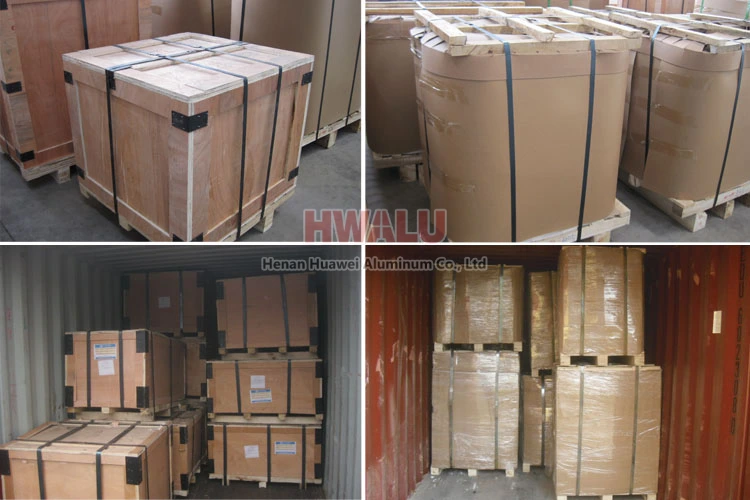
एल्यूमिनियम सर्किल निर्यात मानकों द्वारा पैक किया जा सकता है, भूरे रंग के कागज और प्लास्टिक की फिल्म के साथ कवर करना. आखिरकार, एल्यूमिनियम दौर लकड़ी के फूस / लकड़ी के मामले पर तय किया गया है.
- एल्युमिनियम सर्कल के ऊपर ड्रायर्स लगा दें, उत्पादों को सूखा और साफ रखें.
- स्वच्छ प्लास्टिक पेपर का प्रयोग करें, एल्यूमीनियम सर्कल पैक करें, सीलिंग अच्छी रखें.
- सांप की खाल के कागज का प्रयोग करें, प्लास्टिक पेपर की सतह को पैक करें, सीलिंग अच्छी रखें.
- अगला, पैकेजिंग के दो तरीके हैं: लकड़ी के फूस की पैकेजिंग का एक तरीका है, सतह को पैक करने वाले क्रस्टी पेपर का उपयोग करना; दूसरा तरीका लकड़ी के मामले की पैकेजिंग है, सतह को पैक करने वाले लकड़ी के मामले का उपयोग करना.
- आखिरकार, लकड़ी के बक्से की सतह पर स्टील की बेल्ट बिछाएं, लकड़ी के बक्से को तेज और सुरक्षित रखना.
हेनान हुआवेई एल्यूमिनियम का एल्यूमिनियम सर्कल. निर्यात मानक को पूरा करें. प्लास्टिक की फिल्म और भूरे रंग के कागज को ग्राहकों की जरूरतों पर कवर किया जा सकता है. इससे ज्यादा और क्या, डिलीवरी के दौरान उत्पादों को नुकसान से बचाने के लिए लकड़ी के मामले या लकड़ी के फूस को अपनाया जाता है. पैकेजिंग दो प्रकार की होती है, जो आंख से दीवार या आंख से आसमान की ओर हैं. ग्राहक अपनी सुविधा के लिए इनमें से किसी एक को चुन सकते हैं. आम तौर पर बोलना, वहां 2 एक पैकेज में टन, और लोड हो रहा है 18-22 1×20′ कंटेनर में टन, तथा 20-24 1×40′ कंटेनर में टन.
हमारा चयन क्यों?
समय के साथ चलने के लिए, HWALU अपनी प्रतिस्पर्धात्मकता में सुधार के लिए अत्याधुनिक उपकरण और तकनीक पेश करता रहता है. हमेशा केंद्र और ग्राहक के रूप में गुणवत्ता के व्यापार दर्शन का पालन करें, दुनिया के सभी हिस्सों में उच्चतम गुणवत्ता वाले एल्यूमीनियम डिस्क सर्कल श्रृंखला उत्पाद प्रदान करने के लिए. अधिक …

